
Planting
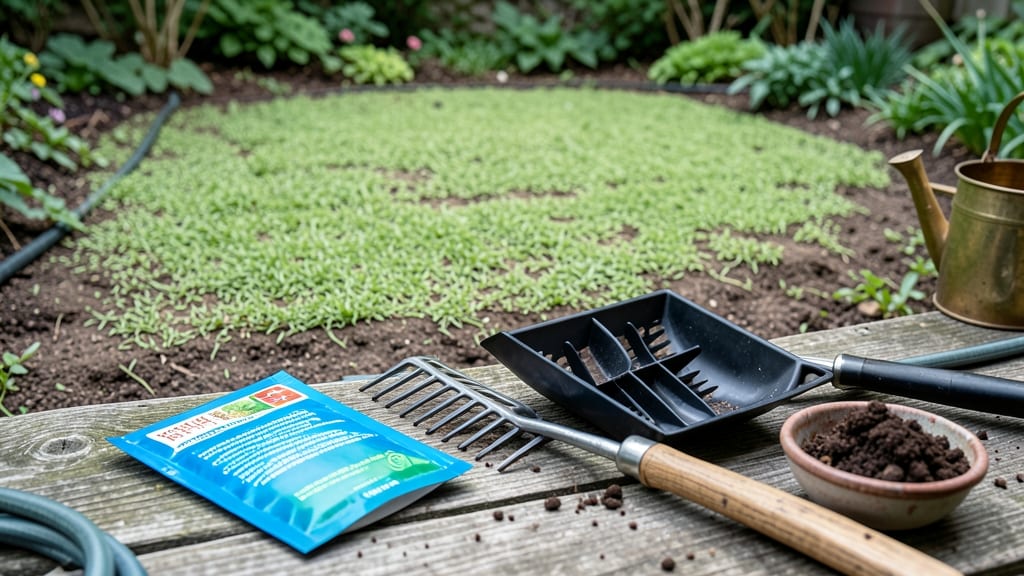
Autumn-sown lawns outperform spring starts by 30-40%—here’s why. 🌱 The cooler air and moist soil create perfect conditions for seeds to germinate without drying out or overheating, while established roots handle winter’s chill like pros.
Most people miss the window because they focus on spring, but September through early November is when pros schedule their lawn projects. The key? Soil temps between 60-75°F and consistent moisture—nature’s way of giving seeds a head start.
You’ll end up with a denser, greener lawn that crowds out weeds naturally. The roots grow deep before winter, so spring brings lush, uniform growth instead of patchy recovery. Even in drought-prone areas, autumn-sown grass handles summer heat better.
Works for cool-season grasses (like tall fescue, Kentucky bluegrass) across USDA zones 3-8. Southern gardeners can extend the window into December if rains cooperate. Let’s get those seeds in the ground!
📚 In This Guide
- What you need
- Instructions
- Tips and common mistakes
- Wrapping up and next steps
What you need
- ● Lawn seed: Choose a cool-season grass blend (e.g., Kentucky bluegrass, fescue, or ryegrass) suited to your climate. Aim for 4–8 lbs per 1,000 sq ft, depending on your grass type and soil quality.
- ● Broadcast spreader: A handheld or tow-behind model for even distribution. Adjust settings based on seed size (check manufacturer guidelines).
- ● Rake (bow or stiff-bristle): A medium-toothed rake to loosen soil and cover seed lightly (¼ inch deep).
- ○ Soil test kit: Optional but highly recommended—test pH and nutrient levels before planting. Aim for a pH of 6.0–7.0 for optimal growth.
- ● Compost or organic fertilizer: A slow-release, balanced formula (10-10-10 or similar) to amend soil. Apply ½ lb per 100 sq ft if soil is poor.
- ● Water source (hose or sprinkler): A gentle misting nozzle or soaker hose for consistent hydration.
- ○ Straw or peat moss: ¼-inch layer to protect seeds from birds and erosion (optional but helpful in windy areas).
- ● Lawn roller: Lightly compact soil after seeding to ensure seed-to-soil contact.
- ● Pre-emergent herbicide: Apply 4–6 weeks before seeding to prevent weeds (choose a selective product safe for new grass).
- ● Seed starter fertilizer: A high-phosphorus blend (e.g., 5-10-5) to boost root development.
- ● Erosion control blanket: Useful for sloped or bare areas to hold seed in place.
- ● Garden gloves & knee pads: Because comfort matters—especially when you’re on your hands and knees! 😉
Step-by-Step instructions for sowing lawn seed in autumn
Autumn’s mild temperatures and steady rains create the perfect window for establishing a lush, resilient lawn.
🌱 Step 1: Prepare the Soil for Optimal Seed Contact
Begin by mowing the existing grass as short as possible—about ½ inch—to expose the soil surface. This reduces competition and allows new seeds to make direct contact with the earth. Rake the area thoroughly with a stiff-bristled rake to remove debris, then loosen the top ½ to 1 inch of soil. The goal is to create a fine, crumbly texture that won’t compact when watered.
For bare patches or new lawns, consider renting a core aerator to pull small soil plugs. This opens channels for roots to penetrate deeply and improves water absorption. If aerating isn’t an option, use a garden fork to puncture the soil in a grid pattern, 3-4 inches apart. This mimics aeration by breaking up compacted layers without the equipment.
💧 Step 2: Apply Starter Fertilizer and Seed Evenly
Spread ½ pound of 10-10-10 starter fertilizer per 100 square feet using a broadcast spreader. Work the fertilizer into the top ¼ inch of soil with a rake, ensuring even distribution. This low-nitrogen blend promotes root development without scorching tender seedlings. I like to double-check coverage by walking the area in a grid pattern—any missed spots will show as bare patches later.
Next, sow the seed at the rate specified on the packet, typically 8-12 pounds per 1,000 square feet for cool-season grasses. Use a spreader set to its lowest setting for even distribution, then hand-scatter any missed areas. Lightly rake the seed into the soil—just enough to cover it with ¼ inch of fine soil or compost. This ensures good seed-to-soil contact while preventing burial too deep, which can delay germination.
☀️ Step 3: Water Gently and Consistently for Germination
Keep the soil uniformly moist for the first 2-3 weeks, the critical period for germination. Water lightly 2-3 times daily—just enough to dampen the top ¼ inch without creating puddles. Overwatering at this stage can dislodge seeds or cause rot. I set a timer to remind myself, as seedlings need consistent moisture but hate soggy conditions. You’ll know you’re on track when the soil feels like a damp sponge.
Once the grass reaches 2-3 inches tall, reduce watering to 1-1.5 inches per week, including rainfall. This encourages deeper root growth and prepares the lawn for winter dormancy. Avoid walking on the new grass until it’s 3-4 inches tall—trampling young seedlings can stunt their development and leave uneven patches.
✂️ Step 4: Maintain Through Fall and Prepare for Winter
After the grass reaches 3-4 inches, mow it to 3 inches using a sharp mower blade. This height protects roots from freezing temperatures and shades the soil to retain moisture. Leave grass clippings on the lawn—they decompose quickly and return nutrients to the soil. In late fall, apply a light layer of compost (about ¼ inch) to insulate the soil and improve structure as it breaks down over winter.
If your region experiences heavy snow, avoid shoveling directly onto the lawn. Instead, pile snow near the lawn and let it melt gradually. Compacted snow can smother young grass and create uneven thawing. By late winter, you’ll have a dense, resilient stand ready to green up vigorously in spring.
Tips & tricks for perfect autumn lawn establishment
Transforming your lawn this fall into a thick, vibrant carpet takes more than just tossing seed—here’s how to avoid the common pitfalls that turn hopeful patches into patchy disappointments.
Soil Prep Precision: In Step 1, when loosening that top ½ to 1 inch of soil, resist the urge to go deeper than necessary. You’re creating a seed bed, not tilling a garden—deeper disturbance can expose buried weeds or disrupt root systems of existing grass. Think of it as fluffing a pillow: just enough to create a soft landing for those tiny seeds. For compacted clay soils, work in a ¼-inch layer of coarse sand mixed with compost before seeding to improve drainage and aeration.
Fertilizer Timing: The 10-10-10 starter fertilizer in Step 2 deserves special attention. Apply it at least 2 weeks before seeding if possible—this gives the soil time to absorb nutrients without burning tender roots. I’ve seen too many lawns fail because the fertilizer was applied too close to planting. If you’re working with existing grass, mow it down to ½ inch first to prevent competition, then apply fertilizer and seed simultaneously for best results.
Watering Strategy: Those first 2-3 weeks of daily watering in Step 3 are make-or-break. I recommend setting up a gentle rain gauge or using a simple tuna can to measure your water output—you’re aiming for just enough to moisten the top ¼ inch without creating puddles. A good test: if you press your finger into the soil and feel moisture at ¼ inch depth, you’re on target. Morning watering is ideal, as it allows the soil to dry slightly during the day, reducing disease risk.
Winter Prep: When applying that final ¼-inch compost layer in Step 4, consider mixing in a handful of bone meal for extra phosphorus—this boosts root development before winter dormancy. For snowy climates, lay down a thin layer of straw (not hay) after seeding to protect young shoots from heavy snowfall. Just remember to remove it in spring before new growth emerges.
Pro Tips for Sowing Lawn Seed In Autumn
- Transforming your lawn this fall into a thick, vibrant carpet takes more than just tossing seed—here’s how to avoid the common pitfalls that turn hopeful patches into patchy disappointments.
- Soil Prep Precision: In Step 1, when loosening that top ½ to 1 inch of soil, resist the urge to go deeper than necessary.
- Fertilizer Timing: The 10-10-10 starter fertilizer in Step 2 deserves special attention.
Frequently asked questions
Got questions about sowing lawn seed in autumn? You’re not alone! Here are some of the most common queries—and their answers—to help you tackle your project with confidence.
When is the exact best time to sow lawn seed in autumn?
For cool-season grasses, aim for late summer to early fall—typically 4–6 weeks before the first hard frost (usually September to October in most U.S. regions). This gives seeds time to germinate and establish roots before winter. Check your local frost dates for precision!
How often should I water newly sown autumn lawn seed?
Keep soil consistently moist (not soggy) for the first 2–3 weeks. Water lightly but frequently—about 2–3 times daily (early morning is best) for 10–15 minutes per session. Once sprouts appear, reduce to 1 inch per week (including rain).
Can I still sow lawn seed if autumn arrives early or late?
Yes! If temperatures drop too soon (below 50°F/10°C), delay until spring. If autumn lingers warm, sow up to 6 weeks before frost. Use a lightweight row cover or frost cloth for extra protection if needed. Flexibility is key—adjust based on your local climate.
What if my lawn has weeds or bare patches—should I still sow in autumn?
Autumn is ideal for weed control because cool weather slows weed growth. Pre-treat with a non-selective herbicide (like glyphosate) 2 weeks before sowing, then overseed. For bare spots, rake lightly to loosen soil and improve seed contact. Patience pays off!
Why did my autumn-sown lawn seed fail to germinate?
Common culprits:
- Too dry or too wet soil—seeds need moisture but can rot if waterlogged.
- Poor seed-to-soil contact—rake lightly after sowing to ensure seeds touch earth.
- Birds or animals eating seeds—cover with straw or a net temporarily.
- Wrong grass type—cool-season seeds need 50–70°F (10–21°C) to sprout.
Wrapping up and next steps
Autumn is the perfect time to sow lawn seed for cool-season grasses—cooler temps, fewer weeds, and ideal moisture create the ideal conditions for a lush, resilient lawn. By following the right steps—from soil prep to proper watering and maintenance—you’ll set your yard up for successful growth and long-term beauty. 🌱
Now that you’re armed with the know-how, roll up your sleeves and get sowing! Start small if needed, but don’t wait—autumn’s window is short. Once your lawn is established, enjoy the satisfaction of a vibrant, healthy space that thrives year after year.