
Lawn
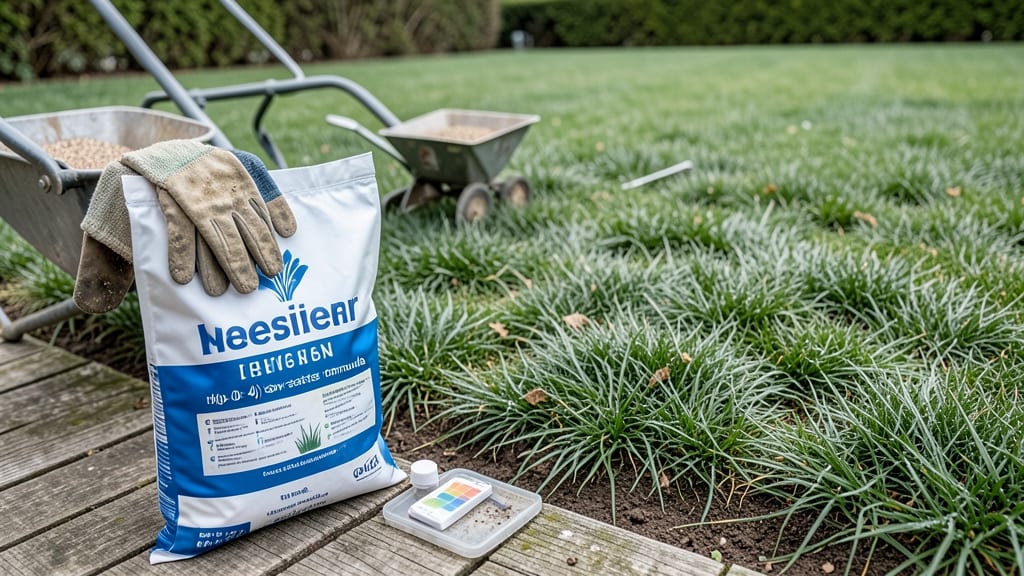
Fertilizing your lawn for winter about 4-6 weeks before the first frost gives your grass the nutrients it needs to survive dormancy and bounce back stronger in spring.
Picture this: You’ve spent all summer mowing, watering, and fighting weeds, only to wake up one November morning and realize your lawn looks like a patchwork quilt of brown and green. That’s the difference between a well-prepared lawn and one that struggles to recover.
Timing isn’t just about throwing down fertilizer—it’s about choosing the right blend and giving your grass a fighting chance against cold snaps.
Most lawns in Zone 6a (like mine) need that late-season boost between October and November, but the exact window depends on your local frost date. Skip this step, and you risk burning tender roots or wasting money on fertilizer that won’t activate before dormancy.
Get it right, though, and you’ll see greener patches come spring—sometimes even through winter’s chill.
Below, I’ll walk you through the best fertilizers for cold weather, how to tell if your lawn actually needs feeding, and the simple steps to apply it without overdoing it. No guesswork, just results.

Best time to fertilize lawn before winter: optimal late-season windows
A late-fall fertilizer application is your lawn's secret weapon against winter stress. The ideal window is 4-6 weeks before your first frost, giving grass time to absorb nutrients before dormancy. For most regions, this means October or early November, but timing shifts based on your climate zone.
Cold-hardy grasses like tall fescue and ryegrass thrive with this late-season boost, while warm-season grasses like Bermuda or Zoysia should skip it entirely. The goal? Strengthen roots so your lawn wakes up greener and stronger in spring.
Don't guess your frost date—check your local USDA hardiness zone or ask your cooperative extension service. In Zone 5, aim for mid-October, while Zone 8 can wait until early December. Always fertilize after your last mow of the season.
| Region | Ideal Fertilization Window | Grass Types | Key Tip |
|---|---|---|---|
| Northern US (Zones 3-5) | Mid-September to early October | Tall fescue, Kentucky bluegrass, ryegrass | Apply 4-6 weeks before first frost |
| Mid-Atlantic (Zones 6-7) | Late September to mid-November | Fine fescue, perennial ryegrass | Use slow-release fertilizer |
| Southern US (Zones 8-10) | October to early December | St. Augustine, Bermuda (skip winter feed) | Avoid fertilizing before winter dormancy |
| Mountain Regions (High Altitude) | Early September to mid-October | Cool-season grasses | Test soil pH before applying |
Your last mow date is your best guide—never fertilize after mowing below 2.5 inches. For cool-season grasses, this means stopping mowing by late October in most regions. Warm-season grasses should be dormant by then, so skip fertilization entirely.
Use a high-potassium fertilizer (like 10-0-20) to strengthen roots without promoting top growth. Apply when temperatures are 50-60°F for best absorption. Water deeply after application to help nutrients penetrate the soil.
Over-fertilizing before winter can lead to winter burn or excessive top growth that weakens roots. Stick to half the spring rate—about 0.5 pounds per 1,000 sq ft—and avoid nitrogen-heavy blends. Organic options like compost or bone meal work well too.
If your lawn shows yellowing or thin patches in fall, a light feeding can help. But if grass is already dormant or soil is waterlogged, wait until spring. Always aerate first if your soil is compacted to maximize nutrient absorption.
After fertilizing, monitor for fungal growth (like snow mold) if winter arrives early. Rake up thatch if it's over 0.5 inches thick to prevent moisture buildup. With the right timing, your lawn will thank you with a vibrant spring green-up.
Pro tip: Mark your calendar based on your local first frost date—it’s the ultimate deadline for winter fertilization. For most of the U.S., that’s mid-October to early November. Don’t wait until the last minute!
Winter fertilizer types: slow-release vs. organic vs. synthetic for cold weather
Choosing the right winter fertilizer can mean the difference between a lawn that struggles through dormancy and one that springs back to life vibrantly. The key lies in understanding what each type—slow-release, organic, and synthetic—brings to the table for root strength and disease resistance.
Let’s break down the options tailored for cold weather.
For cold-hardy grasses like fescue and ryegrass, winter isn’t a time to push growth—it’s about fortifying roots. That’s why high potassium fertilizers (like 10-0-10 blends) are ideal. Potassium helps grass cells regulate water and nutrients, reducing winter damage. But how do you decide between organic, synthetic, or slow-release?
⚠️ Pros & Cons: Winter Fertilizer Types
✅ Steady nutrient release over 8-12 weeks
✅ Low risk of burning dormant grass
✅ Works well in mild winters
❌ Less immediate green-up in spring
✅ Improves soil structure long-term
✅ Enhances microbe activity in soil
✅ Safe for children/pets
❌ Slower nutrient release
❌ May require larger quantities
✅ Fast-acting for immediate root fortification
✅ Precise NPK ratios (e.g., 10-0-10)
✅ Works in cold climates
❌ Risk of over-fertilization if misapplied
❌ Less soil improvement over time
If you’re in a colder climate (USDA Zones 4-6), a synthetic high-potassium fertilizer like 10-0-10 is often the best choice. It delivers quick results without pushing new growth that could freeze.
For milder winters (Zones 7-9), slow-release options or organic compost can work well, especially if you want to improve soil health over time.
Organic options like compost or bone meal are fantastic for soil structure but require more planning. Bone meal adds phosphorus for root development, while compost introduces beneficial microbes. However, these take longer to break down, so apply them 4-6 weeks before frost for best results.
For spring green-up, synthetic fertilizers win—but only if applied correctly. A light application of 1/4 lb per 100 sq ft in early fall (October-November) gives roots a boost without overloading the system. Pair this with aeration to help nutrients penetrate deeper.
Regardless of your choice, always water lightly after application to activate nutrients without shocking dormant grass. And remember: never fertilize after the first frost—your lawn’s roots need time to absorb nutrients before winter sets in.