
Lawn
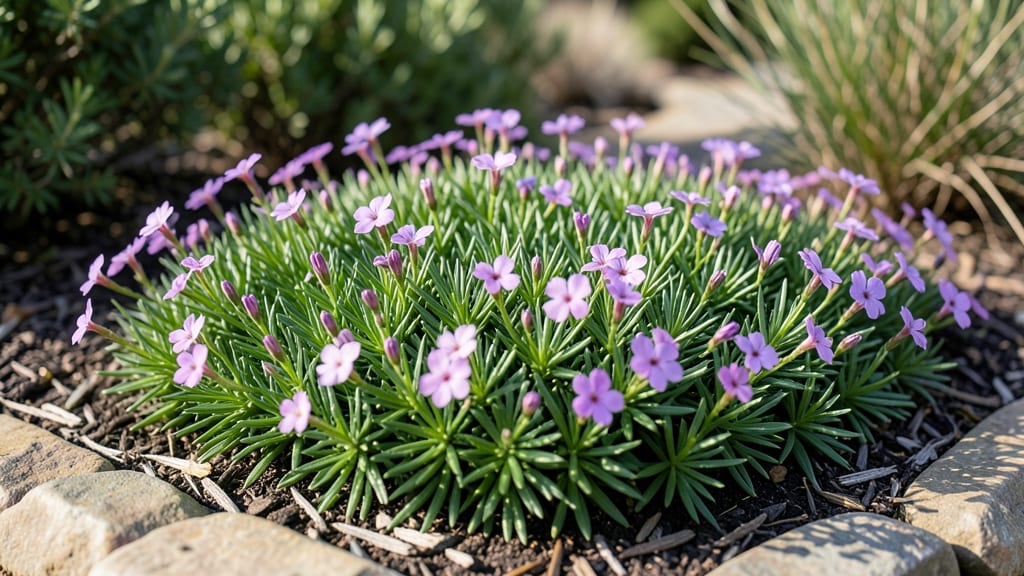
Transform your lawn into a pollinator paradise with small white and purple flowers in the grass that thrive without the upkeep. 🌸 I’ve swapped patches of dull grass for clover, creeping phlox, and wild strawberries—plants that spread effortlessly while attracting bees, butterflies, and hummingbirds all season long.
The best part? You’ll mow less, water less, and still have a lawn that looks intentional, not neglected.
These flowers aren’t just pretty—they’re tough. Creeping thyme and ajuga form dense mats that choke out weeds, while self-heal and speedwell bloom from spring to fall with almost no care.
I’ve seen lawns go from boring green rectangles to soft, textured carpets of color by simply overseeding with a mix of these perennials. Even in partial shade, they’ll outperform grass every time.
Imagine stepping onto a lawn that smells like honey on warm days and stays lush through droughts. 🌿 The key is letting them grow where they want—no perfect rows, no fuss.
By next spring, you’ll have a self-sustaining ecosystem that cuts your lawn work by half while making your yard the talk of the neighborhood. Here’s how to start small and let nature do the rest.
Perfect for sunny borders, shady edges, or even replacing entire lawns in problem areas. Whether you’re after a wildflower meadow vibe or just want to reduce mowing, these plants deliver beauty with minimal effort. Let’s get your lawn blooming!
Root Causes Of Unexpected Blooms
Those charming tiny white and purple flowers popping up in your lawn aren’t just a surprise—they’re often the result of specific environmental or lawn-care triggers. Understanding these causes helps you decide whether to embrace them as a natural accent or treat them as unwanted guests.
Here’s why they might be showing up uninvited:
Most small flowering weeds—like henbit, chickweed, or purple deadnettle—spread via lightweight seeds carried by wind, water, or even passing animals.
If your neighbors’ lawns, gardens, or wild areas host these plants, their seeds can easily hitch a ride to your yard. Wind patterns play a huge role: open spaces, hills, or areas with frequent breezes increase the chances of seed dispersal.
Actionable insight: If you notice these flowers clustering near property lines or fences, the source is likely external. Preventative measures (like dense ground covers or barriers) can reduce seed infiltration.
Many of these flowers thrive in cool, moist springs or mild autumns—times when lawns are still recovering from winter or summer stress. Species like creeping charlie (ground ivy) or clover germinate best when temperatures hover between 50–70°F (10–21°C), and soil moisture is high.
Drought or heat stress in your lawn can also create gaps where these opportunistic plants take root.
Key triggers:
- ✅ Recent rain or irrigation that softens soil for seed germination
- ✅ Overcast skies slowing grass growth and leaving bare spots
- ✅ Thin or patchy turf from poor mowing, disease, or foot traffic
💡 Pro tip: If your lawn is already struggling with dollar spots or brown patch, these flowers may be filling the void. Address the root cause (e.g., fungal treatment, aeration) to crowd them out naturally.
Compacted, nutrient-poor soil creates the perfect conditions for weeds to flourish. When grass struggles to establish deep roots due to high foot traffic, heavy machinery, or clay-heavy soil, it leaves room for fast-growing flowers like dandelions or violet wood sorrel.
Additionally, imbalanced pH levels (especially low pH) can weaken turfgrass, making it easier for these plants to invade.
Signs your soil may be the culprit:
- 🔹 Grass feels spongy when walked on (compaction)
- 🔹 Yellowing or stunted grass despite regular watering
- 🔹 Soil tests reveal low organic matter or high thatch
🌡️ Fix it: Core aeration + compost top-dressing can restore soil structure and give grass the competitive edge it needs.
Using high-nitrogen fertilizers (especially in late summer or fall) can burn grass while leaving weeds like henbit or purple loosestrife unharmed. Some broadleaf weeds actually thrive on excess nitrogen, while your lawn becomes stressed.
Similarly, herbicide misuse (e.g., applying pre-emergent too late or using post-emergent that misses target weeds) can leave gaps for flowers to fill.
Common mistakes:
- ❌ Fertilizing when grass is dormant (winter or extreme heat)
- ❌ Skipping soil tests before applying amendments
- ❌ Using weed-and-feed products that don’t target flowering weeds
✨ Smart swap: Opt for slow-release, organic fertilizers (like milorganite) that feed soil microbes, which in turn support healthier grass roots.
Now that you know why these flowers appear, the next step is deciding how to manage them—whether that means letting them stay for color or eradicating them for a cleaner lawn. The choice is yours!
Quick Fixes for Unwanted Blooms
Discovering small white and purple flowers popping up in your lawn can be frustrating—especially if you didn’t plant them! The good news? Most of these blooms are easy to manage with the right approach.
Below, we’ll break down the most common causes and provide practical, step-by-step solutions to keep your lawn looking intentional (and weed-free).
If your lawn is dotted with tiny white and purple blooms like clover or dandelion look-alikes, these hardy plants thrive in thin grass or compacted soil. Here’s how to tackle them:
🔥 Pull Them by Hand (Best for Small Patches)
- 👩🌾 When to do it: Early morning or after rain (soil is softer).
- 🍳 How to do it:
- Grab flowers at the base and pull upward—aim for the entire root.
- For stubborn clover, use a weed-pulling tool or a butter knife to dig deeper.
- 🌡️ Pro Tip: Wear gloves to avoid skin irritation from sap (especially with clover).
🔪 Spot-Treat with Vinegar (Organic Option)
- 👨🍳 Mix: 1 gallon white vinegar + 1 oz. dish soap (helps stick to leaves).
- ⏰ Apply: Spray directly on leaves (avoid grass—vinegar kills everything).
- ✨ Wait: Reapply every 3–5 days until flowers die back.
🌱 Prevent Future Growth
- 💡 Mow higher (3–4 inches) to shade out weeds.
- 🎯 Overseed bare spots with grass seed in fall for denser coverage.
These low-growing weeds with tiny purple flowers spread aggressively. They love moist, shady lawns and can return yearly if not controlled.
🔥 Pre-Emergent Herbicide (Early Spring)
- 👩🌾 When: Apply in early spring (before weeds sprout).
- 🍳 How: Use a corn gluten meal (natural pre-emergent) or a synthetic like prodiamine.
- 🌡️ Pro Tip: Water lightly after application to activate it.
🔪 Post-Emergent Control (For Existing Weeds)
- 👨🍳 Spray: Use a selective herbicide like 2,4-D or triclopyr (follow label rates).
- ⏰ Timing: Apply when weeds are actively growing (spring/fall).
- ✨ Caution: Avoid spraying on windy days to protect nearby plants.
🌱 Long-Term Prevention
- 💡 Improve drainage—these weeds love soggy soil.
- 🎯 Aerate compacted lawns in fall to reduce their foothold.
If your lawn has purposefully planted small flowers (like ajuga or creeping phlox) spreading beyond their borders, they’re not weeds—they’re just too enthusiastic!
🔥 Trim Back Aggressively
- 👩🌾 When: After flowering (late spring/early summer).
- 🍳 How: Use sharp shears to cut back stems by ⅓ to control spread.
- 🌡️ Pro Tip: Wear knee pads—this is a hands-on job!
🔪 Mulch Heavily
- 👨🍳 Apply: A thick layer of wood chips or straw around the plant’s base.
- ⏰ Effect: Blocks sunlight to roots, slowing growth.
🌱 Designate a "Wildflower Zone"
- 💡 Idea: Let them thrive in a flower bed instead of the lawn.
- 🎯 Bonus: Adds pollinator-friendly color without the chaos!
Not a fan of herbicides? Try these natural methods:
- 🌿 Saltwater spray: Mix 1 gallon water + 1 cup salt. Spray directly on weeds (avoid grass!).
- 🍋 Lemon juice: Soak a rag in lemon juice, place on weeds, and cover with plastic for 24 hours.
- 🌱 Cornmeal: Sprinkle corn gluten meal as a pre-emergent (also fertilizes soil).
Remember: Consistency is key! Weeds and wildflowers return if you don’t address the root cause (pun intended). Start with one method, monitor progress, and adjust as needed. Soon, your lawn will be the picture of intentional beauty—not an accidental garden!
Frequently asked questions
Are small white and purple flowers in my lawn always weeds?
Not necessarily! Many of these flowers are beneficial plants like clover, creeping phlox, or wild strawberries that improve soil health and attract pollinators. Only consider them weeds if they're unwanted in your specific lawn design. Always check before pulling—some may be native wildflowers supporting local ecosystems.
Will these flowers spread uncontrollably if I leave them?
Some will spread naturally, especially aggressive ground covers like ajuga or creeping charlie. However, most stay contained in 3-6 inches of growth. To manage spread, trim back after flowering or designate a "wildflower zone" where they can grow freely without taking over your entire lawn.
Can I still have a green lawn with these flowers?
These flowers thrive in partial shade and thin grass areas, so they won't completely replace your lawn. Mow at 3-4 inches to shade out weeds while maintaining grass coverage. Many homeowners intentionally mix these flowers with grass for a low-maintenance, pollinator-friendly look.
Are there any toxic varieties I should avoid?
Most small white and purple lawn flowers are safe, but foxglove and lobelia can be toxic if ingested. Always verify plant identification before allowing children or pets near them. When in doubt, stick to common varieties like wild violet or self-heal, which are non-toxic and safe for gardens.
How do I know if my lawn needs help or if these flowers are beneficial?
Healthy lawns with these flowers often have better soil structure and fewer pests than monoculture grass. Look for signs of stress in your grass (yellowing, thin patches) - if present, these flowers may be filling ecological niches. If your lawn looks vibrant, consider keeping them as part of your natural landscape!