
Lawn
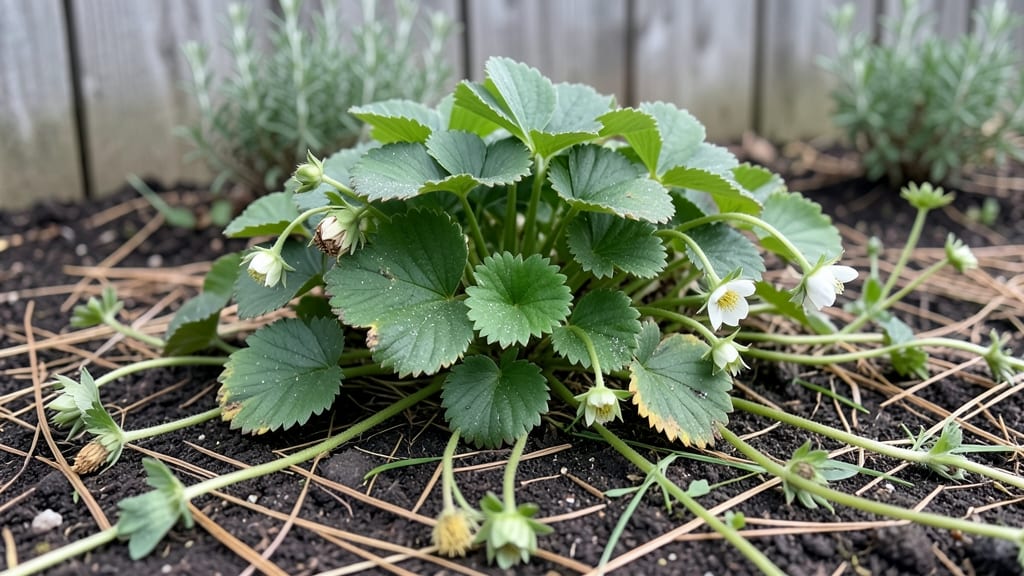
Stop runners in grass from turning your lawn into an unruly jungle. 🌱 I’ve spent years battling creeping plants that refuse to stay in their place—until I discovered these permanent natural barriers that actually work.
The key isn’t brute force; it’s smart placement and the right materials to smother or redirect those stubborn runners for good.
Most runners—like Bermuda grass or strawberries—spread because they find weak spots in your lawn. A simple trench filled with cardboard, landscape fabric, or even thick mulch can create an invisible line they won’t cross.
The trick is depth: at least 4 inches to block roots completely. For stubborn spreaders, a metal edging buried 6 inches deep is the ultimate game-changer.
Once installed, these barriers stay effective for years, not seasons. Your lawn will look cleaner, grow thicker, and you’ll finally stop wasting time yanking up regrowth. The best part? No chemicals, no messy sprays—just a one-time fix that saves you hours of frustration every summer.
Works for any grass type, from cool-season fescue to aggressive Bermuda. Whether you’re dealing with a small patch or a whole yard, these methods scale without breaking the bank. Let’s get those runners contained for good.
Hidden Grass Hazards That Halt Runners
When you see runners suddenly stop or slow down on grassy surfaces, it’s rarely just because they’re admiring the scenery. 🌱🏃♂️ The truth is often hidden beneath your feet—or in the grass itself. Here’s why runners hit invisible walls and how these natural barriers turn lush lawns into speed-killing traps.
Uneven terrain and root obstacles 🌳💥
Grass isn’t just a soft carpet—it’s a living, shifting landscape with hidden dangers. Beneath the surface, grass roots, buried rocks, and uneven soil compaction create a maze of tripwires for runners.
When you stride across a lawn, your foot may sink into a soft spot, trip over a raised root, or hit a hard patch where the soil is compacted.
- Root systems: Grass roots (especially in thick, mature lawns) can tangle like spiderwebs. Fast runners often catch their toes or ankles on these underground snares, forcing abrupt stops or awkward pivots.
- Soil erosion: Areas with heavy foot traffic (like park paths or golf fairways) develop ruts or depressions. These low spots disrupt your stride, throwing off balance and momentum.
- Buried debris: Sticks, acorns, or even discarded trash (like bottle caps or plastic) can lurk just beneath the surface, acting like landmines for runners.
Actionable fix: Scan your path 2–3 feet ahead for color changes (darker patches often signal compacted soil) or tufts of grass sticking up (root warnings). If running on maintained grass (like a park trail), stick to widely trodden paths where hazards are more likely to be flattened.
Slippery or waterlogged surfaces 💦👟
Grass isn’t just soft—it can be slippery as an ice rink when conditions are right. Moisture is the silent speed-killer, turning a sprint into a skid. Here’s why:
| Cause | Why It Slows Runners |
|---|---|
| Morning dew | Grass blades cling together, creating a suction-cup effect that resists forward motion. Your shoes may stick instead of propelling you. |
| Recent rain | Water pools in micro-depressions, turning grass into a slippery, uneven surface. Your footing becomes unpredictable, forcing cautious steps. |
| Overwatered lawns | Saturated soil loses traction, making it feel like running on a sponge. Your cleats (or even bare feet) struggle to grip. |
Actionable fix:
- Run on dry grass—avoid mornings or after rain. Test with your hand: if it feels damp, wait 2+ hours for evaporation.
- Wear trail shoes with deep lugs (like Vibram soles) for grip on slick surfaces.
- Opt for firm, well-drained grass (e.g., athletic fields) over soggy backyards or parks.
Grass blade resistance 🌿🛑
Ever notice how running through tall grass feels like pushing through a forest? That’s not just imagination—it’s physical resistance. Grass blades aren’t passive; they bend, tangle, and slow you down in ways you might not expect.
- Blade friction: Each step displaces grass, creating drag similar to swimming through water. Studies show tall grass can increase energy expenditure by 10–20% compared to running on pavement.
- Ankle tangles: Long grass wraps around ankles or shins, restricting movement and forcing shorter, slower strides.
- Visibility loss: Overgrown grass hides hidden dips, rocks, or animal holes, forcing runners to slow down to avoid injuries.
Actionable fix:
- Mow or trim grass before running (aim for 2–3 inches tall—short enough to avoid resistance, tall enough to protect roots).
- Run on compacted or worn paths where grass is naturally flattened.
- Wear lightweight, breathable pants (like running tights) to reduce blade snags on legs.
Chemical and allergic reactions 🧪🤧
Not all grass-related slowdowns are physical—some are chemical battles your body wages unseen. Certain grasses, fertilizers, and even pollen can turn a run into a toxic marathon.
- Poison ivy/oak: These plants (often disguised as harmless vines or ground cover) release urushiol oil, causing itchy rashes that distract runners mid-stride.
- Fertilizer burns: Over-fertilized grass releases ammonia or nitrogen fumes, which can irritate lungs and trigger coughing or wheezing—forcing slower, controlled breaths.
- Grass allergies: Pollen from grasses like ryegrass or Bermuda can cause sinus congestion or watery eyes, making it hard to focus on form.
Actionable fix:
- Identify allergy triggers—run in areas with low-pollen grasses (e.g., fescue over Bermuda in peak pollen season).
- Wear long sleeves/pants and use antihistamines 30 mins before runs if prone to reactions.
- Avoid running right after lawn treatments (fertilizer, herbicide). Check local schedules—many pros apply chemicals early morning.
Pro tip: 💡 If you’re a serious runner, map your grass routes ahead of time. Note areas with hardpan soil (fast but unforgiving), soft patches (energy drains), and hazard zones (roots, debris). Treat grass like a tactical course—respect its rules, and it won’t slow you down.
Quick Fixes for Stubborn Grass Runners
Tired of seeing those pesky runners in your grass? Whether it’s creeping vines, aggressive weeds, or stubborn ground covers, the good news is that most of these intruders can be stopped with the right approach.
Below, we’ve mapped out practical solutions based on the most common causes—so you can reclaim your lawn without breaking a sweat.
🌱 Overgrown Vines or Creepers (e.g., Clover, Wild Violet, or Bindweed)
If your grass is being choked by vines that spread relentlessly, manual removal and smarter lawn care are your best bets.
🔪 Step-by-Step Removal
- Pull When Soil is Damp – Wait for a rainy day or water the area thoroughly. Wet soil makes roots easier to extract.
- Grab the Base – Use gloves and grasp the vine as close to the root as possible. A weeding tool or garden fork helps for deep roots.
- Repeat Weekly – Vines regrow fast! Check the area every 5–7 days to catch new sprouts early.
- Solarize Stubborn Spots – For thick mats (like bindweed), lay clear plastic sheeting over the area for 4–6 weeks in hot sun. This bakes the roots.
🌡️ Prevention Tips
- Mow High – Keep grass at 3–4 inches to shade out weeds.
- Improve Soil Health – Test your soil and amend with compost to crowd out weak competitors.
- Natural Mulch – Spread a thin layer of straw or wood chips to block sunlight from weed seeds.
🌿 Aggressive Weeds (e.g., Crabgrass, Dandelions, or Nutsedge)
Weeds thrive where grass struggles. The key is starving them out and giving your lawn a competitive edge.
💡 Chemical-Free Control Methods
- Hand-Pull or Dig – For deep-rooted weeds like dandelions, use a dandelion digger or a screwdriver to loosen the taproot.
- Vinegar Spray – Mix 1 gallon of white vinegar, 1 oz. dish soap, and 2 tbsp. salt. Spray directly on leaves (avoid desirable plants—it’s non-selective!).
- Corn Gluten Meal – Apply in early spring to prevent weed seeds from germinating (works best in new lawns).
🎯 Long-Term Lawn Strengthening
- Reseed Bare Spots – Fill thin areas with a shade-tolerant grass seed blend.
- Adjust Watering – Water deeply 1–2 times per week (early morning) to encourage deep roots that outcompete weeds.
- Pre-Emergent Herbicide (Optional) – Apply in early spring to block weed seeds (follow label instructions carefully).
🏡 Hardscape or Structural Barriers (e.g., Sidewalks, Driveways, or Fences)
When runners spread because of physical barriers, redirect their growth with simple landscaping tweaks.
🛠️ Physical Barrier Solutions
- Edging Tools – Use a half-moon edger to create a clean border between grass and pavement, preventing encroachment.
- Landscape Fabric + Mulch – Install fabric under mulch or gravel along edges to block roots from infiltrating cracks.
- Root Barriers – For stubborn invaders (like bamboo), bury a metal or plastic barrier 12–18 inches deep along property lines.
🌿 Alternative Ground Covers
- Replace Problem Areas – Swap invasive runners with clover, creeping thyme, or moss for a low-maintenance, weed-resistant look.
- Plant Perennials – Border edges with ornamental grasses or shrubs that naturally suppress weeds.
🐛 Soil or Pest-Related Spread (e.g., Grubs, Moles, or Gophers)
If runners are spreading because pests are damaging your lawn, address the root cause first.
🐜 Pest Control Strategies
- Identify the Culprit – Look for molehills, chewed grass, or tunnels. Grubs leave behind irregular patches, while gophers create raised mounds.
- Natural Repellents – Sprinkle diatomaceous earth or castor oil-based sprays around affected areas.
- Encourage Predators – Attract birds (mole eaters) or beneficial nematodes to control grubs naturally.
💪 Lawn Recovery Steps
- Aerate and Overseed – Repair damaged areas to restore a thick turf that pests avoid.
- Reduce Watering – Overwatering attracts grubs; stick to 1 inch per week.
With these targeted fixes, you’ll see a noticeable difference in just a few weeks. The secret? Consistency. Stay vigilant, and your lawn will thank you with lush, runner-free green for years to come!
Frequently asked questions
What are the most common types of runners in grass?
Most lawn runners include creeping grasses like Bermuda or Zoysia, aggressive weeds such as crabgrass or nutsedge, and spreading ground covers like clover or wild violets. These plants use stolons (horizontal stems) or rhizomes (underground stems) to invade your lawn, often through bare patches or weak turf.
How deep should I bury barriers to stop runners?
For most runners, bury barriers at least 4 inches deep—deeper for aggressive spreaders like Bermuda grass (6+ inches). Use metal edging, plastic sheets, or thick cardboard layered with landscape fabric. The deeper the barrier, the longer it lasts before runners find weak spots.
Will vinegar or salt kill runners permanently?
Vinegar (1 gallon + 1 oz. dish soap) and salt (2 tbsp. per gallon) can kill runners on contact, but they’re non-selective—so avoid spraying desirable grass. For permanent results, combine spot treatments with barriers or mulch to block regrowth. Repeat applications may be needed for deep-rooted plants like bindweed.
Can I use mulch to stop runners instead of barriers?
Mulch alone won’t block runners like a physical barrier, but a 4-inch layer of wood chips or straw can smother new growth over time. For best results, pair mulch with edging or landscape fabric to create a dual defense. Mulch works best in garden beds, not dense lawns.
How long until I see results after installing barriers?
Most runners stop spreading within 2–4 weeks after barrier installation, but stubborn types (like Bermuda) may take up to 3 months to fully contain. Monitor edges and remove any new shoots that appear. Consistency is key—check barriers seasonally for gaps or damage.