
Pruning
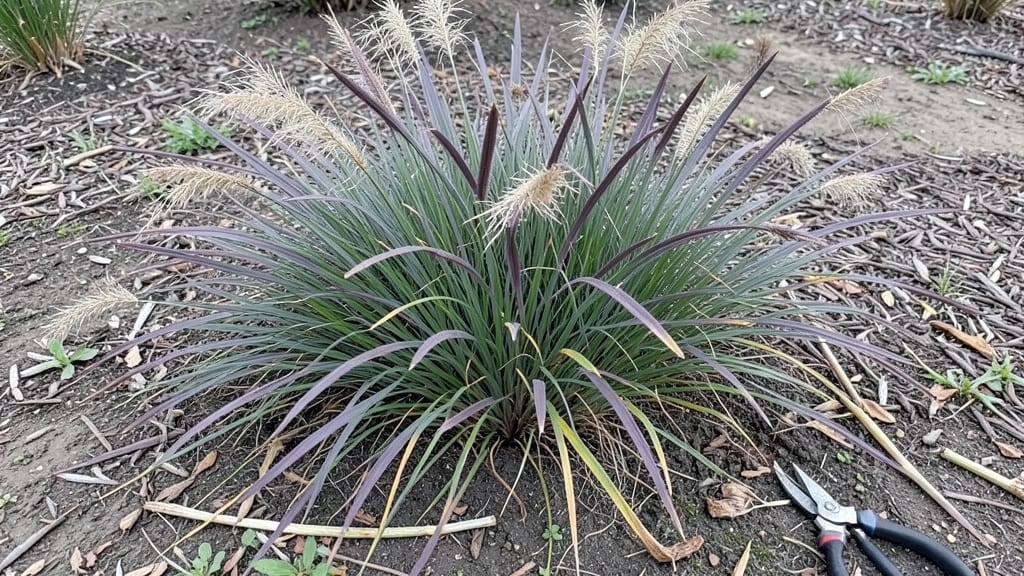
Pruning purple fountain grass in late winter transforms it from a tattered mess into a showstopping fountain of purple plumes by summer. 🌿 I’ve learned the hard way—skipping this step means leggy, sparse growth that never lives up to its name.
The key is timing, technique, and knowing exactly how much to cut without stunting new growth.
You’ll need sharp pruners, gloves, and a clear morning to work—fresh cuts heal faster in cool air. Start by removing any dead or brown foliage at the base, then trim back the entire plant by one-third to one-half of its height.
This encourages bushier regrowth while keeping the iconic fountain shape intact.
Within weeks, you’ll see new shoots pushing through the soil, and by early summer, your grass will be denser, fuller, and more vibrant than ever. The secret?
Prune just before new growth begins—never in fall, and never more than halfway. Over-pruning stresses the plant and delays the stunning purple blooms everyone loves.
This method works year after year, even in hot climates where fountain grass can get woody. Just repeat the process annually, and your purple fountain will become the neighborhood’s most talked-about plant. Ready to give it the trim it deserves?
📚 In This Guide
- What you need
- Instructions
- Tips and common mistakes
- Wrapping up and next steps
What you need
- ● Pruning shears or hedge clippers – Choose sharp, bypass-style shears (8–10 inches) for clean cuts. Avoid dull blades that crush stems.
- ● Heavy-duty gloves – Opt for garden gloves with reinforced palms to protect against sharp edges and thorns.
- ○ Pruning saw (optional but helpful) – For thicker, woody stems (if your grass is mature or overgrown). A curved-tooth saw prevents tearing.
- ● Rake or leaf blower – To clear debris after trimming. A stiff-bristle rake works best for thick clippings.
- ● Garden twine or string – For marking areas if you’re shaping the grass into a specific design.
- ● Disinfectant (rubbing alcohol or bleach solution) – Clean tools between cuts to prevent disease spread.
- ● Choose the right season – Prune in late winter or early spring (before new growth) or after flowering in fall.
- ● Check the weather – Avoid pruning on windy or rainy days to prevent stress on the plant.
- ● Wear safety gear – Sunglasses (to shield from debris) and closed-toe shoes are a must.
- ● Have a compost bin or bag – For disposing of clippings (unless your grass is diseased—then dispose of them in the trash).
How to prune purple fountain grass for full, lush growth
Here's my go-to method for keeping your ornamental grass looking vibrant year after year.
🌿 Step 1: Time Your First Cut for Late Winter Dormancy
Wait until the grass has gone completely dormant in late winter—typically February or early March in most climates—before making your first cut. You'll know it's ready when the foliage looks crispy and brown, not green. This timing ensures you're removing last year's dead growth while leaving next season's new shoots untouched.
Use sharp pruners or a clean pair of hedge shears to cut back the entire plant to within 2-3 inches of the ground. This drastic trim might look harsh, but it stimulates fresh growth from the base. I always wear gloves—those sharp leaf edges can be surprisingly prickly when dry. Never skip this step; skipping it leads to a leggy, sparse look by summer.
✂️ Step 2: Summer Maintenance Trimming for Shape and Airflow
Once new growth appears in spring, you'll notice fresh green shoots emerging from the base. Wait until these reach 6-8 inches tall before doing any summer trimming. This ensures you're not cutting off too much of the plant's energy source too early.
Use your shears to trim back any straggly stems or overgrown sections, cutting at a 45-degree angle just above a leaf node. This angled cut prevents water from pooling on the cut surface. I focus on shaping the plant while leaving the center intact—this encourages a fuller, bushier appearance. Avoid cutting more than one-third of the plant's height at once to prevent stress.
🌱 Step 3: Fall Cleanup Before Dormancy Sets In
In late fall, after the first hard frost but before the ground freezes, give your purple fountain grass one final trim. Cut back the entire plant to about 4-6 inches tall, removing all dead or discolored foliage. This cleanup prevents pests from overwintering in dead growth and makes spring cleanup easier.
I like to rake up and dispose of all the trimmed material—don't compost it if you suspect disease or pest issues. The remaining stubble provides some winter protection for the crown while still allowing sunlight to reach the base. This is also the perfect time to check for any signs of disease or pests, like brown spots or chewed edges, that might need treatment before winter.
⏰ Step 4: Optional Light Pruning Throughout the Growing Season
If your purple fountain grass starts looking too leggy or sparse during the growing season, you can do light maintenance trims. Simply cut back any stems that are growing too long or are out of place, focusing on maintaining the plant's natural shape. I usually do this in late spring or early summer when the plant is actively growing.
For a more dramatic look, you can also thin out the center of the plant by removing a few of the oldest stems. This encourages new growth from the base and helps prevent the plant from becoming too dense. Just be careful not to remove too much at once—purple fountain grass is resilient, but it can take a while to recover from heavy pruning.
Tips & tricks for perfect purple fountain grass pruning
Don't let your ornamental grass turn into a wild, unruly mess—these key strategies will keep it looking lush and vibrant all season long.
Timing is Everything: The February/March dormant cut in Step 1 is non-negotiable for healthy regrowth. If you're in a warmer climate where winter dormancy doesn't occur, wait until you see crispy brown foliage—this tells you the plant has completed its growth cycle. I've seen people prune too early when there's still green growth, and it leads to a sparse, leggy plant by summer. The 2-3 inch height guideline isn't arbitrary—it leaves enough energy reserves for the plant to bounce back strong.
Tool Selection Matters: Sharp pruners are your best friend for clean cuts that heal properly. I've tried hedge shears for larger plants and they work well, but for smaller clumps, hand pruners give you more control. Always clean your tools between cuts to prevent spreading any potential diseases. And trust me on this—those sharp leaf edges are no joke! I learned the hard way after getting tiny but painful cuts all over my hands when I skipped the gloves during my first winter pruning.
Visual Cues for Summer Trimming: When your new spring shoots reach 6-8 inches tall (about knee-high for most people), that's your cue for summer maintenance. Look for the plant to have at least 3-4 fresh green leaves before trimming—this ensures you're not cutting back too aggressively. The 45-degree angle cut might seem fussy, but it really does prevent water from pooling on the stem, which can lead to rot. I mark my shears with a piece of tape to help maintain that angle consistently.
Fall Cleanup Strategy: The 4-6 inch fall trim serves two purposes: removing dead growth and preparing for winter. I always do this after the first hard frost but before ground freeze—this timing window is crucial. If you wait too long, the plant may already be stressed from winter conditions. For larger clumps, I work in sections to avoid overstressing the plant all at once. The remaining stubble acts like a natural mulch, protecting the crown while still allowing light penetration for early spring growth.
Pro Tips for Purple Fountain Grass Pruning
- Don't let your ornamental grass turn into a wild, unruly mess—these key strategies will keep it looking lush and vibrant all season long.
- Timing is Everything: The February/March dormant cut in Step 1 is non-negotiable for healthy regrowth.
- Tool Selection Matters: Sharp pruners are your best friend for clean cuts that heal properly.
Frequently asked questions
Got questions about keeping your Purple Fountain Grass looking its best? Here are some common ones—and their answers!
When is the best time to prune Purple Fountain Grass?
The ideal time is late winter or early spring, just before new growth begins. This helps remove dead foliage and encourages fresh, vibrant shoots. Avoid pruning in fall, as the grass needs its old leaves to protect the crown over winter.
How much should I cut back Purple Fountain Grass?
Trim back the grass by about one-third to one-half of its height. For most varieties, this means cutting down to 6–12 inches tall. Never cut into the hard, woody base—this can harm the plant. Use sharp shears or a string trimmer for clean cuts.
What if my Purple Fountain Grass looks brown and dead after pruning?
Don’t panic! The grass may look rough for a few weeks, but new growth should emerge within 4–6 weeks if pruned correctly. If it stays brown, check for over-pruning (cutting too low) or underwatering. Adjust care and monitor progress.
Can I prune Purple Fountain Grass in summer?
Summer pruning is possible, but it’s not ideal. If you must, do it in early summer (June) to avoid stressing the plant during peak heat. Focus on removing only dead or damaged sections—avoid heavy cuts, which can stunt growth.
What’s the difference between pruning and dividing Purple Fountain Grass?
Pruning is about removing dead or overgrown foliage to shape the plant, while dividing is splitting the root ball to rejuvenate or propagate it. Divide every 3–4 years in early spring. Pruning is yearly maintenance; dividing is a deeper, less frequent task.
Pro Tip: Fertilize after pruning!
Apply a balanced, slow-release fertilizer (like 10-10-10) after trimming to give your Purple Fountain Grass a nutrient boost for the growing season. This helps it bounce back faster and grow fuller.
Wrapping up and next steps
Pruning your purple fountain grass doesn’t have to be intimidating—just a little seasonal care goes a long way! By following the right techniques, you’ll encourage lush, vibrant growth and keep your yard looking its best.
Whether you’re trimming back dead fronds in winter or shaping it in spring, consistency is key.
Now that you’re armed with the know-how, grab those shears and get pruning! 🌿 With each cut, you’re not just tidying up—you’re investing in a healthier, more stunning plant. Happy trimming!