
Lawn
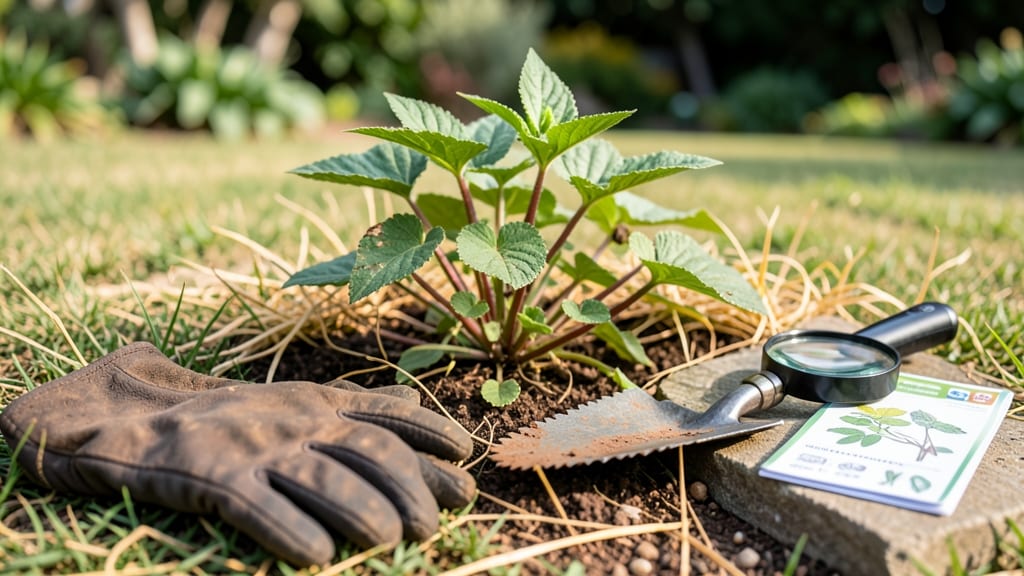
Pigweed in lawns spreads like a stubborn weed invasion—until you hit it with the right acid-based treatment. 🌱 I’ve battled these deep-rooted weeds for years, and the 24-hour kill method finally worked where vinegar and manual pulling failed.
The secret isn’t brute force; it’s timing, precision, and the right formula to dissolve those thick stems without harming your grass.
Most people waste time on half-measures like pulling or mowing, which just fragments the roots and spreads the problem. This method targets the weed’s vascular system, so you see results in hours—not weeks.
You’ll need a 10-20% acetic acid solution (household vinegar won’t cut it), a spray bottle, and a cloudy day to avoid burning your lawn. The key is patience: wait until weeds are actively growing, then apply the solution directly to the leaves at dawn or dusk.
By morning, the pigweed will wilt and turn brown, and within 24 hours, the roots will decompose enough to pull out by hand. Your lawn stays green, the weeds disappear, and you avoid the regrowth that comes from incomplete removal.
The best part? This works on all types of pigweed, from the common redroot to the aggressive tropical species, without leaving toxic residue for pets or kids.
For long-term control, focus on dense grass growth—thick turf blocks sunlight, which pigweed needs to sprout. Overseed bare spots in spring, keep your mower blade sharp, and apply a pre-emergent in early spring to stop new seeds from germinating.
It’s not a one-time fix, but with this method, you’ll reclaim your lawn faster than you thought possible.
Root Causes of Lawn Invaders
Pigweed thriving in your lawn isn’t just a random annoyance—it’s a sign your turf is sending out an open invitation. Understanding the why behind its persistence is the first step to reclaiming your green space. Let’s dig into the science and uncover the real reasons this tenacious weed takes over.
Pigweed (especially redroot pigweed and palmer amaranth) is a master of survival, thriving where grass struggles. Here’s how your soil might be unknowingly feeding it:
- Compacted or Clay-Heavy Soil 🏗️
- Heavy foot traffic, construction, or natural soil composition can create a dense, waterlogged layer that suffocates grass roots but leaves gaps for pigweed to exploit.
- Why? Pigweed’s shallow, fibrous roots spread aggressively in loose or disturbed soil, while grass struggles to penetrate compacted zones.
- Actionable fix: Aerate your lawn in spring or fall to break up compaction and improve water/air circulation.
- Nutrient Imbalance (Too Much Nitrogen, Not Enough Micronutrients) 🧪 - Fast-growing pigweed loves high-nitrogen environments, especially if your lawn lacks phosphorus, potassium, or micronutrients like iron or zinc. - Why? Grass needs a balanced diet to outcompete weeds.
If your soil is nitrogen-rich but deficient in other nutrients, pigweed wins by growing 3–4 inches per week (vs. grass’s 1 inch). - Actionable fix: Test your soil (DIY kits or lab tests) and amend with compost, bone meal, or a slow-release fertilizer like 10-10-10.
- Low Organic Matter = Weak Grass 🍂 - Pigweed thrives in sandy or depleted soils because it’s adapted to low-fertility conditions.
Grass, however, needs 2–5% organic matter to stay thick. - Why? Organic matter (like decomposed leaves or compost) improves water retention and microbial activity—both critical for grass health. - Actionable fix: Top-dress with 1–2 inches of compost annually or use a mycorrhizal fungus to boost root growth.
Water is the ultimate decider in the grass vs. pigweed battle. Here’s how you might be accidentally helping the weeds:
- Overwatering or Inconsistent Watering 💦🌧️ - Pigweed germinates best in moist soil and can survive drought-like conditions once established. Overwatering keeps the soil perpetually damp, signaling pigweed to sprout en masse. - Why? Seeds lie dormant until soil moisture triggers germination.
A single deep watering can wake up hundreds of seeds in just 24 hours. - Actionable fix: - Water deeply 2–3 times per week (early morning) instead of daily light sprinkles. - Use a rain sensor or smart sprinkler to avoid overwatering.
- Poor Drainage = Weed Hotspot 🚰 - Low spots or clay soils that hold water create perfect pigweed nurseries.
These weeds love standing water (up to 24 hours) but hate soggy roots long-term. - Why? While pigweed tolerates wet conditions, grass roots rot in waterlogged soil, leaving bare patches for weeds to invade. - Actionable fix: - Rake out low areas and add sand or compost to improve drainage. - Install French drains if water pools after rain.
Even the best-maintained lawns can fall prey to pigweed if one critical step is missed:
- Thin or Patchy Grass 🌱❌
- Bare spots from disease, pet urine, or foot traffic create open space where pigweed seeds (which can lie dormant for years) germinate.
- Why? A dense lawn blocks sunlight (pigweed needs full sun to thrive), but thin grass lets weeds steal the show.
- Actionable fix:
- Overseed in early fall with a shade-tolerant grass mix (if needed).
- Fill bare patches with sod or hydroseed for instant coverage.
- Late Mowing or Scalping ✂️🔥 - Cutting grass too short (below 2–3 inches) stresses it and exposes soil to sunlight—pigweed’s favorite growing condition. - Why? Pigweed seeds need light to germinate.
Tall grass shades them out, but scalping creates the perfect trigger. - Actionable fix: - Mow at 3–4 inches and never remove more than ⅓ of the blade in one cut. - Mulch clippings to return nutrients to the soil.
- Skipping Pre-Emergent Herbicides 🚫🌱 - Pigweed seeds germinate spring and fall (when soil temps are 50–90°F).
Without a pre-emergent barrier, they sprout unchecked. - Why? Pre-emergents (like pendimethalin or prodiamine) create a chemical shield that blocks weed seeds from rooting. - Actionable fix: - Apply pre-emergent in early spring (before pigweed seeds activate) and late summer (for fall germination).
Sometimes, the real culprit isn’t your lawn care—it’s hidden invaders:
- Grass Diseases (e.g., Brown Patch, Dollar Spot) 🍄
- Fungal infections kill grass roots, creating weak patches where pigweed moves in.
- Why? Healthy grass crowds out weeds; sick grass can’t compete.
- Actionable fix:
- Treat fungal issues with fungicides (like propiconazole) and improve airflow with proper mowing height.
- Grubs & Insects (e.g., Chinch Bugs, Sod Webworms) 🐜
- These pests eat grass roots, leaving dead patches that pigweed fills.
- Why? Weak grass = easy entry for weeds.
- Actionable fix:
- Apply grub control (like imidacloprid) in early summer and aerate to reduce insect hiding spots.
Pigweed isn’t picky—it adapts to your local conditions:
- Warm Seasons & Dry Spells ☀️🔥
- Pigweed loves heat (ideal temps: 70–95°F) and drought tolerance, making it dominant in summer lawns.
- Why? Grass goes dormant in heat; pigweed keeps growing.
- Actionable fix:
- Water deeply during droughts to keep grass alive.
- Shade vulnerable areas with trees or shade cloth.
- Disturbed Soil (Construction, Aeration, or Tilling) 🏗️🔄
- Any time you break up soil, dormant pigweed seeds (which can survive 5+ years) get exposed to light and germinate.
- Why? Seeds lie ½-inch deep in soil—digging them up is like ringing a dinner bell.
- Actionable fix:
- Cover bare soil with mulch or plant grass seed immediately after disturbing soil.
Many people pull pigweed by hand—but this spreads seeds (each plant can produce 100,000+ seeds!). Instead:
- Use a vinegar-based kill (like 20% acetic acid) to burn roots without disturbing soil.
- Mow pigweed before it seeds (when it’s 6–12 inches tall) to prevent spread.
Quick Fixes for Stubborn Weeds
Pigweed in your lawn isn’t just an eyesore—it’s a tenacious intruder that thrives on neglect and outcompetes your grass. But don’t worry! With the right approach, you can reclaim your yard in 24 hours or less using acid-based solutions, manual removal, and smart prevention.
Below, we’ve mapped out practical fixes tailored to the root causes of pigweed infestations, so you can tackle the problem head-on without wasting time or money.
If your lawn’s soil is compacted, nutrient-deficient, or overly moist, pigweed will seize the opportunity to take over. Fix it fast with these steps:
🍳 Step 1: Test and Amend Your Soil
Pigweed loves weak soil, so strengthen your lawn’s foundation before attacking the weeds.
- Test your soil (DIY kits from garden centers work) to check pH and nutrient levels.
- Add compost (2–3 inches) or a balanced fertilizer (10-10-10) to improve soil structure and grass resilience.
- Aerate your lawn in early fall or spring to break up compaction and encourage deep grass roots.
👨🍳 Step 2: Apply a Pre-Emergent Barrier (Prevention)
Stop pigweed seeds from germinating in the first place.
- Spread corn gluten meal (a natural pre-emergent) in early spring or fall—it disrupts weed seed growth without harming grass.
- For faster action, use a vinegar-based pre-emergent (5% acetic acid) in a spray bottle.
Target bare spots where pigweed is likely to sprout.
🌱 Step 3: Boost Grass Density Healthy grass crowds out weeds naturally.
Follow these tips: - Mow high (3–4 inches) to shade the soil and discourage pigweed. - Water deeply but infrequently (1–1.5 inches per week) to encourage deep roots. - Overseed thin areas with a pigweed-resistant grass blend (like tall fescue or Bermuda).
If you’ve ignored your lawn for months, pigweed has likely dominated bare patches. Here’s how to erase it in 24 hours:
🔪 Step 1: Spot-Treat with Acid-Based Weed Killer
For instant results, use a vinegar + salt + dish soap mix (equal parts white vinegar and salt, 1 tsp soap per gallon). Spray directly on pigweed leaves (avoid grass). Wait 24 hours—the weeds will crisp up and die.
⚠️ Pro Tip: Apply on a sunny, wind-free day for maximum effectiveness. Reapply if rain follows.
🌡️ Step 2: Manual Removal (For Small Patches)
If your lawn is mostly healthy but has scattered pigweed, pull it by hand:
- Wear gloves—pigweed sap can irritate skin.
- Grab the weed at the base and twist to remove the entire root (breakage = regrowth).
- Drop weeds in a sealed bag—never compost them (seeds can survive).
🎯 Step 3: Replant the Area
After killing pigweed, fill the gap with grass seed or sod:
- Rake the soil lightly to loosen it.
- Sprinkle grass seed and cover with a thin layer of compost.
- Keep moist (not soggy) until new grass sprouts (7–14 days).
If pigweed keeps coming back, you’re dealing with persistent seed banks in the soil. Break the cycle with these long-term fixes:
💡 Step 1: Solarize the Soil (For Severe Cases)
For large infestations, use solarization to kill weed seeds naturally:
- Water the area thoroughly.
- Cover with clear plastic (6–8 mil thickness) for 4–6 weeks in hot weather.
- The trapped heat cooks weed seeds and roots—just remove plastic and replant.
🔥 Step 2: Use a Post-Emergent Herbicide (Targeted Strike)
For deep-rooted pigweed, a glyphosate-free herbicide like pelargonic acid (found in products like BurnOut) works well:
- Spray on a dry, sunny day (follow label instructions).
- Wait 24–48 hours before watering.
- Reapply if needed after 7–10 days.
🌡️ Step 3: Maintain a Weed-Free Lawn Routine Prevention is 90% of the battle.
Stick to this monthly checklist: - Mow regularly (never cut more than 1/3 of the grass blade). - Pull weeds early (before they seed). - Apply corn gluten meal twice a year (spring/fall). - Aerate and overseed thin spots annually.
- ❌ Don’t use bleach or harsh chemicals—they can kill grass and harm pets/kids.
- ❌ Avoid mulching weeds—even "dead" pigweed can resprout.
- ❌ Skip soil testing—pigweed thrives where grass struggles.
By following these cause-specific solutions, you’ll eliminate pigweed fast and keep your lawn lush and weed-free for good. Start today—your grass will thank you! 🌿💚
Frequently asked questions about pigweed in lawns
Why does pigweed keep coming back after I pull it?
Pulling pigweed by hand often leaves behind root fragments that regrow—or worse, spreads seeds from broken stems. Each mature plant can produce 100,000+ seeds, so even small pieces left in the soil will sprout. For best results, use an acid-based treatment (like 20% acetic acid) to kill the entire root system in 24 hours without disturbing the soil.
Is pigweed poisonous to pets or kids?
While pigweed isn’t highly toxic, its sap can irritate skin, and some varieties contain mild oxalates that may upset stomachs if ingested in large amounts. The real risk is the chemicals used to kill it—always opt for glyphosate-free herbicides like pelargonic acid or vinegar-based solutions when treating lawns with pets or children.
Can I use household vinegar to kill pigweed?
Regular white vinegar (5% acetic acid) is too weak for stubborn pigweed—it’ll only slow growth. For effective results, you need a 10–20% acetic acid solution (available at garden centers) or a commercial weed killer with pelargonic acid. Apply on a sunny day, and reapply if rain follows within 24 hours.
What’s the best time of year to treat pigweed?
Target pigweed in late spring or early fall when soil temps are 70–85°F—this is when weeds are actively growing but before they seed. For prevention, apply pre-emergent herbicides in early spring (before seeds germinate) and late summer (for fall germination). Avoid treating in extreme heat or drought.
How do I tell pigweed apart from other weeds?
Pigweed has arrowhead-shaped leaves (unlike clover’s rounded leaves) and a reddish stem when mature. Look for hairy, diamond-shaped leaves arranged alternately along the stem—this is a dead giveaway. Palmer amaranth (a pigweed relative) has smooth, glossy leaves and can grow 6+ feet tall if unchecked.