
Lawn
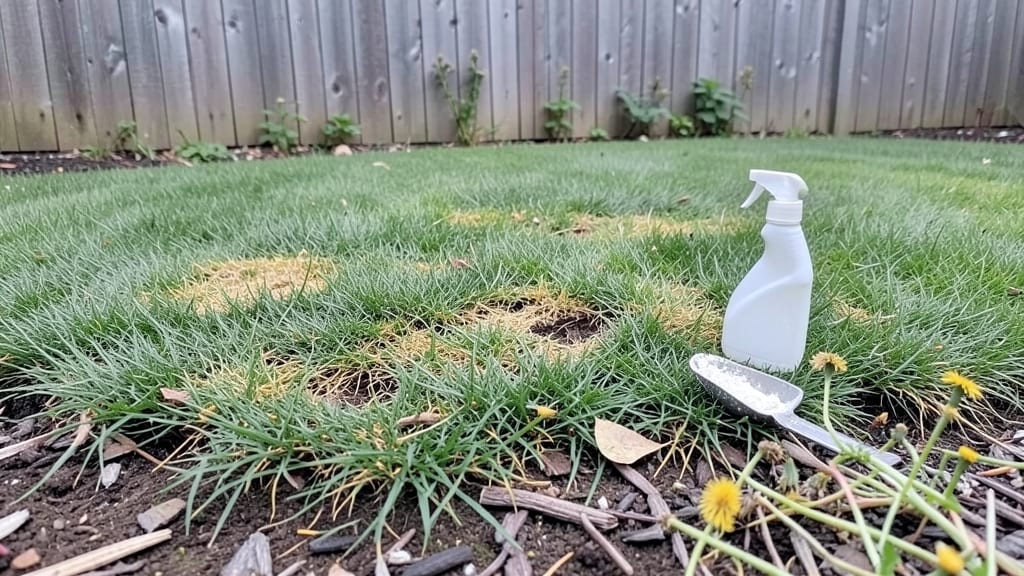
Neutralizing pet urine in grass saves your lawn from yellow patches and stinky surprises. 🌱 I’ve turned my dog’s favorite pee spots into lush green again using a simple vinegar-baking soda blend—no harsh chemicals, just fast results.
The key is acting quickly before the ammonia burns the grass and throws off soil pH.
Most pet owners assume urine damage is permanent, but it’s actually a pH problem. The ammonia in urine raises soil acidity, which kills grass roots and leaves behind that familiar stink.
My blend cuts through the odor while restoring balance—no more digging up dead patches or masking smells with perfume. You’ll see greener grass within 24 hours of treatment.
This method works for any grass type, from thick Kentucky bluegrass to delicate fescue. The blend is safe for pets once dry, so you can let your dog back on the lawn without worry.
Just mix equal parts vinegar and water, add baking soda, and spray—simple enough for a weekend project.
For stubborn spots, repeat weekly until the grass recovers. The real secret? Preventing future damage by training your pet to use a designated area. Your lawn—and your nose—will thank you.
The Science Behind Lingering Urine Smells
Pet urine in grass doesn’t just vanish—it leaves behind a stubborn, lingering odor that can turn your lawn into a smelly battleground. But why does this happen? The issue stems from a mix of chemical reactions, microbial activity, and soil composition.
Understanding the root causes helps you tackle the problem effectively. Here’s what’s really going on under your grass:
🧪 Chemical Composition of Pet Urine
Pet urine is primarily made up of urea, uric acid, ammonia, and other nitrogenous compounds. When excreted, these components are highly concentrated and alkaline (pH 6.5–8.5). Here’s how they interact with your lawn:
- Urea breakdown: Soil bacteria convert urea into ammonia (NH₃), a pungent, sharp-smelling gas. This is the first phase of the odor problem—ammonia is what hits your nose immediately after a pet does its business.
- Ammonia’s dual role: While ammonia evaporates quickly in dry conditions, it can also seep into the soil, where it reacts with water to form ammonium ions (NH₄⁺). These ions linger in the soil, creating a long-term odor reservoir.
- Uric acid persistence: Unlike urea, uric acid is less soluble in water and can bind to soil particles. This means it doesn’t wash away easily—it stays put, continuing to emit odors until broken down by microbes or neutralized chemically.
💡 Pro Tip: If your lawn smells like ammonia even after rain, it’s a sign that the soil hasn’t fully neutralized the urine’s chemical byproducts. This is especially common in sandy or well-drained soils, where water passes through too quickly for complete breakdown.
🌱 Soil pH and Microbial Imbalance
The health of your soil’s microbial ecosystem plays a huge role in whether pet urine odors disappear or persist. Here’s how pH and microbes factor in:
- Alkaline urine disrupts soil pH: Pet urine is naturally alkaline, and when it mixes with soil, it can raise the pH locally (making the area less acidic). Most lawn grasses thrive in a slightly acidic to neutral pH (6.0–7.0). If the pH spikes too high (above 7.5), it slows down microbial activity, delaying the breakdown of urine components.
- Good bacteria vs. bad bacteria: Healthy soil contains nitrifying bacteria (like Nitrosomonas and Nitrobacter) that convert ammonia into nitrites and nitrates—harmless plant nutrients. However, if the soil is compromised by urine’s alkalinity or lack of organic matter, these beneficial bacteria struggle, allowing odor-producing microbes to take over.
- Fungal overgrowth: In some cases, the urine’s high nitrogen content can feed fungal growth in the soil. Certain fungi produce volatile organic compounds (VOCs), contributing to that "musty" or "earthy" smell long after the pet has left.
🔥 Actionable Insight: If your lawn has a history of urine spots, consider adding compost or peat moss to the affected areas. These amendments lower pH naturally and provide a food source for beneficial microbes, speeding up odor neutralization.
💧 Water and Soil Type Matter
Not all lawns react the same way to pet urine—soil type and moisture levels determine how long odors linger. Here’s why:
| Soil Type | Why Urine Odors Persist | How to Fix It |
|---|---|---|
| Sandy Soil | Water drains too quickly, preventing microbes from breaking down urine. Ammonia and uric acid wash deeper into the soil instead of being neutralized at the surface. | Apply a thin layer of organic mulch (like coconut coir) to slow water drainage and retain moisture for microbial activity. |
| Clay Soil | Poor drainage traps urine components, creating a concentrated odor hotspot. Anaerobic conditions (low oxygen) slow microbial breakdown. | Improve drainage with gypsum or sand amendments and aerate the lawn to introduce oxygen. |
| Loamy Soil | The ideal soil for odor neutralization—balanced drainage and microbial activity. However, frequent urination can still overwhelm it. | Top-dress with compost tea to boost microbial populations and flush the area with water to dilute residues. |
✨ Quick Fix: After your pet uses the spot, gently water the area for 30 seconds. This helps dilute the urine and carries some of the ammonia to deeper soil layers, where microbes can process it more effectively.
By understanding these three key factors—chemical composition, soil health, and environmental conditions—you can pinpoint why your lawn’s urine odors refuse to disappear. The good news? Once you know the "why," neutralizing them becomes a whole lot easier. 🚀
Quick Fixes for Stubborn Pet Urine Smells
Pet urine in grass can turn a lush lawn into a stinky battleground—fast. But the good news? With the right approach, you can neutralize odors, restore grass health, and prevent future accidents. Below, we break down solutions by cause, so you can tackle the problem head-on without guesswork.
🔥 Step 1: Act Fast—Blot and Rinse
Urine left to sit too long bakes into the soil, making it harder to remove. Act within 24 hours for best results:
- 👨🍳 Blot up excess urine: Use a clean towel or paper towels to soak up as much liquid as possible. Press gently—don’t scrub, or you’ll push ammonia deeper into the grass.
- 💦 Rinse with water: Grab a garden hose and give the area a thorough rinse. This dilutes remaining urine and washes away surface ammonia before it penetrates.
- ⏰ Pro tip: If rain is forecasted, skip rinsing—let nature do the work! Just blot first to minimize damage.
🧪 Step 2: Neutralize with a DIY Power Blend
A simple vinegar-baking soda mix is your secret weapon for breaking down ammonia and bacteria. Here’s how:
🔪 Recipe: The Ultimate Urine Neutralizer
| Ingredient | Purpose | How to Use |
|---|---|---|
| 1 cup white vinegar | Breaks down ammonia and disinfects | Mix in a spray bottle with equal parts water (1:1 ratio). Spray generously over the affected area. |
| ½ cup baking soda | Absorbs odors and balances pH | Sprinkle lightly over the damp area after vinegar treatment. Let sit for 10–15 minutes. |
| 1 tbsp hydrogen peroxide (3%) | Kills bacteria and whitens grass | Mix 1 part peroxide with 4 parts water. Spray over the area, then rinse after 5 minutes. |
✨ Pro tip: For extra-stubborn smells, repeat the vinegar-baking soda combo every 2–3 days until the odor fades. Always rinse after hydrogen peroxide to avoid grass bleaching.
🌱 Step 3: Revive the Grass
Urine’s ammonia can burn grass roots and create yellow patches. Help your lawn recover with these steps:
- 💧 Water deeply: After treating, water the area for 10–15 minutes to help roots absorb nutrients.
- 🌾 Overseed or reseed: If the grass is thinning, sprinkle new grass seed over the treated spot. Keep it moist until germination (about 7–14 days).
- 🌡️ Avoid fertilizing: Wait at least 2 weeks after treatment before adding fertilizer—ammonia in urine can overwhelm new fertilizer, harming the lawn.
🛡️ Step 4: Prevent Future Accidents
The best defense? Break the urine-smell cycle before it starts. Try these long-term fixes:
🎯 Train Your Pet
- Use enzymatic cleaners (like Nature’s Miracle) on indoor accidents to prevent outdoor repeat offenders.
- Designate a potty zone far from your lawn—gravel or artificial turf are great alternatives.
- Reward good behavior! Praise your pet when they use the designated area.
🌿 Lawn Care Upgrades
- 💡 Install a pet urine neutralizer: Products like Simple Solution or Rocco & Roxie can be sprayed on grass to prevent odors before they start.
- 🌱 Boost grass resilience: Overseed with drought-resistant grasses (like tall fescue) that recover faster from urine damage.
- 🚫 Limit watering after accidents: Keep the lawn slightly dry in high-traffic pet areas to reduce urine absorption.
🔥 Remember: Consistency is key! Even after treating, monitor the area for lingering smells. With the right mix of action, prevention, and patience, your lawn will bounce back—odor-free and green.
Frequently asked questions
Why does my grass turn yellow after my pet pees there?
The ammonia in pet urine acts like a chemical burn on grass blades, causing yellowing or browning. When concentrated urine sits too long, it disrupts the grass's natural pH balance and damages root systems. Act within 24 hours by rinsing the area to minimize damage.
Can I use regular dish soap to remove pet urine smells?
No, dish soap won't neutralize the odor—it can actually make the problem worse by coating grass blades and preventing proper rinsing. Use a vinegar-baking soda blend instead, which breaks down ammonia and bacteria without leaving residue. Always rinse thoroughly after treatment.
How often should I treat urine spots to fully eliminate odors?
For fresh accidents, one treatment usually suffices. For stubborn smells or heavily trafficked areas, repeat every 2-3 days until the odor disappears. Monitor the grass's recovery—if yellow patches persist, consider overseeding the affected area after treatment.
Is it safe to let my dog back on the lawn after treatment?
Yes, once the vinegar-baking soda mixture is completely dry (usually 30-60 minutes after application), it's safe for pets. The solution becomes neutral upon drying, but avoid letting them pee in the same spot repeatedly. For extra protection, train them to use a designated potty area.
Will commercial pet urine neutralizers work better than DIY methods?
Commercial products like Rocco & Roxie or Nature's Miracle contain enzymes that break down urine components, but they're often more expensive. The DIY vinegar-baking soda method works equally well for most cases and costs pennies per application. Choose based on your budget and convenience.