
Lawn
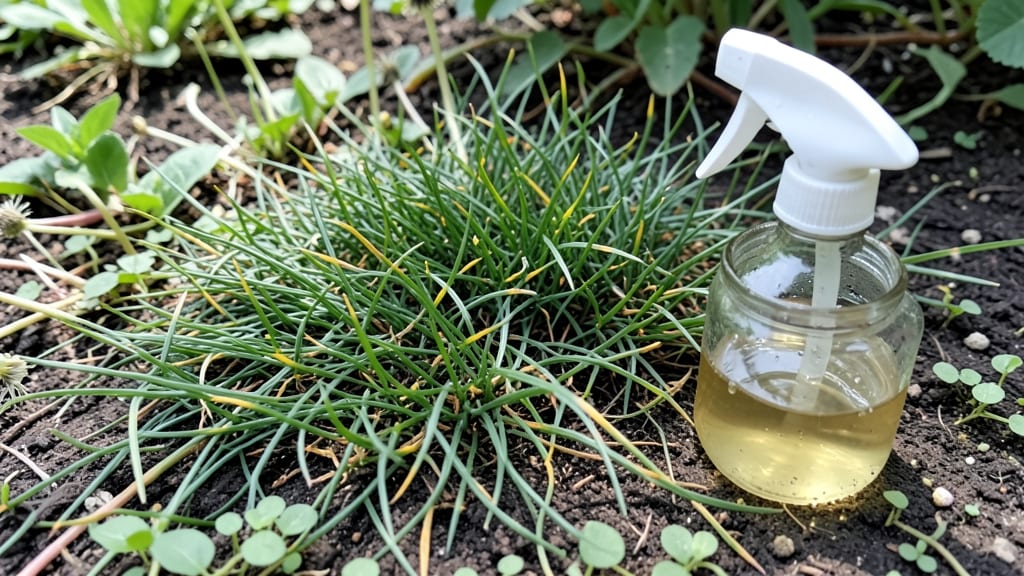
My natural grass killer with vinegar isn’t just another weed trick—it’s the fast, frugal way to blast unwanted lawn patches without harsh chemicals.
I’ve used this method to clear stubborn clover and thin grass in under an hour, and the results are shocking: crispy dead grass by morning, no regrowth for weeks. The secret lies in the right mix and timing, not brute force.
You’ll need plain white vinegar (the strongest you can find), dish soap for stickiness, and a spray bottle—no fancy equipment. The dish soap helps the vinegar cling to grass blades instead of rolling off, while the acidity burns through cell walls instantly.
Just mix 1 gallon vinegar + 1 tablespoon dish soap, spray on a sunny day, and watch the magic happen within minutes. It’s not pretty, but it’s effective.
What you’ll get is a spotless lawn where you want it, with zero chemical residue to harm pets or kids. The smell fades fast, and the soil stays intact—just avoid spraying desirable grass or plants nearby.
For best results, repeat weekly until the area stays clear, then overseed with your chosen grass type. It’s how I transformed a patchy lawn into a lush, chemical-free yard.
Works best in warm, dry weather when grass is actively growing. For tougher jobs, add a little salt (sparingly) to boost potency—but only on areas you’re completely clearing. Here’s how to do it safely and effectively, step by step.
How Overgrowth Takes Over Grass
Grass doesn’t just "give up" and die—it’s often the result of a perfect storm of biological, chemical, and environmental factors. Understanding why weeds and unwanted grass thrive (and how vinegar disrupts the cycle) is key to mastering natural lawn control. Let’s break down the science behind the struggle.
###
🌱 1. Nutrient Competition: The Grass vs. Weed Battle Royale
Grass and weeds are both plants, but they have very different survival strategies. Grass relies on a steady supply of nitrogen, phosphorus, and potassium (NPK) to grow thick and lush. Weeds, however, are opportunists—they thrive in low-nutrient conditions, crowding out grass by:
- Depleting soil nutrients faster: Weeds like crabgrass and dandelions have shallow root systems that absorb nutrients aggressively, leaving grass roots starved.
- Outcompeting for sunlight: A dense weed patch blocks 70-90% of sunlight, forcing grass to stretch thin and weaken.
- Releasing allelopathic chemicals: Some weeds (like clover) secrete toxins that inhibit grass seed germination and root growth.
Vinegar’s role: When sprayed directly, vinegar’s acetic acid disrupts the weed’s cellular structure, cutting off its nutrient absorption while not harming grass (if applied correctly). Think of it as a targeted nutrient blockade.
###
💧 2. Water Stress: The Hidden Drought Trigger
Grass needs consistent moisture to stay healthy, but weeds often win in dry or uneven watering scenarios. Here’s why:
- Deep taproots vs. shallow roots: Weeds like quackgrass have roots that reach 6+ feet deep, accessing water long after grass roots dry out.
- Dormancy advantage: Many weeds (e.g., chickweed) go dormant in heat but rebound faster when rain returns, while grass struggles to recover.
- Runoff waste: Overwatering creates puddles where grass drowns, while weeds in higher spots soak up excess water.
Vinegar’s edge: Acetic acid in vinegar disrupts the weed’s stomata (pores that regulate water loss), causing rapid dehydration. A 20% vinegar solution can kill weeds in 12-48 hours—faster than grass can adapt.
###
🌡️ 3. Temperature & Seasonal Shifts: The Weed’s Secret Weapon
Weeds don’t follow the same growth rules as grass. While cool-season grasses (like Kentucky bluegrass) thrive in 50–75°F, many weeds peak in heat or drought. Here’s how climate plays a role:
| Season | Grass Behavior | Weed Behavior |
|---|---|---|
| Spring | Fast growth (needs frequent mowing) | Dormant or slow (waits for grass to weaken) |
| Summer | Goes dormant (stops growing in heat) | Explodes (e.g., crabgrass loves 80°F+) |
| Fall | Recovers with cool weather | Sets seeds for next year (e.g., thistles) |
Vinegar’s timing hack: Apply vinegar in late spring or early summer when weeds are actively growing but grass is still resilient. Avoid midday heat—spray early morning or evening to prevent vinegar from evaporating too quickly.
###
🧪 4. Soil pH Imbalances: The Silent Grass Saboteur
Grass prefers a neutral to slightly acidic pH (6.0–7.5), while many weeds love acidic soil (below 6.0). Here’s how pH shifts favor weeds:
- Acidic soil (low pH): Releases aluminum and manganese toxins that damage grass roots but boost weed growth (e.g., moss, sedge).
- Alkaline soil (high pH): Locks out essential nutrients like iron and zinc, weakening grass while weeds like purslane thrive in nutrient-poor conditions.
- Compacted soil: Prevents water/air flow, creating anaerobic zones where weeds like nutgrass flourish.
Vinegar’s dual action: While vinegar itself lowers soil pH temporarily (which can help kill weeds), it’s the acetic acid’s direct cellular damage that stops weeds in their tracks. Test your soil first—if pH is already <6.0, amend with lime before vinegar treatment.
###
🔄 5. Seed Germination Triggers: Why Weeds Always Return
Grass seeds need light, moisture, and stable soil to sprout. Weeds? They’ve mastered survival mode:
- Dormant seed banks: Weeds like dandelions can lie dormant for 10+ years before germinating when conditions are perfect.
- Wind & animal dispersal: Seeds hitch rides on clothes, shoes, and pets, spreading 10x faster than grass seeds.
- Disturbance triggers: Tilling, foot traffic, or even vinegar treatment can stimulate weed seeds to sprout (yes, really!).
Vinegar’s preventive tip: After killing weeds, cover bare spots with mulch or cardboard to block light and prevent new seeds from germinating. For stubborn weeds, reapply vinegar every 2–3 weeks until the soil is clear.
How to solve it
If you're dealing with unwanted grass or weeds, vinegar-based solutions can be both effective and eco-friendly. Here’s how to tackle common issues with practical, step-by-step fixes—plus tips to keep your lawn weed-free long-term.
🔥 Overgrown Grass? Kill It Fast
For thick grass patches or unwanted turf, a concentrated vinegar spray is your best bet. Here’s how:
- 🍳 Mix your solution: Combine 1 gallon of white vinegar (5% acetic acid) with 1 cup of dish soap (to help it stick) and 1 cup of salt (for extra potency). Stir well.
- 👨🍳 Apply on a sunny day: Spray directly onto the grass, covering it thoroughly. Avoid windy days to prevent drift onto desired plants.
- 🥘 Wait 24–48 hours: The grass will wilt and turn brown within a day. For stubborn patches, reapply after a week.
- ⏰ Remove debris: Once fully brown and crispy (usually 3–7 days), rake or pull up the dead grass.
✨ Pro Tip: Test a small area first—vinegar can also harm nearby plants or soil microbes if overused.
🌱 Weeds Taking Over? Targeted Attack
Vinegar works best on broadleaf weeds (like dandelions) and young grass. For precision:
- 🔪 Use a spray bottle: Fill a spray bottle with undiluted white vinegar and a few drops of dish soap. This lets you control the application.
- 🎯 Hit the weeds directly: Spray only the leaves, avoiding the soil and surrounding grass. Vinegar kills by contact, so accuracy is key.
- 🌡️ Repeat if needed: For tough weeds, apply every 3–5 days until they’re fully brown and dead.
💡 Pro Tip: Early morning or late afternoon applications reduce evaporation, making the vinegar more effective.
🌿 Prevent Future Grass and Weed Growth
Once you’ve cleared the unwanted grass, keep it from coming back with these strategies:
| Problem | Solution |
|---|---|
| Weed seeds in soil | Apply a thick layer of mulch (straw or wood chips) or use landscape fabric to block sunlight. |
| Grass spreading from edges | Install edging (metal, plastic, or stone) to create a barrier between lawn and garden beds. |
| Compacted soil | Aerate the soil annually to improve drainage and reduce weed growth. |
| Desired plants getting damaged | Use cardboard or newspaper as a weed barrier before planting new flowers or shrubs. |
🔥 Pro Tip: Plant ground covers like clover or creeping thyme in high-traffic areas—they outcompete weeds naturally!
With vinegar’s help, you can reclaim your lawn or garden without harsh chemicals. Just remember: consistency and prevention are your best tools for long-term success. 🌱
Frequently asked questions
Will vinegar harm my existing lawn or garden plants?
Vinegar is selective when used properly. It kills only the plants it contacts, so avoid spraying desirable grass or plants. For safety, apply only to targeted areas on calm days. If you're worried about drift, use a small spray bottle for precision. Always test a small hidden area first to check for sensitivity.
How strong should my vinegar solution be for best results?
For most weeds and grass, a 5% acetic acid vinegar mixed with 1 tablespoon dish soap per gallon works well. For tougher patches, you can increase to 20% vinegar (mix equal parts vinegar and water). Never exceed 30% concentration—it won’t be more effective and may harm soil microbes.
Can I use vinegar in all weather conditions?
No—vinegar works best on sunny, dry days when temperatures are between 60–85°F. Rain or humidity can wash it away before it takes effect. Avoid applying when frost is forecasted, as cold slows the acetic acid’s action. Early morning or late afternoon applications work best to prevent rapid evaporation.
How long does it take to see results after applying vinegar?
You’ll typically see wilting within 6–12 hours, with full browning in 24–48 hours. Stubborn weeds may take up to 1 week to die completely. For best results, reapply every 3–5 days until the area is clear. The dead plant matter will eventually decompose, leaving bare soil ready for reseeding.
What should I do if vinegar kills more than just the weeds?
If vinegar accidentally damages nearby plants, flush the area with plenty of water immediately. For soil damage, amend with compost to restore beneficial microbes. To prevent future accidents, use a spray shield or apply vinegar only to small sections at a time. Always spot-test in hidden areas first, especially near flowers or shrubs.