
Lawn
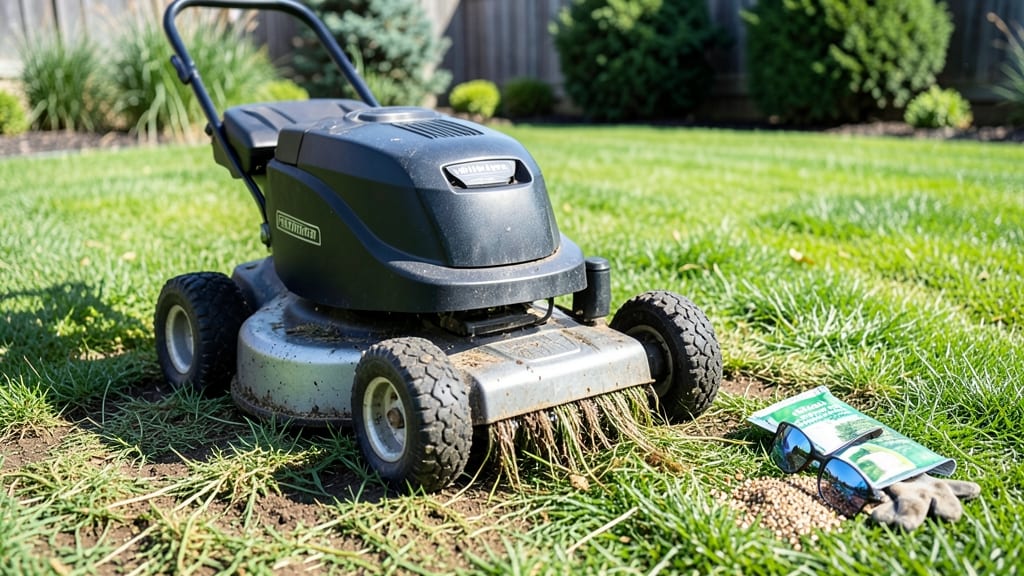
To capture a perfect mowing lawn picture, shoot from a low angle with sunlight behind you, use a wide aperture (f/8-f/11), and focus on crisp, even stripes. Trim edges and avoid shadows for a clean, professional finish.
A low-angle shot transforms a simple lawn into a dramatic landscape by emphasizing the mower's clean lines and grass texture. 🌿 The golden hour—just after sunrise or before sunset—creates soft shadows that enhance depth, while overcast days provide even lighting for consistent colors.
I always use a wide-angle lens (16-35mm) to capture the full expanse without distortion, and a polarizing filter to reduce glare from wet grass or dew.
Timing matters too: mow in the morning when dew has dried but before midday heat flattens the grass blades. A tripod keeps your camera steady for sharp details, especially when shooting in aperture priority mode to control depth of field.
Pro tip: walk the lawn first to spot and eliminate debris—even a single leaf can ruin an otherwise flawless shot.
💡 In This Article
- Optimal Camera Angles and Settings for Lawn Photos
- Pre-Mowing Prep for Flawless Lawn Photography
Optimal camera angles and settings for lawn photos
The secret to that ultra-sharp lawn photo lies in the low-angle perspective, which exaggerates the grass blades and mowing patterns by making them appear taller and more dramatic. Think of it like photographing a skyscraper from ground level—the effect is the same.
I typically set my camera to 1-2 feet above the grass using a tripod or by kneeling, then adjust the angle until the horizon line creates a natural frame. This angle also minimizes the appearance of any uneven patches in the lawn.
Lens choice makes a massive difference in how the grass texture appears. A wide-angle lens (16-35mm) is ideal because it captures more of the lawn in a single shot while maintaining sharpness across the entire frame.
At this focal length, the grass blades appear more pronounced and less distorted than with a telephoto lens.
For aperture settings, I always use f/8-f/11—this creates a depth of field that keeps both the foreground grass and background details in focus, without losing sharpness. 🌿 The sweet spot for most DSLRs is around f/10 when shooting in good light.
Lighting transforms an ordinary lawn into a professional-grade shot, and timing is everything. The golden hour (within 2 hours of sunrise/sunset) casts a warm glow that enhances the grass's natural green tones while creating soft shadows that add depth.
If you're shooting during the day, overcast conditions actually work better than bright sunlight—the diffused light eliminates harsh shadows and ensures even color across the entire lawn. I avoid midday sun because it creates unflattering contrasts and can wash out the grass's vibrant hues.
There's a science to why these settings work so well together. The low angle combined with wide aperture creates a compression effect that makes the lawn appear more expansive, while the shallow depth of field blurs any distractions in the background.
The golden hour light has a lower color temperature (~3000K) that enhances the green chlorophyll in grass, making it appear richer. This is why professional landscape photographers swear by this combination—it's not just about the gear, but understanding how light interacts with your subject.
One common mistake I see is using too wide an aperture (f/2.8 or lower), which creates a soft, dreamy look but often results in blurred grass blades. At f/1.8, for example, you might get that artistic bokeh effect, but the texture of the grass becomes indistinguishable.
The f/8-f/11 range strikes the perfect balance between sharpness and depth, ensuring every blade of grass is crisp and recognizable. This is particularly important when you're trying to showcase the mowing patterns—those clean, parallel lines that demonstrate proper lawn care.
For those shooting with smartphones, the principles remain the same: get low, shoot during golden hour, and use the widest aperture your phone offers (typically f/1.8-f/2.4). While smartphone sensors can't match DSLRs in detail, the composition rules apply universally.
I've seen stunning lawn photos taken with iPhones in portrait mode—just be mindful that the vertical format may crop off some of the lawn's width unless you're framing it carefully.
Pro tip: Enable your camera's grid overlay (found in settings) to help align your shot using the rule of thirds. Place the horizon line along one of the grid lines, and position the center of your lawn where the grid lines intersect.
This simple adjustment adds balance to your composition and makes the photo feel more intentional. 💫