
Lawn
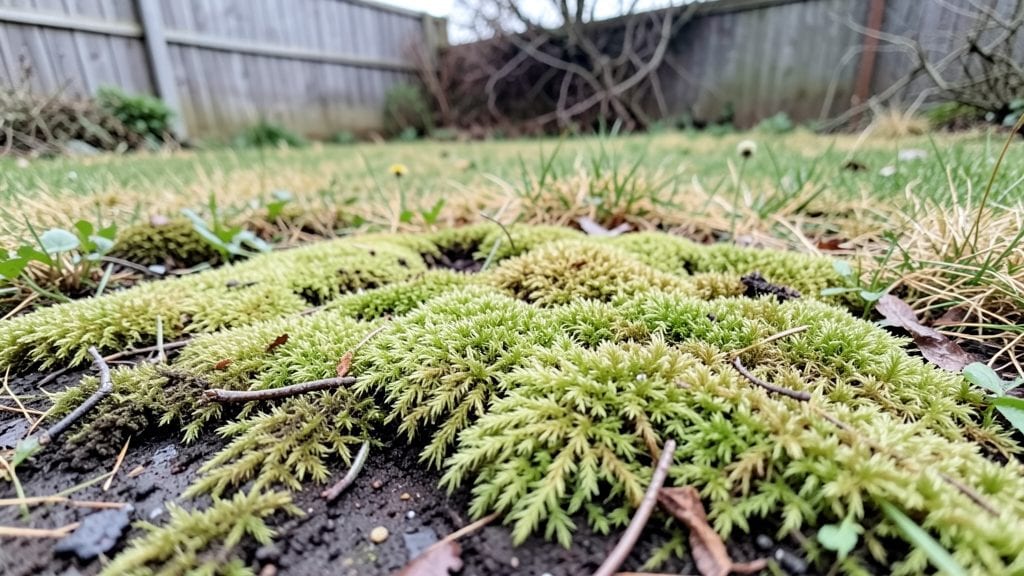
Moss taking over your lawn is a clear sign your grass is throwing in the towel—thankfully, we can bring it back to life. I’ve turned my own mossy carpet into a lush, green lawn using just three straightforward steps that don’t require fancy tools or toxic chemicals.
The key? Understanding why moss moves in (hint: it’s not just about shade) and giving your grass the right conditions to fight back.
Most people assume moss means their lawn is doomed, but it’s actually an easy fix once you know the game. Poor drainage, compacted soil, or acidic conditions create the perfect welcome mat for moss, while grass struggles to take root.
The good news? A simple soil test and a few adjustments—like aerating, liming, and overseeding—can turn the tide in just a few weeks. No more patchy, spongy ground that feels like walking on a swamp.
By the end of this process, you’ll have a lawn that’s thick, vibrant, and finally winning the battle against moss. The first sign of success? Grass blades crowding out those soft green patches within 4-6 weeks.
And the best part? Once you’ve reset the conditions, moss won’t stand a chance—your lawn will stay lush even in shady spots. Let’s get started with the steps that actually work.
This method works for both sunny and partially shaded lawns, though you may need to tweak the grass seed variety. The secret isn’t brute force—it’s giving your lawn the right foundation. Think of it like teaching grass to play defense while moss gets the boot. Ready to reclaim your yard?
The Hidden Triggers Behind Lawn Moss
Moss creeping into your lawn isn’t just a random nuisance—it’s a clear signal that your grass is struggling to thrive. Understanding the root causes (literally!) helps you address the problem before it spreads. Here’s why moss takes over, broken down into the most common culprits:
🌧️ Too much moisture or poor drainage
Moss loves damp conditions, and if your lawn stays soggy for long periods, it’s a green carpet invitation. Here’s why:
- Waterlogged soil: Compacted or clay-heavy soil repels water, creating a perfectly moist environment for moss spores to germinate. Unlike grass, moss doesn’t need deep roots—it thrives in shallow, damp layers.
- Shady, slow-drying areas: Moss spreads aggressively in spots where sunlight struggles to penetrate (e.g., under trees or near fences). These areas dry slower, keeping humidity high.
- Overwatering: While grass needs consistent moisture, moss relishes excess water. If your sprinkler runs too long or rain doesn’t drain quickly, moss outcompetes grass for space.
💡 Pro Tip: Test your soil’s drainage by digging a 6-inch hole and filling it with water. If it drains in <1 hour, you’re okay; if not, amend with organic matter (like compost) to improve aeration.
🌿 Thin or stressed grass cover
Moss doesn’t just invade—it fills gaps left by weak grass. When your lawn is sparse, moss seizes the opportunity. Common reasons grass fails:
- Low sunlight exposure: Grass needs 4–6 hours of direct sun daily to photosynthesize. In shady patches, grass grows slowly or dies, leaving bare soil for moss.
- Poor soil quality: Compacted, nutrient-poor soil starves grass roots. Moss, however, thrives in minimalist conditions—it doesn’t demand rich soil.
- Disease or pest damage: Fungal infections (like brown patch) or grubs munching on roots create perfect entry points for moss.
- Improper mowing: Cutting grass too short (<1–1.5 inches) weakens roots, making it vulnerable to moss takeover.
🔥 Action Step: Conduct a soil test to check pH and nutrient levels. Grass prefers pH 6.0–7.0; moss thrives in acidic (below 5.5) or alkaline (above 7.5) soil. Adjust with lime or sulfur as needed.
⚖️ Soil pH imbalance favoring moss
Moss isn’t picky about soil pH—it prefers extremes while grass stays in a narrow sweet spot. Here’s how pH plays a role:
| pH Level | Grass Health | Moss Growth |
|---|---|---|
| Below 5.5 (Acidic) | Weakened roots, nutrient deficiencies (e.g., nitrogen lockout) | ✅ Thrives—acidic soil releases moss-friendly minerals like aluminum. |
| 6.0–7.0 (Ideal for Grass) | Optimal nutrient uptake, strong root growth | ❌ Struggles—competes poorly with healthy grass. |
| Above 7.5 (Alkaline) | Nutrient imbalances (e.g., iron/chlorosis), slow growth | ✅ Thrives—some moss species (like Hypnum) prefer alkaline conditions. |
🌡️ Quick Fix: Use a test kit to measure your soil. To raise pH (for acidic soil), spread pelletized lime; to lower pH (for alkaline soil), apply elemental sulfur. Re-test in 2–3 months.
🌳 Compacted or barren soil
Moss spreads like wildfire in compacted or bare soil because it has no competition. Here’s the science:
- Lack of organic matter: Healthy soil has 2–5% organic material, which grass roots latch onto. Moss, however, grows on bare mineral surfaces.
- Foot traffic or heavy equipment: Compaction crushes soil pores, preventing water and air from reaching grass roots. Moss, with its shallow, web-like structure, survives in these suffocating conditions.
- Exposed soil after renovations: Aerating, overseeding, or even over-fertilizing can temporarily strip grass cover, giving moss a foothold.
🎯 Long-Term Solution: Core aeration (removing 2–3" soil plugs) in spring/fall improves drainage and invites grass roots to expand. Top-dress with compost to restore organic matter.
Now that you know why moss moves in, the next step is kicking it out for good. The key? Fix the conditions it loves—and grass will reclaim its throne.
Quick Fixes for a Greener Lawn
If moss has claimed your lawn like an uninvited houseguest, don’t panic—you can reclaim your grass with the right approach. The key is addressing the root causes (literally!) while restoring balance to your soil and sunlight.
Below, we break down targeted solutions based on the most common reasons moss thrives, plus prevention tips to keep it from staging a comeback. Think of this as your moss eviction plan—simple, effective, and lawn-friendly.
🌱 Overly Shady Lawn? Boost Light & Airflow
Moss loves shade, but grass needs sunlight to thrive. If your lawn is perpetually in the shadow of trees or structures, focus on improving growing conditions rather than eradicating moss outright.
How to Fix It:
- 🌳 Trim or thin overhanging branches—Even small adjustments can let more light filter through. Use pruning shears or hire a professional arborist for larger trees.
- 🌿 Mow higher in shady spots—Set your mower to 3–4 inches. Taller grass shades out moss while still getting enough light to survive.
- 💧 Reduce watering frequency—Moss thrives in damp conditions. Water deeply but less often (1–1.5 inches per week) to encourage grass roots to seek moisture deeper, outcompeting moss.
- 🌱 Plant shade-tolerant grass seeds—Varieties like Fine Fescue or Kentucky Bluegrass handle low light better than standard turfgrass.
💡 Pro Tip:
If trees are non-negotiable, mulch the soil around their bases with wood chips to improve drainage and reduce moss-friendly moisture. Just keep mulch 6+ inches away from the tree trunk!
💦 Too Much Moisture? Drainage & Soil Work
Compacted or poorly draining soil turns your lawn into a moss paradise. Fix the underlying issues to crowd out unwanted growth.
How to Fix It:
- 🔥 Aerate aggressively—Rent a core aerator (or hire a pro) to pull out 3–4 inch soil plugs twice a year (spring/fall). This loosens compaction and helps water drain.
- 🏗️ Improve soil structure—Mix in sand (for sandy soils) or compost (for clay-heavy soils) to 2–3 inches deep. Aim for a 60% sand/40% organic matter blend for ideal drainage.
- 🚰 Install a French drain or swales—For severely waterlogged areas, redirect excess water with underground pipes or shallow trenches filled with gravel.
- 🌱 Overseed with drought-resistant grass—Types like Perennial Ryegrass or Tall Fescue handle wet conditions better than moss.
🌡️ Quick Test:
Stomp on a suspicious spot—if water pools for more than 15 minutes, your lawn has drainage issues. Time to act!
🍄 Acidic Soil? Balance the pH
Moss thrives in acidic soil (pH < 6.0), while most grasses prefer neutral to slightly alkaline (pH 6.0–7.5). A simple soil test reveals the fix.
How to Fix It:
- 📊 Test your soil—Pick up a DIY test kit from a garden center or send a sample to a local extension office for precise results.
- 🧪 Apply lime to raise pH—For acidic soil, spread pelletized dolomitic lime at the rate of 50 lbs per 1,000 sq ft. Reapply annually if needed.
- ⚡ Use iron supplements (optional)—If moss is the only green thing growing, a chelated iron spray can temporarily mask it while you fix soil conditions.
- 🌱 Choose pH-tolerant grass—If your soil is naturally acidic (e.g., pine forests), opt for Fine Fescue or Bermuda grass varieties.
✨ Prevention Hack:
Spread a thin layer of wood ash (from untreated wood) over mossy areas—it’s a natural pH booster. Just avoid overdoing it, as too much can make soil alkaline.
🪓 Thinning Grass? Thicken the Turf
If your lawn is sparse or patchy, moss fills the gaps like a weed. Strengthen your grass to outcompete it.
How to Fix It:
- 🌱 Overseed bare spots—Choose a fast-growing grass seed blend (like Ryegrass) and spread it evenly over mossy areas. Lightly rake to expose soil.
- 💪 Fertilize smartly—Use a balanced fertilizer (10-10-10) in early spring and fall. Avoid high-nitrogen lawn foods, which can burn grass and leave it vulnerable.
- 🪒 Dethatch if needed—If a thick layer of thatch (>0.5 inch) is smothering grass roots, rent a dethatcher to remove it before overseeding.
- 🍂 Leave grass clippings—They return nutrients to the soil and reduce the need for extra fertilizer.
🎯 Long-Term Strategy:
Mow regularly (but not too short!) to encourage dense growth. Aim for 1/3 of the blade height per mowing—so if your grass is 3 inches, cut to 2 inches max.
🧹 Last Resort: Moss Removal (When Needed)
If moss is already dominant, you may need to temporarily remove it to reset your lawn. But skip harsh chemicals—focus on mechanical and organic methods.
How to Fix It:
- 🔪 Rake or dethatch—Use a bow rake to scrape moss off the surface, then dispose of it. For stubborn patches, a vertical mower can help.
- 🧼 Scrub with vinegar or baking soda—Mix 1 part white vinegar to 1 part water in a spray bottle and apply to mossy areas. For a gentler option, sprinkle baking soda and hose it off after 24 hours.
- 🌿 Solarize the area (for extreme cases)—Lay clear plastic sheeting over mossy spots for 4–6 weeks in hot weather to bake it out. Remove debris afterward and overseed.
- ⚠️ Avoid herbicides—Chemicals like glyphosate can harm grass and disrupt soil ecosystems. Opt for natural solutions instead.
🚫 What NOT to Do:
Don’t tear up healthy grass to remove moss—this creates more bare soil for moss to invade. Don’t use salt or bleach, as they damage soil and nearby plants.
With these targeted fixes, you’ll crowd out moss and restore a lush, grassy lawn—no extreme measures required. Consistency is key: address drainage, sunlight, and soil health year-round, and moss won’t stand a chance. 🌿✨
Frequently asked questions
Why does moss spread so quickly in damp areas?
Moss thrives in damp conditions because its shallow root system doesn't need deep soil penetration. Unlike grass, which requires good drainage, moss spreads aggressively in areas where water lingers—like shady spots under trees or poorly draining soil. It also reproduces through tiny spores that float on air currents, making it easy for patches to expand rapidly.
Can I just remove moss and expect grass to grow back?
No—simply removing moss without fixing the underlying issues (like poor drainage, compacted soil, or low sunlight) just creates bare spots that moss will reclaim. Grass needs proper conditions to outcompete moss. Focus on improving soil health, aerating, and overseeding for long-term results. Think of moss removal as just the first step in a bigger restoration process.
Is vinegar safe to kill moss without harming grass?
White vinegar (1:1 ratio with water) can kill moss, but it may also damage grass if overapplied. For spot treatment, spray moss directly and avoid oversaturating surrounding grass. A gentler alternative is baking soda—sprinkle it on mossy areas, let it sit for 24 hours, then hose off. Always test a small area first.
How do I know if my lawn needs lime or sulfur?
Use a soil test kit to check your lawn's pH. If the pH is below 6.0 (acidic), spread pelletized lime to raise it. For pH above 7.5 (alkaline), apply elemental sulfur. Grass prefers a neutral pH of 6.0–7.0, while moss thrives in extreme conditions. Re-test soil after 2–3 months to adjust as needed.
Will moss come back after I fix my lawn?
Moss may return if you don't address the root causes—like poor drainage, shade, or compacted soil. Once you improve conditions (aeration, proper watering, overseeding), healthy grass will outcompete moss naturally. Regular maintenance (like core aeration and mowing at the right height) helps prevent future invasions. Consistency is key!