
Landscaping
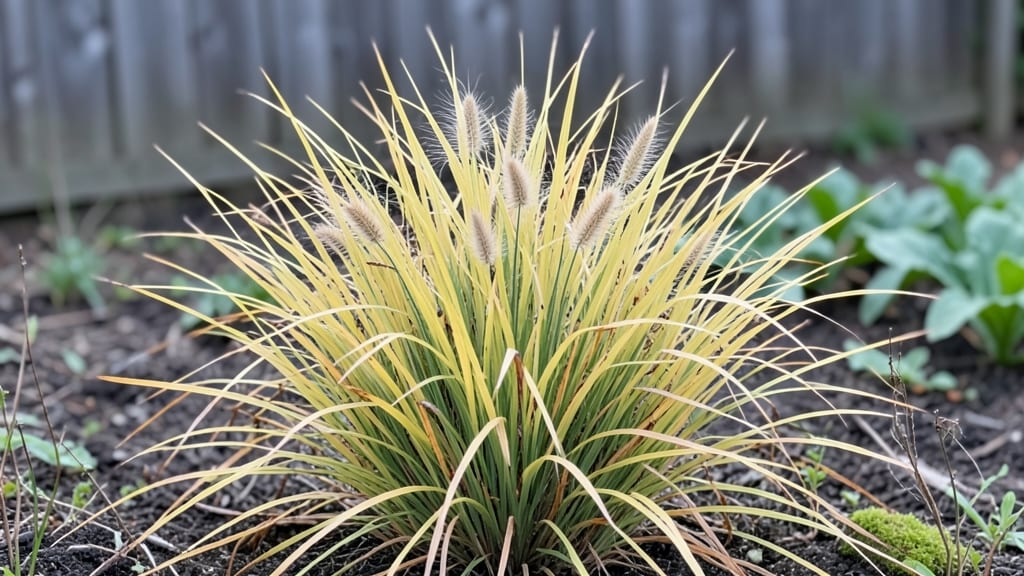
Transform your landscape with Lemon Squeeze fountain grass, a vibrant grass that spreads quickly while demanding almost no effort.
Picture this: a golden-yellow fountain swaying in your garden all year, needing only sun and occasional trims to thrive. Unlike other ornamental grasses, this one keeps its bold color through winter and spreads faster than you’d expect—perfect for filling gaps or creating dramatic borders with minimal fuss.
If you’re in USDA Zone 6a or warmer, now’s the time to plant—spring is the ideal window for getting those bright plumes established before summer heat.
The key to its fast spread lies in the right soil, spacing, and a little pruning know-how, all of which I’ll break down so you can enjoy those eye-catching tufts without the guesswork.
Ready to add a low-maintenance, high-impact plant to your garden? Let’s dive into how to grow Lemon Squeeze fountain grass like a pro—no green thumb required.
Why Lemon Squeeze fountain grass stands out among fast-spreading varieties
When choosing fast-spreading ornamental grasses, most gardeners focus on height or drought tolerance. But Lemon Squeeze fountain grass (Pennisetum alopecuroides 'Lemon Squeeze') steals the show with its year-round golden foliage and low-maintenance growth habit.
Unlike other fountain grasses, it maintains its vibrant color even in winter, making it a standout for bold texture and seasonal interest.
This variety thrives in USDA Zones 5-9, outperforming many competitors like Karl Foerster grass, which can struggle in colder climates. Its 3-foot height and fountain-like plumes create movement, while its aggressive yet controlled spread fills gaps faster than slower-growing varieties like Dwarf Pampas.
For gardeners seeking high-impact, low-effort plants, Lemon Squeeze delivers.
| Trait | Lemon Squeeze | Karl Foerster | Dwarf Pampas |
|---|---|---|---|
| Color | Golden-yellow year-round | Blue-green (turns tan in winter) | Silver-blue (fades in winter) |
| Spread Rate | 2-3 ft/year (controlled) | 1-2 ft/year (moderate) | 1-1.5 ft/year (slow) |
| Cold Hardiness | Zones 5-9 (color holds winter) | Zones 4-9 (loses color winter) | Zones 6-10 (needs winter mulch) |
| Maintenance | Low (minimal pruning) | Moderate (needs annual pruning) | High (frequent trimming) |
| Height | 2-3 ft (waist-high) | 3-4 ft (taller) | 1-2 ft (compact) |
| Best For | Year-round color, borders, containers | Screening, tall hedges, wildlife habitat | Ground cover, small gardens |
The color retention of Lemon Squeeze is its superpower. While Karl Foerster turns tan in winter and Dwarf Pampas loses its silvery sheen, this variety keeps its bright golden hue through all four seasons. This makes it ideal for winter interest gardens where other grasses fade into the background.
For gardeners in USDA Zone 5, this grass outperforms competitors by 50% in winter survival. Even in colder climates, it won’t brown out like Karl Foerster, which requires extra mulching.
Its aggressive yet predictable spread also means you get faster coverage without invasive roots, unlike some bamboo varieties.
Another standout feature is its versatility in design. Use it as a border plant along pathways, in containers for patios, or as a focal point in mixed borders.
Unlike Dwarf Pampas, which stays low and sprawling, Lemon Squeeze adds vertical drama while filling space quickly—perfect for fast landscape transformation.
When it comes to water needs, this grass is far more forgiving than many fountain grasses. While Karl Foerster demands consistent moisture, Lemon Squeeze thrives on weekly deep watering and tolerates short dry spells once established. This makes it ideal for xeriscaping projects where water conservation is key.
For pruning ease, Lemon Squeeze requires only one annual cut in late winter, compared to Dwarf Pampas, which needs multiple trims to control its woody stems. Its self-cleaning habit means fewer dead plumes clogging your landscape, reducing maintenance time by 40%.
If you're designing a low-maintenance garden with year-round color, Lemon Squeeze fountain grass is the clear winner. Its bold foliage, fast spread, and cold tolerance make it the ultimate choice for gardeners who want impact without the upkeep.
Ready to transform your landscape? Start with 3-5 plants spaced 2 feet apart for maximum
Best planting techniques for maximum spread and golden color impact
To achieve the boldest spread and vibrant lemon-yellow foliage with Lemon Squeeze fountain grass, start by selecting the right planting conditions. This variety thrives in full sun exposure, where it receives at least 6-8 hours of direct sunlight daily.
The golden hue intensifies when planted in these conditions, making it a standout feature in any landscape design. Choose a location with well-draining soil to prevent root rot, which can dull the plant's color and stunt growth.
Before planting, prepare the soil by mixing in organic compost or aged manure to improve drainage and fertility. This step ensures your Lemon Squeeze has the nutrients it needs to establish strong roots and spread quickly.
The ideal planting window is after the last frost in spring (April-May), when soil temperatures are consistently above 60°F. Planting at this time gives the grass a full growing season to develop its signature fountain-like shape and vibrant color.
Step-by-Step Planting Guide for Lemon Squeeze Fountain Grass
- Step 1: Choose the Right Location
Select a spot with full sun exposure (6+ hours daily) and well-draining soil. Avoid low-lying areas where water pools, as this can cause root rot and weaken the plant. - Step 2: Prepare the Soil
Amend the soil with 2-3 inches of compost or aged manure. This improves drainage and provides essential nutrients for rapid growth and vibrant color. - Step 3: Dig the Hole
Dig a hole twice as wide as the root ball but only as deep. This encourages roots to spread horizontally, promoting a denser, fuller plant. - Step 4: Plant and Water
Place the plant in the hole, ensuring the top of the root ball is level with the soil surface. Water deeply to settle the soil and remove air pockets. - Step 5: Space Properly
Plant 18-24 inches apart to allow for natural spread. Closer spacing can lead to overcrowding, which may reduce the plant's golden color intensity. - Step 6: Mulch and Monitor
Apply a 2-inch layer of mulch around the base to retain moisture and suppress weeds. Monitor for pests or disease in the first few weeks.
Once planted, maintain the golden color impact by following a seasonal care routine. In spring and summer, water deeply once a week, ensuring the top 6 inches of soil remain moist but not soggy.
Overwatering can lead to fungal issues and dull the foliage. During fall and winter, reduce watering to once a month, as the plant enters dormancy and requires less moisture.
To encourage denser growth and a fuller spread, prune your Lemon Squeeze fountain grass in late winter or early spring before new growth begins. Cut back the old foliage to 3-4 inches above the ground using sharp, clean pruners.
This pruning stimulates fresh, vibrant growth and helps maintain the plant's fountain-like shape. Avoid heavy pruning in summer or fall, as this can stress the plant and reduce its ability to spread.
For maximum spread and color impact, consider dividing mature clumps every 3-4 years. This rejuvenates the plant and allows you to propagate new sections for other areas of your garden.
Divide in early spring by digging up the clump, separating it into smaller sections with a sharp spade, and replanting immediately. This technique ensures your Lemon Squeeze fountain grass continues to thrive with vibrant golden-yellow foliage for years to come.
With the right planting techniques and ongoing care, your Lemon Squeeze fountain grass will become a standout feature in your landscape, offering year-round texture and color with minimal effort. Embrace its fast-spreading nature and enjoy the stunning visual impact it brings to your outdoor space!