
Landscaping
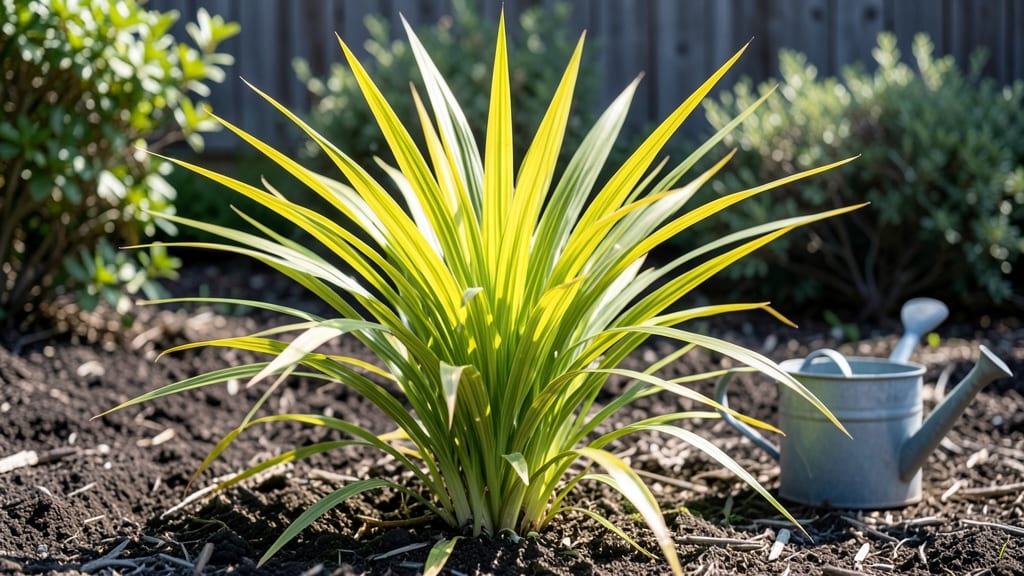
Creating a lemon grass yard transforms your outdoor space into a fragrant, tropical retreat that needs almost no upkeep. 🌿 The tall, arching stalks create natural privacy while filling the air with a bright citrus scent that keeps mosquitoes at bay—no chemicals required.
My first attempt used just three clumps, and within a season, they formed a lush, wind-resistant screen that outlasted any store-bought hedge.
This isn't about fancy landscaping—just dig holes, plant the rhizomes about 12 inches apart, and let them grow. Lemon grass thrives in full sun to partial shade, tolerates poor soil, and rarely needs watering once established.
The real magic happens when you combine it with drought-tolerant companions like ornamental grasses or butterfly bushes for a low-maintenance, high-impact look.
By summer's end, you'll have a fragrant barrier that sways in the breeze, repels pests naturally, and adds that "I just returned from Bali" vibe to your backyard. The best part?
It keeps growing taller every year without needing pruning—just occasional cutting to encourage bushier growth. Perfect for small spaces, large yards, or anywhere you want a tropical feel with minimal effort.
Works in zones 9-11 but can be grown in containers and brought indoors in cooler climates. Here's how to make it work for your space without the usual gardening headaches.
📚 In This Guide
- What you need
- Instructions
- Tips and common mistakes
- Wrapping up and next steps
What you need
- ● Lemon grass plants: 10–20 stalks (depending on desired height/width; spacing: 12–18 inches apart). Pro tip: 🌱 Buy organic or locally sourced for hardier growth!
- ● Well-draining soil: Mix 2 parts topsoil + 1 part sand or perlite (lemon grass hates soggy roots!).
- ● Compost: 1–2 bags (for nutrient-rich planting holes).
- ● Mulch: 1–2 bags of pine straw or wood chips (to retain moisture and suppress weeds).
- ● Garden trowel or shovel
- ● Measuring tape (for precise spacing)
- ● Gloves (to protect your hands from sharp grass edges)
- ● Watering can or hose with a gentle spray nozzle
- ○ Optional: String line (to mark rows for a neat look) or a landscape fabric (to block weeds long-term).
- ● A sunny yard spot (6+ hours of direct sunlight daily). No shade = no lemon grass!
- ● Access to water (lemon grass loves moisture but not waterlogged soil).
- ● Patience! Full privacy takes 1–2 years (but the scent is worth it 🌿).
Step-by-step instructions for creating a lemon grass privacy screen
Here's how to turn your yard into a fragrant, low-maintenance tropical oasis.
🌱 Step 1: Select and Prepare Planting Spots
Lemon grass thrives in full sun and well-draining soil. Choose a location that gets at least 6-8 hours of sunlight daily. I like to mark my spots with small stakes—this helps visualize the final screen shape and ensures even spacing. For a 4-foot-tall screen, plant each clump 18-24 inches apart in rows 2 feet apart.
Dig a hole about twice as wide as the root ball but only 1 inch deeper than the container. Lemon grass roots are shallow, so don't bury them too deep. Gently loosen the soil at the bottom of the hole to encourage root spread. If your soil is heavy clay, mix in 1 part compost to improve drainage—this prevents the roots from sitting in soggy conditions.
🪴 Step 2: Plant Lemon Grass Clumps Properly
Remove the lemon grass from its container and tease the roots apart slightly—this encourages faster establishment. Place the clump in the hole so the top of the root ball sits just below soil level. The reason we don't bury the crown too deep is that lemon grass can rot if smothered.
Fill the hole with soil, pressing lightly around the base to remove air pockets. Water deeply right after planting—this helps settle the soil and eliminates gaps. You'll see water beading at the surface when it's soaked through. After planting, avoid walking near the area until the soil dries slightly to prevent compacting the roots.
☀️ Step 3: Water and Mulch for Healthy Growth
Keep the soil consistently moist for the first 4-6 weeks—this is critical for root establishment. Water whenever the top 2 inches of soil feel dry. Lemon grass is drought-tolerant once established, but young plants need steady moisture. I use a soaker hose for even watering, which prevents fungal issues from overhead sprinkling.
Spread 2-3 inches of mulch around each plant, keeping it 2 inches away from the stems. This retains moisture, suppresses weeds, and keeps roots cool. I prefer straw mulch because it breaks down slowly and adds organic matter to the soil. Avoid thick layers—too much mulch can suffocate the roots and attract pests.
✂️ Step 4: Prune and Maintain for Fullness
Once your lemon grass reaches 12-18 inches tall, trim the outer leaves to encourage bushier growth. Cut back about one-third of the height with clean shears, leaving the inner growth intact. This step prevents leggy stems and keeps the screen dense. I do this in early spring and again in midsummer—timing matters because pruning too late in the season can stunt new growth.
Remove any dead or yellowing leaves immediately—they can harbor pests and diseases. Lemon grass is generally pest-free, but watch for spider mites if your yard is particularly dry. A quick spray with water usually clears them up. Fertilize lightly in spring with a balanced 10-10-10 fertilizer to support vigorous growth, but don't overdo it—lemon grass doesn't need much extra nutrition.
Tips & tricks for perfect lemon grass privacy screens
Creating a fragrant lemon grass screen takes just a few smart tricks to ensure lush, healthy growth that actually blocks views.
The Sunlight Secret: That 6-8 hours of sunlight isn't just a suggestion—it's non-negotiable for strong growth. If your yard gets less, position the screen along the south or west side of your property to maximize exposure. I've seen lemon grass struggle in shady spots, so test your location first by observing how much sun it gets throughout the day. A simple solar tracker app can help you visualize the sun's path before planting.
Root Care Matters: When planting, remember those shallow roots—don't bury the crown more than 1 inch deep or you'll risk rot. I learned this the hard way after losing several plants to over-burial. Also, that compost mix in clay soil isn't optional—it's the difference between thriving plants and struggling ones. For extra insurance, add a handful of perlite to improve drainage if your soil feels dense.
Watering Wisdom: Those first 4-6 weeks are critical—don't skip the consistent moisture. I use a simple trick: stick your finger 2 inches deep in the soil. If it feels dry, water deeply. The soaker hose method prevents fungal issues by keeping leaves dry, which is especially important in humid climates. Once established, you can reduce watering to every 1-2 weeks during dry spells.
Pruning Like a Pro: When you trim those outer leaves to one-third of the height, focus on removing only the oldest growth—this encourages new shoots from the base. I always prune in early spring and midsummer because that's when new growth is most vigorous. Never cut into the hard center of the plant, as this can damage the growing point. For a fuller screen, rotate your pruning direction each time you trim.
Pro Tips for Lemon Grass Yard
- Creating a fragrant lemon grass screen takes just a few smart tricks to ensure lush, healthy growth that actually blocks views.
- The Sunlight Secret: That 6-8 hours of sunlight isn't just a suggestion—it's non-negotiable for strong growth.
- Root Care Matters: When planting, remember those shallow roots—don't bury the crown more than 1 inch deep or you'll risk rot.
Frequently asked questions
Got questions about growing a lemon grass yard privacy screen? You’re not alone! Here are some of the most common queries—and their easy answers—to help you get started.
How fast does lemon grass grow for a privacy screen?
Lemon grass grows fast—expect 1-2 feet per year under ideal conditions. With proper care (sunlight, water, and soil), you can achieve a lush, 6-foot-tall screen in 2-3 years. For quicker results, plant clumps closer together (12-18 inches apart) to fill gaps faster.
How often should I water lemon grass in my yard?
Lemon grass thrives on consistent moisture but hates soggy roots. Water deeply 2-3 times per week during dry spells, ensuring the soil stays evenly damp (not waterlogged). Once established, it’s more drought-tolerant but may brown if neglected. Mulch helps retain moisture!
Can lemon grass survive winter in cold climates?
Most lemon grass varieties are tropical and die back in frost (<30°F). In colder zones, grow it in containers and move indoors or dig up rhizomes to overwinter. Alternatively, choose hardier types like Cymbopogon nardus (citronella) or protect plants with mulch and frost cloth.
What’s the best alternative if lemon grass isn’t working for me?
If you want a low-maintenance, fragrant privacy screen, try:
- Bamboo (fast-growing but invasive—contain with root barriers)
- Rosemary or lavender hedges (drought-tolerant, aromatic, and perennial)
- Ornamental grasses like Miscanthus or Pennisetum (hardy and textural)
- Privet or boxwood shrubs (classic, dense options)
Why is my lemon grass turning yellow or brown?
Yellowing or browning usually signals overwatering, underwatering, or pests. Check these fixes:
- Watering: Adjust to deep but infrequent watering.
- Soil: Ensure it’s well-draining (amend with sand if needed).
- Pests: Look for aphids or spider mites—spray with neem oil if found.
- Sunlight: Too much shade can weaken plants; aim for full sun (6+ hours/day).
Wrapping up and next steps
A lemon grass yard isn’t just a dream—it’s a low-maintenance, fragrant reality that brings tropical charm to your outdoor space! With its fast growth, natural privacy, and dual-purpose appeal (landscaping and culinary uses), lemon grass is the ultimate no-fuss solution for any garden.
Whether you’re tackling a small border or a full privacy screen, this hardy plant proves that beauty and simplicity go hand in hand.
Ready to transform your yard? Start small—plant a few clumps, watch them thrive, and soon you’ll be harvesting fresh lemon grass for your favorite dishes while enjoying your lush, green sanctuary. Your tropical oasis awaits! 🌿✨