
Lawn
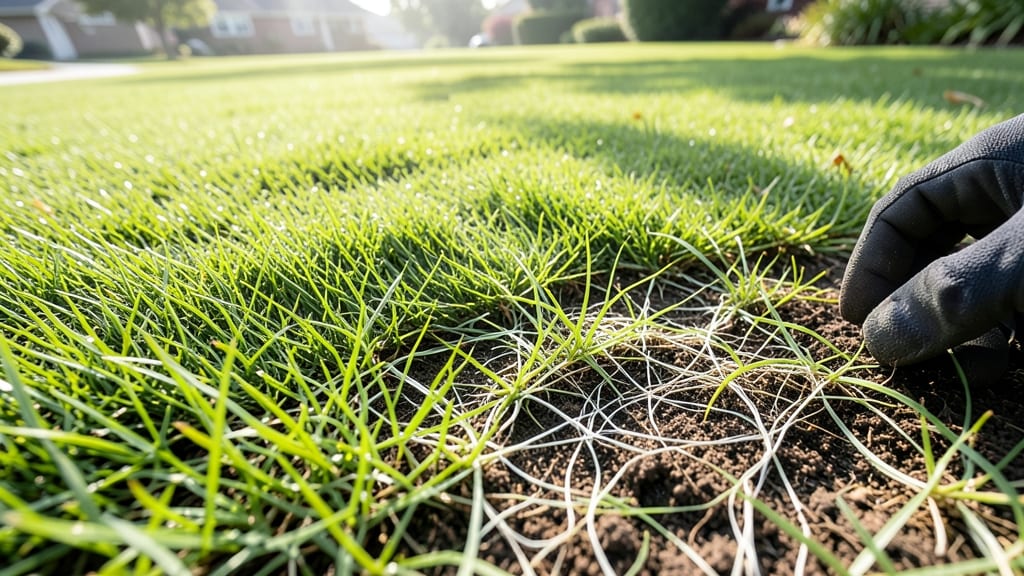
New Jersey lawns face unique weed challenges from crabgrass to poison ivy. These 10 persistent weeds and their targeted removal methods will help you reclaim your yard without harsh chemicals or wasted effort.
Crabgrass Identification and Prevention Tips
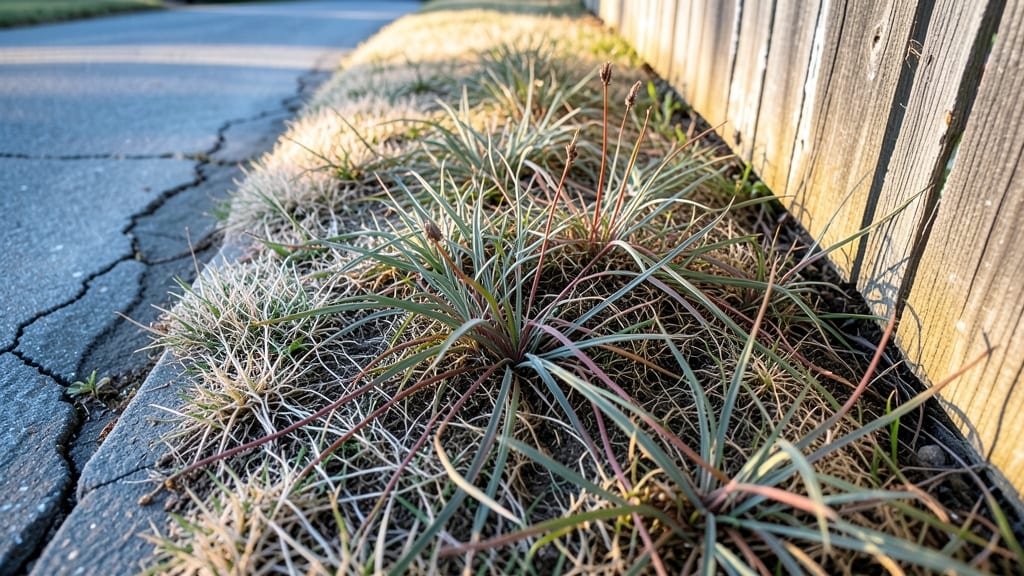
Crabgrass is NJ’s most relentless summer lawn invader, spreading through thin grass like a creeping carpet if you don’t act fast. This grassy weed thrives in bare spots, sidewalks, and driveways, sending out long, fibrous roots that strangle your turf.
Spot it by its reddish stems and coarse, fan-shaped blades that grow in clumps. The key to prevention? Apply a pre-emergent herbicide in early spring (March–April) before seeds germinate. For existing patches, smother with thick mulch or shade cloth to block sunlight, or dig out roots completely to prevent regrowth.
This weed is especially aggressive in hot, dry NJ summers, so prioritize lawn repair in spring to deny it entry points. Homeowners with kids or pets will appreciate chemical-free prevention like corn gluten meal, which naturally suppresses seed growth. 💪
Dandelion Root Extraction Techniques
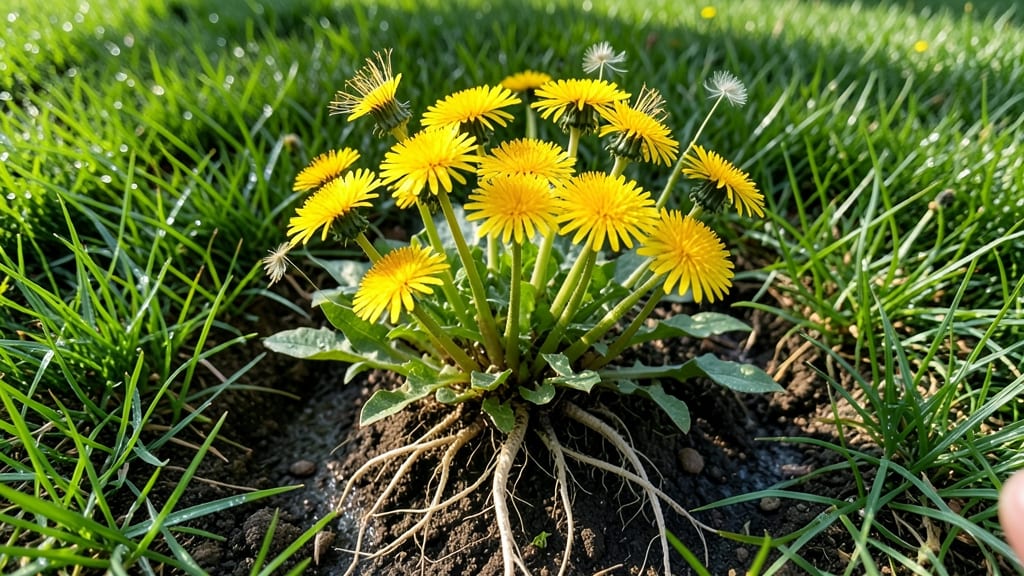
Those bright yellow dandelions popping up in your lawn aren’t just pretty—they’re stubborn perennials with roots that can grow up to 12 inches deep. Unlike annual weeds, they’ll keep coming back year after year unless you tackle the root system properly.
Start by waiting until the soil is moist (after rain or watering) to loosen the earth around the roots. Grab the dandelion near the base with one hand, then use a pull-and-twist method: grasp the stem firmly and twist counterclockwise while pulling upward. This breaks the taproot cleanly—no regrowth! For stubborn roots, use a dandelion digger or fork to pry them out completely.
This method works best for early spring removal before seeds form, and it’s perfect for beginners or eco-conscious gardeners who want to avoid chemicals. Just don’t forget to dispose of the roots—composting them can spread the weed! 🌱
Poison Ivy Elimination Strategies
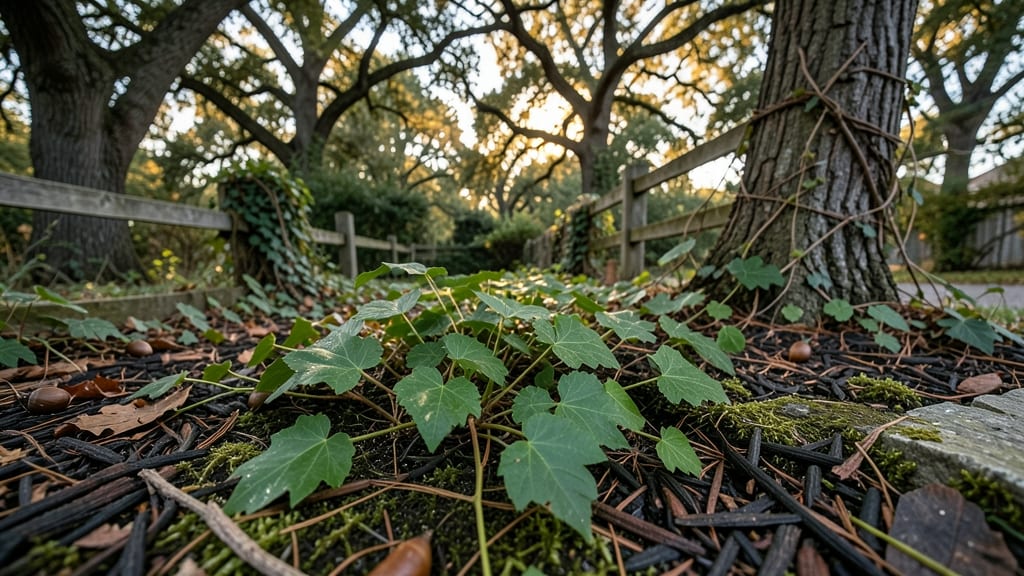
If you've spotted three-leaf clusters in your shady NJ yard, you're likely dealing with poison ivy—a persistent native weed that thrives in low-light conditions and poses serious risks to pets and children. Unlike sun-loving weeds, poison ivy often hides in mulch beds, along fences, and under trees, making it harder to spot until it's already spreading.
For safe removal, start by wearing long sleeves, gloves, and goggles to avoid skin contact with the oil (urushiol), which causes severe rashes. Cut the vines at the base in early spring or fall when the plant is actively growing, then smother the roots with black plastic sheeting for 6-12 months to starve them. For small patches, dig out the roots carefully—even tiny fragments can regrow. Never burn poison ivy, as the smoke contains urushiol and can spread the rash.
This method is ideal for homeowners with kids or pets who frequent shaded areas, as it eliminates the risk of accidental exposure while keeping your yard safe and chemical-free. 💚
Clover Control Without Herbicides
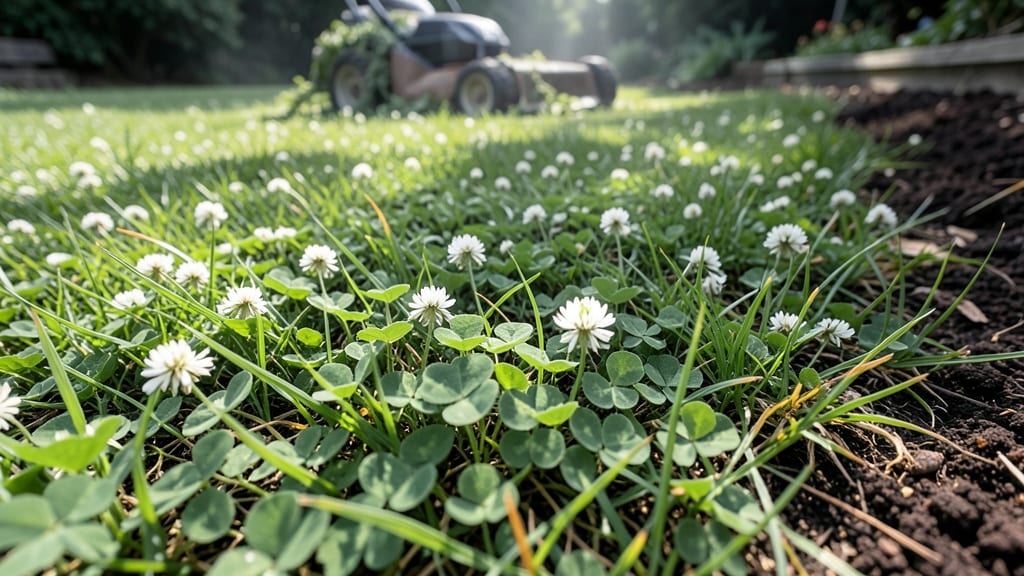
That patchy white clover in your lawn might seem harmless, but its nitrogen-fixing roots can actually strangle grass growth while improving soil fertility. The good news? You can suppress it organically without chemicals while still benefiting from its soil-enriching properties.
Start by mowing higher—3-4 inches—to shade out clover seeds and reduce flowering. Then, overseed with a dense grass mix like fine fescue in early fall, which crowds out clover naturally. For existing patches, hand-pull in spring when soil is moist, or smother with thick layers of cardboard and mulch in late summer to block sunlight.
This method works best for eco-conscious gardeners who want healthier soil without sacrificing lawn quality. Your grass will thank you—and so will the bees! 🌿
Nutsedge (Nutgrass) Management Guide
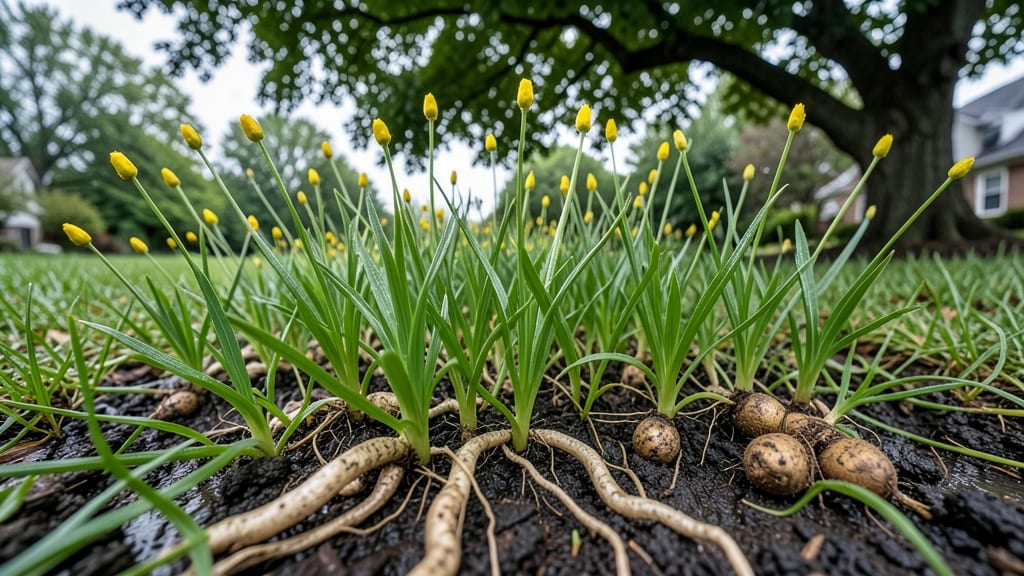
That tropical-looking weed with yellow nutlets popping up in your wet NJ lawn? That’s nutsedge, and it’s far more aggressive than it looks. Unlike other weeds, it spreads through underground tubers that regrow even after mowing, making traditional removal methods ineffective.
To starve it out, focus on soil moisture control—nutsedge thrives in damp conditions, so improve drainage with sand or organic matter. Apply a thick layer of mulch (3-4 inches) to block sunlight, which weakens the tubers over time. For stubborn patches, dig out the nutlets (the yellow seed-like structures) by hand, wearing gloves to avoid skin irritation.
This method works best for home gardeners dealing with small infestations. While it requires patience, consistent effort will prevent nutsedge from taking over your yard’s edges and flower beds. 💪
Chickweed Eradication Methods
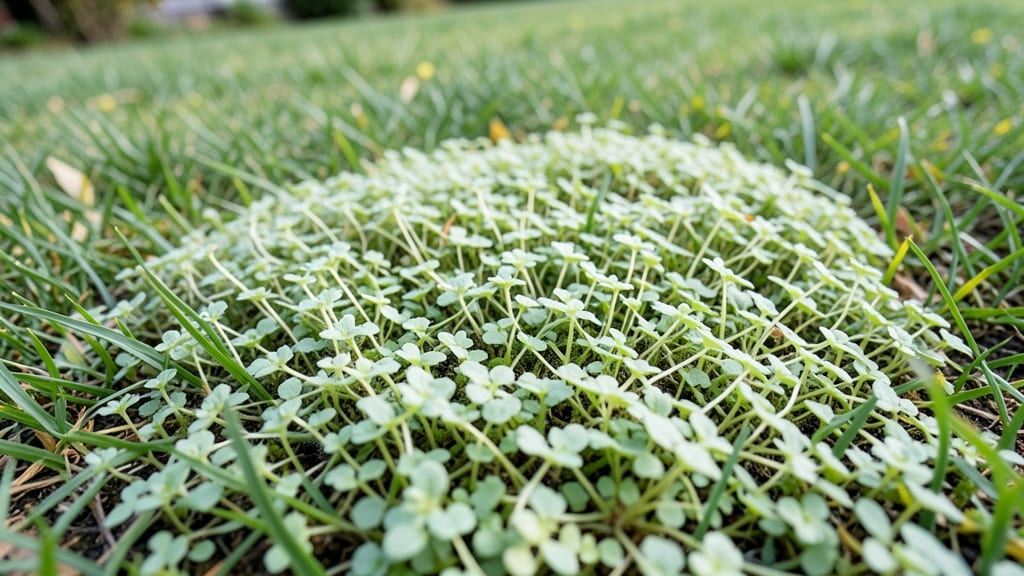
That soft, sprawling green carpet creeping across your cool-season NJ lawn? It’s likely chickweed—a delicate-looking annual that multiplies fast when others slow down. Unlike tougher weeds, its shallow roots make removal surprisingly simple without harming your grass.
Start by hand-pulling chickweed when soil is moist (after rain or watering) to avoid breaking stems. For stubborn patches, apply a corn gluten meal pre-emergent in early spring to prevent seeds from sprouting. Mowing high (3-4 inches) shades out new growth, while a thick lawn leaves no room for chickweed to establish.
This method works best for eco-conscious gardeners who want weed-free lawns without chemicals. The key is consistency—chickweed spreads quickly, but so does your grass when you give it the right conditions. 💚
Plantain Weed Elimination Techniques
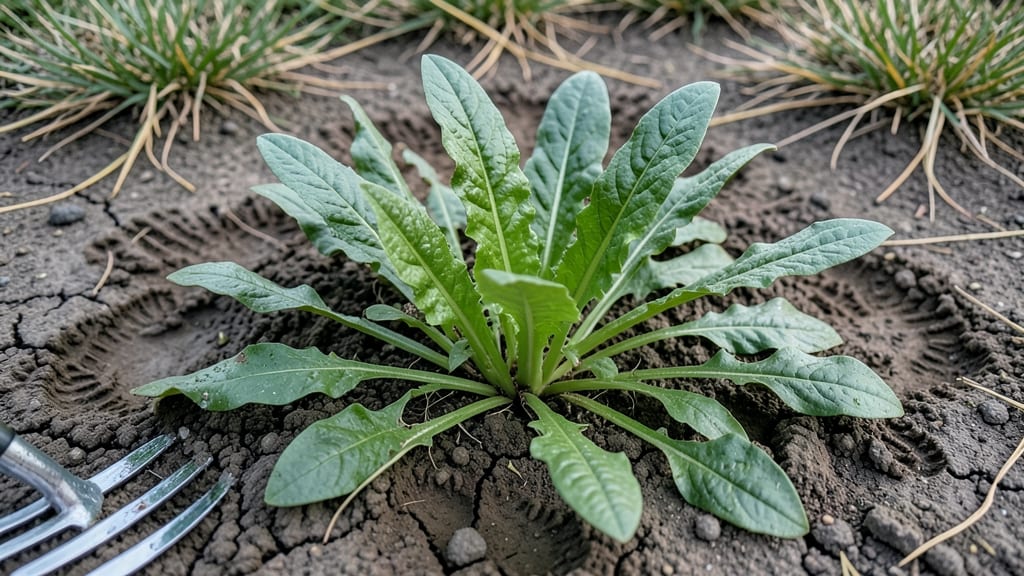
Tired of plantain weeds popping up like stubborn volunteers in your compacted NJ soil? These broadleaf weeds thrive where grass struggles, but their tough leaves make them harder to pull than they look. The key isn't brute force—it's timing and technique.
Start by loosening the soil with a garden fork before pulling, as plantain roots run deep. For maximum effectiveness, remove weeds when the soil is moist (after rain or watering) and grasp the base firmly to avoid breaking the plant. A follow-up treatment of corn gluten meal (a natural pre-emergent) can prevent regrowth by inhibiting seed germination. Repeat every 4-6 weeks during growing season for best results.
This method works especially well for homeowners with heavy foot traffic or clay-heavy soils, where plantain loves to establish itself. With persistence, you'll see fewer of these weeds crowding your lawn. 💪
Moss Removal for Shady NJ Lawns
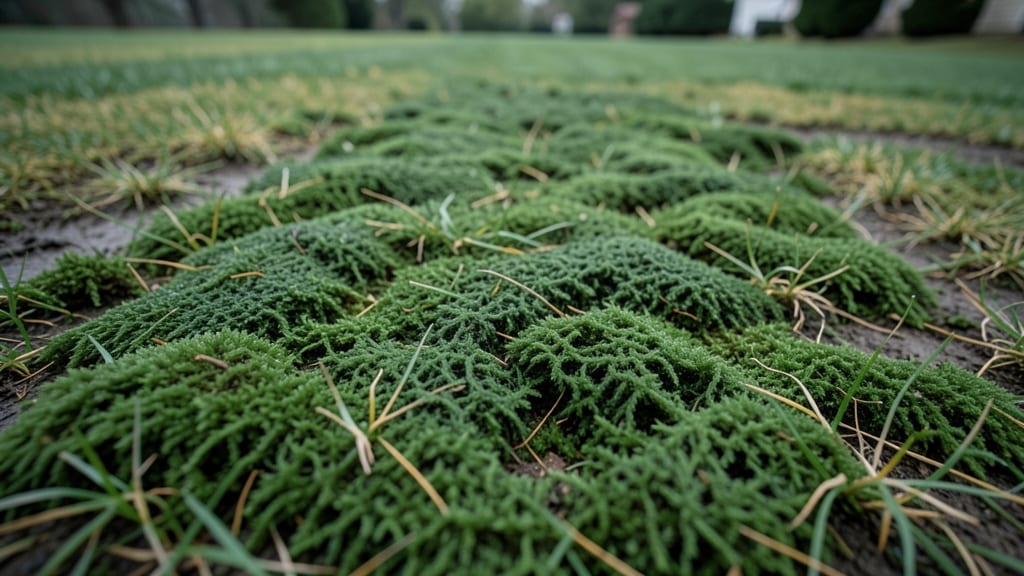
That velvety green moss carpeting your shady NJ lawn might look picturesque, but it’s actually starving your grass by blocking sunlight and moisture. Unlike true weeds, moss thrives in damp, acidic conditions—common in New Jersey’s shaded yards—and prevents grass roots from establishing properly.
Start by raking out the moss in dry conditions, then improve drainage with a layer of sand or compost to create a more grass-friendly environment. Overseed with shade-tolerant grasses like fine fescue, and consider a light nitrogen fertilizer to encourage grass growth. For stubborn patches, a vinegar solution (1 gallon vinegar + 1 oz dish soap) can help kill moss without harming nearby plants.
This approach is perfect for homeowners with shady lawns who want to restore grass without harsh chemicals. With patience, your lawn will regain its lush, weed-free appearance. 🌱
Bindweed (Morning Glory) Control
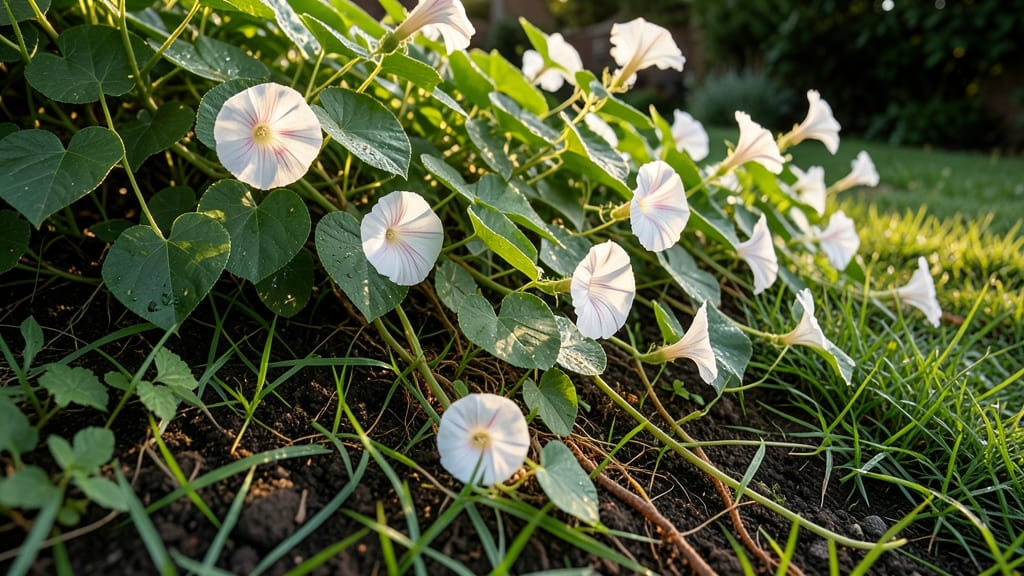
If you’ve ever spotted delicate white trumpet-shaped flowers climbing over your garden beds or smothering your lawn, you’re likely dealing with bindweed—a relentless imposter that mimics the beauty of morning glories while choking out your plants. Unlike annual weeds, this perennial vine can live for years, sending down deep roots that make it nearly impossible to eradicate with a single pull.
To break its life cycle, focus on two critical strategies: first, cut the vines at ground level (not pull) during the dormant season (late fall or early spring) to deplete root energy reserves. Then, apply a thick layer of mulch (at least 4 inches) or black plastic to block sunlight and starve the roots. Repeat this process for 2-3 years—patience is key, as bindweed roots can extend 15 feet deep in some cases. For stubborn patches, consider vinegar-based herbicides (20-30% acetic acid) applied directly to the foliage on sunny days.
This method works best for home gardeners tackling established bindweed, though it requires consistency. The good news? Once you’ve weakened its roots, you’ll reclaim space for desired plants without resorting to harsh chemicals. 🌿
Grass Weeds Identification and Treatment

If your lawn looks lush but you're noticing thin patches where creeping bentgrass or other grassy weeds have taken over, you're not alone. These invasive grasses mimic your desired turf but spread aggressively through underground rhizomes, making them harder to spot and eliminate than broadleaf weeds.
Start by identifying the difference: grassy weeds like bentgrass or nutsedge have long, narrow leaves with parallel veins, while your turfgrass typically has wider blades. For removal, use a selective herbicide labeled for grassy weeds in early spring when weeds are actively growing. Follow up with a corn gluten meal pre-emergent in late fall to prevent regrowth. Hand-pulling is effective for small patches, but be sure to remove the entire rhizome system to avoid recurrence.
Homeowners with high-maintenance turf or those who prefer organic methods will benefit most from this targeted approach. Regular mowing at the correct height (3-4 inches) also helps suppress grassy weeds by reducing their ability to spread. 🌱