
Lawn
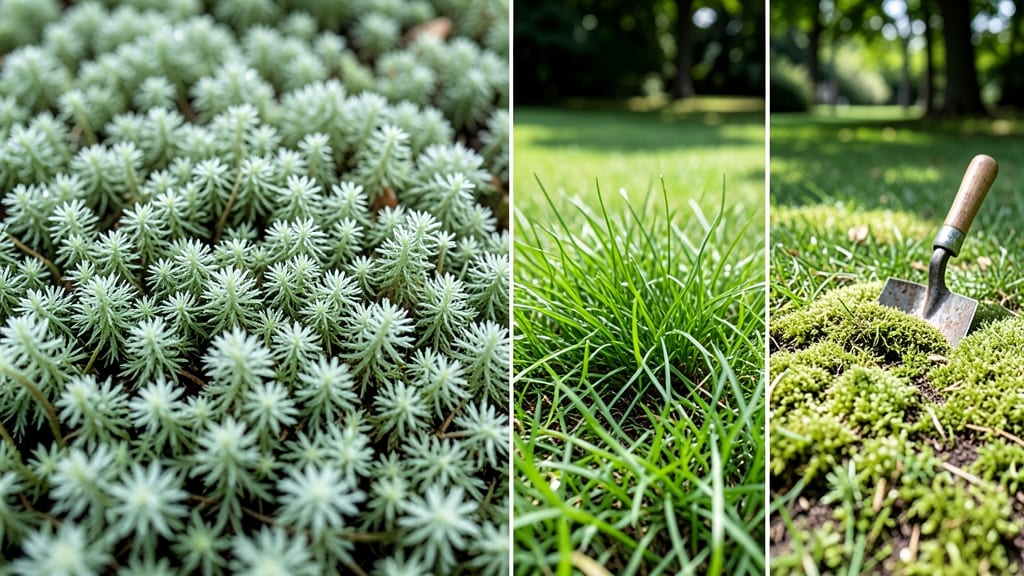
That soft green carpet creeping across your lawn isn’t grass—it’s moss, and it’s telling you your yard needs attention. 🌱 Vinegar isn’t just for cleaning; when used right, it’s a fast-acting, organic way to banish moss without harming your grass.
The secret lies in its acidity, which breaks down moss while leaving soil and grass roots unharmed when applied correctly. Most people blame moss on "bad lawns," but the truth is more about your yard’s conditions: too much shade, compacted soil, or poor drainage create the perfect moss paradise.
I’ve seen lawns go from mossy to lush in a single season by fixing these issues—no harsh chemicals needed. The vinegar treatment works in hours, but the real fix comes from improving your lawn’s health over time.
You’ll end up with a lawn that stays moss-free, looks thicker, and handles rain better. The key is combining spot treatments with long-term care—think of it like giving your lawn a spa day after years of neglect.
By the end, your neighbors will ask for your secret (and you’ll have one). This method works for shady lawns, clay soil, or even those stubborn patches near trees. Let’s get your lawn back to where it belongs—under grass, not moss.
The Hidden Causes Behind Lawn Moss
That lush, emerald-green carpet of moss creeping across your lawn isn’t just a random nuisance—it’s a clear sign your yard is sending out distress signals. Understanding the root causes (pun intended) of moss growth helps you address the problem at its source, not just slap on a quick fix.
Here’s why moss takes over, backed by science and actionable insights.
Moss thrives in wet conditions because it lacks deep roots and absorbs water through its leaves. If your lawn stays damp for long periods, moss sees it as an all-you-can-eat buffet. Here’s why it happens:
- Poor Drainage: Clay-heavy soil or compacted ground repels water, causing puddles and soggy spots. Moss loves these permanently moist zones like a sponge.
- Shady, Low-Light Areas: Grass struggles to grow in shade, leaving bare soil that stays damp longer. Moss, however, photosynthesizes efficiently in low light—making it the perfect opportunist.
- Overwatering or Frequent Rain: If your sprinkler runs too long or your region gets consistent heavy rain, moss gets the upper hand. It can even grow on wet concrete or sidewalks if conditions are right!
💡 Pro Tip: Test your soil’s drainage by digging a 6-inch hole, filling it with water, and timing how long it takes to drain. If it’s slower than 4 hours, your lawn is at risk for moss.
Moss doesn’t just appear out of nowhere—it replaces struggling grass. When your lawn is weak, moss moves in like a tenant taking over a vacant apartment. Common reasons grass fails:
- Compacted Soil: Heavy foot traffic, pets, or machinery crushes soil, cutting off grass roots from air and nutrients. Without a strong root system, grass dies off, leaving bare patches for moss.
- Nutrient Deficiencies: Grass needs nitrogen, phosphorus, and potassium to stay thick. If your soil is depleted (common in older lawns), moss outcompetes weak grass.
- Disease or Pest Damage: Fungal infections (like brown patch) or grubs munching on roots leave patches of dead grass—moss’s favorite real estate.
- Wrong Grass Type: Cool-season grasses (like fescue) handle shade better than warm-season grasses (like Bermuda). If you planted the wrong type for your climate, moss wins by default.
🔥 Action Step: Conduct a soil test to check pH and nutrient levels. Moss prefers acidic soil (pH 4.5–6.0), while most grasses thrive at 6.0–7.5. Adjust with lime if needed!
Moss isn’t picky about temperature—it hates heat and drought but loves cool, humid conditions. If you live in:
- A Pacific Northwest or New England climate with mild summers and wet winters.
- A shady, wooded yard where sunlight is scarce.
- A coastal area with high humidity and frequent fog.
…then moss is probably hardwired to dominate your lawn. It goes dormant in extreme heat but rebounds aggressively when temperatures drop and moisture returns.
✨ Climate Workaround: If you can’t move, improve airflow by trimming overhanging trees and aerate compacted soil to help grass outcompete moss.
Most grasses prefer neutral to slightly alkaline soil (pH 6.0–7.5), but moss craves acidic soil (pH below 6.0). Here’s why:
- Natural Decomposition: Leaves, pine needles, and organic matter break down into acidic humus, lowering pH over time.
- Peat Moss or Compost Overuse: Adding too much organic material (like peat moss) can accelerate acidification, giving moss the perfect growing medium.
- Lack of Lime: If you’ve never amended your soil, it may already be too acidic for grass.
📊 Test Your Soil: Use a DIY pH test kit (or send a sample to a lab). If the pH is below 6.0, apply pelletized lime in early fall to raise it gradually.
Now that you know why moss moves in, the next step is smart removal and prevention—starting with the right tools (like vinegar-based treatments) to kick it out for good. 🚀
How to solve it
H2: Fixing Your Lawn’s Green Problem
If your lawn has developed patches of green moss where grass refuses to grow, don’t panic—this is a fixable issue! The right approach depends on the root cause, whether it’s shade, poor drainage, compacted soil, or high moisture.
Below, we’ve mapped out targeted solutions to eliminate moss and restore a lush, grassy lawn. Plus, we’ll share prevention tips to keep it moss-free for good.
---
If moss thrives in shady spots where sunlight barely reaches, the fix involves lightening up the competition and improving grass resilience.
- 🍳 Thin the moss layer: Use a stiff plastic rake or a vinegar-based solution (1 part white vinegar to 1 part water) to kill moss without harming soil. Spray directly on affected areas, then rinse after 30 minutes.
- 👨🍳 Plant shade-tolerant grass: Replace moss with fine fescue, creeping red fescue, or St. Augustine grass, which thrive in low-light conditions.
- ⏰ Improve airflow: Trim overhanging tree branches or thin dense shrubs to let more sunlight penetrate the lawn.
💡 Pro Tip: Avoid heavy foot traffic in shady areas—moss loves compressed soil!
---
If your lawn stays soggy after rain, moss will move in like an uninvited guest. The solution? Drainage + competition.
- 🔪 Core aerate the lawn: Rent a core aerator to pull out plugs of soil, creating channels for water to escape. Do this in spring or fall for best results.
- 🏗️ Level low spots: Use a topsoil mix to fill depressions where water pools. Add a sand-perlite blend to improve drainage.
- ✨ Overseed with drought-resistant grass: Choose tall fescue or Kentucky bluegrass, which outcompete moss in moist but well-drained soil.
💡 Pro Tip: Test your soil’s pH—moss loves acidic soil (pH 5.0–6.0). If needed, apply lime to raise pH to 6.5–7.0.
---
When soil is packed down—often from heavy foot traffic or machinery—water and air can’t reach grass roots, leaving moss to take over.
- 🔥 Loosen the soil: Use a spike aerator or manually dig small holes (2–3 inches deep) to break up compaction.
- 🌱 Add organic matter: Mix in compost or peat moss to improve soil structure and water retention.
- 🏃♂️ Reduce traffic: Designate walkways or play areas to prevent further soil compression.
💡 Pro Tip: Top-dress with a sand-compost blend annually to keep soil fluffy and grass-friendly.
---
If your region is naturally wet or you water too frequently, moss will spread like wildfire. The key? Control moisture and crowd it out.
- 💦 Adjust watering habits: Water deeply but less often (1–1.5 inches per week) to encourage deep grass roots.
- 🌿 Apply a pre-emergent herbicide: Use a corn gluten-based product to prevent moss spores from germinating (safe for grass).
- 🌱 Thicken grass coverage: Overseed bare spots with dense, aggressive grasses like perennial ryegrass.
💡 Pro Tip: Install French drains or swales in problem areas to divert excess water.
---
Once you’ve banished moss, keep it from returning with these long-term strategies:
- 📊 Mow high: Set your lawnmower to 3–4 inches to shade out moss and strengthen grass.
- 💪 Fertilize regularly: Use a balanced, slow-release fertilizer (like 16-4-8) to keep grass healthy and competitive.
- 🌡️ Monitor soil pH: Test yearly and adjust with lime (to raise pH) or sulfur (to lower pH) as needed.
- 🌱 Overseed thin areas: Fill bare patches in early fall for a dense, moss-resistant lawn.
✨ Bonus: Spread compost or leaf mold in spring to improve soil health naturally.
Frequently asked questions
Why does moss grow in some areas of my lawn but not others?
Moss targets specific conditions: shady spots, compacted soil, or areas with poor drainage. Grass struggles in these zones, while moss thrives in damp, low-light environments. Check for tree shade, foot traffic patterns, or low spots where water pools after rain.
Is vinegar safe to use on my entire lawn, or just spot treatments?
Vinegar works best as a spot treatment—it’s too harsh for full lawn applications. Use a 1:1 vinegar-water mix on moss patches only, then rinse after 30 minutes. Avoid treating grassy areas, as vinegar can burn healthy blades. For large areas, focus on fixing drainage or soil pH first.
How long does it take for moss to disappear after treatment?
With vinegar, you’ll see results in 24–48 hours—the moss turns brown and dies. However, regrowth happens if underlying issues (like shade or moisture) aren’t fixed. For permanent removal, combine treatments with soil aeration and overseeding to crowd out moss naturally.
Can I prevent moss by just mowing higher?
Mowing at 3–4 inches helps shade out moss and strengthens grass roots, but it’s not a standalone fix. Pair it with regular fertilization, proper watering (deep but infrequent), and soil pH adjustments to create a moss-resistant lawn. Think of it as a first line of defense, not the full solution.
Will lime really stop moss from coming back?
Yes! Moss loves acidic soil (pH below 6.0), while grass prefers neutral pH (6.0–7.5). Apply pelletized lime in early fall to raise pH gradually. Test your soil first—if pH is already 6.5+, focus on drainage or aeration instead. Lime takes 2–3 months to fully adjust soil.