
Lawn
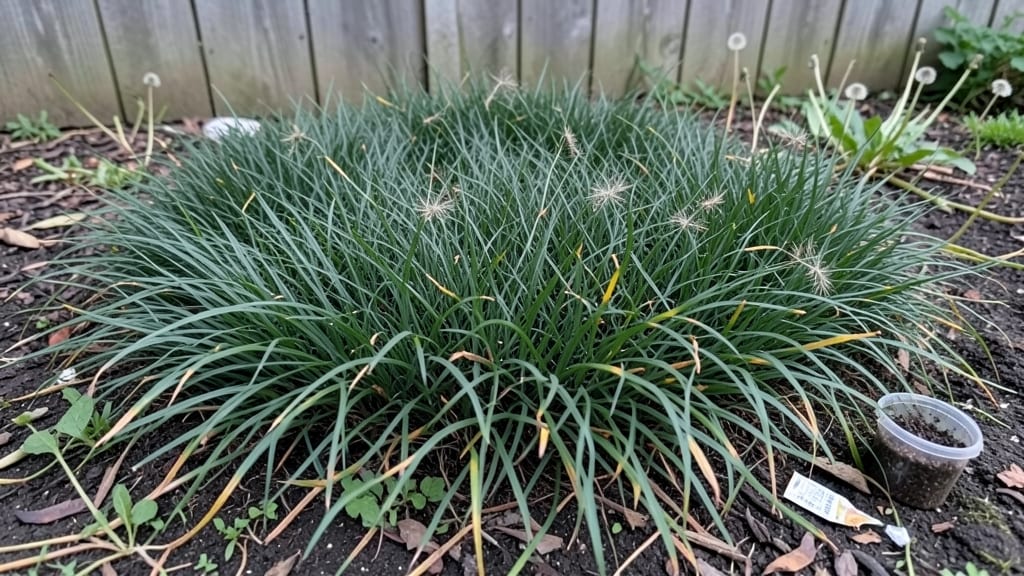
Growing kikuyu grass from seed delivers a lush, drought-tolerant lawn in just 14-21 days—faster than most turf varieties. I’ve seen bare patches transform into vibrant green carpets within weeks, and the secret lies in mimicking its native tropical conditions.
The key isn’t just throwing seeds down; it’s about temperature, moisture, and a little patience to outsmart common germination hurdles.
You’ll need a sunny spot with well-draining soil, a rake for seedbed prep, and a hose for gentle watering—no fancy equipment required. Kikuyu thrives in warm climates (zones 8-11) but can handle brief cold snaps once established.
The fastest results come from direct seeding in spring or early summer, though transplanting young seedlings works too if you’re in a hurry.
Expect to see sprouts within 7-10 days if conditions are right—think warm soil (75°F+), consistent moisture, and shade during the day to prevent drying. The first week is critical; keep the seedbed damp like a wrung-out sponge, and avoid walking on it.
Within a month, you’ll have a dense turf that crowds out weeds and stays green even when other lawns brown.
Here’s the game-changer: once established, kikuyu spreads aggressively, filling gaps faster than mowing. It’s perfect for high-traffic areas, sports fields, or anyone tired of patchy grass. Just don’t let it creep into garden beds—it’s a tough neighbor once it takes root. Let’s get those seeds in the ground!
📚 In This Guide
- What you need
- Instructions
- Tips and common mistakes
- Wrapping up and next steps
What you need
- ● Kikuyu grass seed: 1–2 lbs (0.5–1 kg) per 100 sq. ft. (Choose high-quality, certified seed for best results.)
- ● Lawn soil or topsoil: 2–3 inches (5–7.5 cm) depth, well-draining and slightly acidic (pH 5.8–6.5).
- ● Compost or organic fertilizer: 1–2 lbs (0.5–1 kg) per 100 sq. ft. (Balanced 10-10-10 or slow-release formula works well.)
- ● Water: Consistent access to a hose or irrigation system (Kikuyu loves moisture!).
- ● Lawn mower or string trimmer: For clearing existing grass/weeds (rent if needed).
- ● Garden rake: To level soil and remove debris.
- ● Broadcast spreader: For even seed distribution (manual or mechanical).
- ● Garden hose with adjustable nozzle: For gentle watering.
- ○ Soil pH test kit (optional): To check and adjust soil acidity if needed.
- ○ Mulch or straw (optional): Light layer to retain moisture and protect seeds.
- ● Sunlight: Full sun (6+ hours daily) for optimal growth.
- ● Warm climate: Ideal for USDA zones 9–11 (or frost-free regions).
- ● Clear weather: Plant seeds during dry, warm spells (avoid rain for 24–48 hours post-planting).
Step-by-step instructions for establishing Kikuyu grass from seed
Here’s how to get a lush, tropical lawn in record time—just follow these proven steps.
Prepare the Soil for Optimal Germination
Kikuyu thrives in well-drained, fertile soil with a pH between 6.0 and 7.5. Start by removing all weeds, rocks, and debris from your lawn area using a rake or sod cutter. The goal is a clean, level surface with no obstructions that could hinder seed-to-soil contact.
Loosen the top 4 to 6 inches of soil using a garden tiller or broadfork. This aeration encourages root penetration and prevents compaction, which can suffocate young seedlings. If your soil is heavy clay, mix in 2 to 3 inches of coarse sand to improve drainage—Kikuyu hates soggy roots. After tilling, smooth the surface with a leveling rake to eliminate low spots where water could pool.
Apply Fertilizer and Seed Evenly for Uniform Growth
Spread 1 pound of 10-10-10 slow-release fertilizer evenly across the prepared area using a broadcast spreader. Work the fertilizer into the top 1 to 2 inches of soil with a rake or hoe. This ensures nutrients are available as soon as the seeds germinate, fueling rapid growth.
Next, scatter the 10 pounds of Kikuyu grass seed at a rate of 8 to 10 pounds per 1,000 square feet. Use a spreader set to a medium setting for even distribution—uneven seeding leads to patchy lawns. Lightly rake the area again to press seeds into the soil just enough to ensure good contact, but avoid burying them more than ¼ inch deep. Deeper planting slows germination, and Kikuyu seeds need light to sprout efficiently.
Water Strategically to Encourage Fast Germination
Water the seeded area lightly but frequently for the first 7 to 10 days, keeping the top ½ inch of soil consistently moist. Use a gentle misting nozzle or soaker hose to avoid dislodging seeds. The key is maintaining moisture without creating a soggy mat—Kikuyu seeds rot if waterlogged. Aim for ¼ inch of water per day, split into two applications (morning and evening).
Once the seedlings emerge—typically within 7 to 14 days—switch to deeper watering, soaking the soil to 2 inches deep every 2 to 3 days. This encourages root development and strengthens the grass against drought. Avoid walking on the lawn until the grass reaches 3 inches tall, as compacted soil stunts growth.
Maintain Moisture and Monitor for Weeds
After 4 to 6 weeks, when the Kikuyu reaches 4 to 6 inches tall, gradually reduce watering to 1 inch per week to harden the grass. This prepares it for tropical conditions where rainfall is intermittent. Mow the lawn when it hits 3 to 4 inches, cutting no more than ⅓ of the blade height at a time. Sharpen your mower blade first—dull blades tear grass, inviting disease.
Vigilance against weeds is critical during the first 8 weeks. Hand-pull any broadleaf weeds immediately, as they compete for nutrients. If weeds persist, apply a pre-emergent herbicide labeled for warm-season grasses, but wait until the Kikuyu is fully established (about 6 weeks old) to avoid damaging your new turf.
Transition to Low-Maintenance Tropical Care
Once the lawn is fully established (after 8 to 12 weeks), adjust your routine to match Kikuyu’s low-maintenance nature. Water deeply 2 to 3 times per week during dry spells, allowing the soil to dry slightly between waterings. This prevents fungal issues while keeping the grass resilient. Mow every 7 to 10 days during the growing season, raising the blade to 3 to 4 inches in summer to shade the soil and retain moisture.
Fertilize twice a year: apply ½ pound of 10-10-10 fertilizer per 1,000 square feet in early spring and late summer. Avoid over-fertilizing—Kikuyu grows aggressively and can become invasive if overfed. With proper care, your lawn will thicken into a dense, drought-tolerant carpet perfect for tropical climates.
Tips & tricks for perfect Kikuyu grass establishment
Establishing Kikuyu grass from seed is all about precision in preparation and consistency in care. These key insights will help you achieve that lush, tropical lawn in record time.
Soil Preparation is Non-Negotiable: The 4 to 6 inches of aeration in Step 1 is critical—don't skip this step. I've seen too many lawns fail because of compacted soil. Use a broadfork instead of a tiller if your soil is particularly dense; it provides better aeration without disrupting the soil structure. For clay-heavy soils, that 2 to 3 inches of coarse sand makes all the difference in preventing waterlogged conditions that Kikuyu despises.
Seed Depth and Distribution Matter More Than You Think: When scattering the 10 pounds of seed at 8 to 10 pounds per 1,000 square feet, walk in a crisscross pattern for even coverage. The ¼-inch depth guideline is firm—any deeper and you'll delay germination by weeks. I recommend using a seed spreader with a medium setting and calibrating it beforehand by spreading seed on a tarp to verify coverage. Uneven distribution is the #1 cause of patchy lawns.
Watering Precision Prevents Common Failures: During those first 7 to 10 days of light, frequent watering, aim for that ¼ inch per day split into morning and evening. Use a rain gauge or tuna can to measure—eyeballing leads to either underwatering or drowning your seeds. Once seedlings emerge (7 to 14 days), increase depth to 2 inches every 2 to 3 days. The key is maintaining consistent moisture without creating anaerobic conditions that suffocate roots.
Weed Vigilance in the Critical Window: The first 8 weeks are your weed battle zone. I can't stress enough how important it is to hand-pull weeds immediately—they'll steal nutrients from your young Kikuyu. Wait until week 6 to apply pre-emergent herbicide, as instructed, but be meticulous about timing. Applying too early can harm your seedlings, while waiting too long gives weeds a competitive advantage.
Pro Tips for Kikuyu Grass From Seed
- Establishing Kikuyu grass from seed is all about precision in preparation and consistency in care.
- Soil Preparation is Non-Negotiable: The 4 to 6 inches of aeration in Step 1 is critical—don't skip this step.
- Seed Depth and Distribution Matter More Than You Think: When scattering the 10 pounds of seed at 8 to 10 pounds per 1,000 square feet, walk in a crisscross pattern for even coverage.
Frequently asked questions
Got questions about growing kikuyu grass from seed? You’re not alone! Here are some of the most common queries—and their straightforward answers—to help you crush your lawn project with confidence.
How long does it take for kikuyu grass seed to germinate?
Kikuyu grass seeds typically sprout within 7 to 14 days under ideal conditions—warm soil (70–85°F), consistent moisture, and partial shade. For faster results, pre-soak seeds for 24 hours or use a seed starter solution. Patience pays off, but if nothing sprouts after 3 weeks, check soil temperature or seed viability.
Can I grow kikuyu grass from seed in full sun?
While kikuyu thrives in full sun to partial shade, it’s best to start seeds in partial shade (3–6 hours of sun/day) for the first 4–6 weeks. Once seedlings are 2–3 inches tall, gradually expose them to full sun to avoid stress. In hot climates, afternoon shade can prevent seedling burn.
What’s the best time of year to plant kikuyu grass seed?
Plant seeds during the warmest months of your region—spring to early summer (March–June in most tropical zones). Avoid planting during extreme heat (above 90°F) or cold snaps. For year-round growth in warm climates, plant in late summer (August–September) to establish roots before winter rains.
Why isn’t my kikuyu grass growing thick and green?
Thin or patchy kikuyu? Check these fixes:
- Watering issues: Keep soil consistently moist (not soggy) for the first 30 days. Drought stress = weak growth.
- Nutrient deficiency: Fertilize with a high-nitrogen lawn fertilizer (e.g., 30-10-10) every 6–8 weeks.
- Competition: Remove weeds or competing grasses before planting.
- Mowing too short: Wait until grass is 3–4 inches tall before mowing to avoid scalping.
Are there alternatives to kikuyu grass seed for fast-growing lawns?
If kikuyu isn’t your vibe, consider these fast-growing tropical lawn options:
Grass Type
Pros
Cons
St. Augustine
Drought-tolerant, shade-friendly, soft texture
Slow establishment, prone to chinch bugs
Centipede Grass
Low-maintenance, thrives in acidic soil
Poor cold tolerance, slow recovery from damage
Bermuda Grass
Heat/drought-resistant, aggressive spread
Invasive, requires frequent mowing
Pro tip: If you love kikuyu’s speed but want less invasiveness, try ‘Penncross’ or ‘Tifway’ hybrid bermuda—they’re faster than kikuyu in some regions!
Wrapping up and next steps
Growing Kikuyu grass from seed is a rewarding way to create a lush, fast-growing lawn in tropical climates—especially if you love a vibrant, durable turf that recovers quickly. With the right prep work, patience, and care, you’ll soon enjoy a green space that’s both beautiful and low-maintenance. 🌱
Ready to take the next step? Start by testing your soil and gathering your supplies, then dive into planting your seeds with confidence. Before you know it, your dream lawn will be thriving—one blade at a time!