
Plants
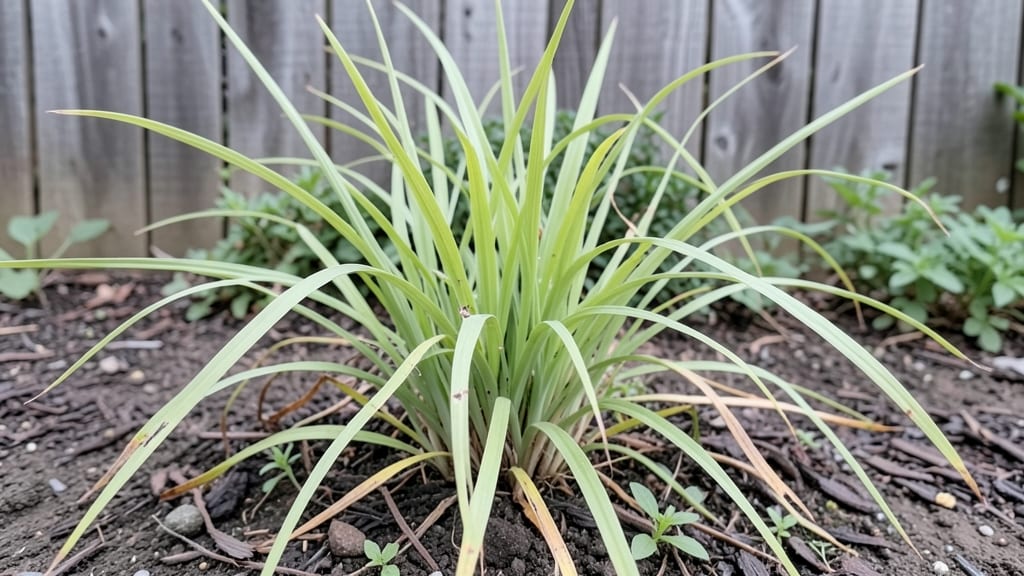
Lemon grass is not an annual—it grows as a hardy perennial in warm climates, continuing its life cycle year after year with consistent care. In colder regions, it may appear annual since it dies back during winter but reliably returns from its underground rhizomes each spring.
This tropical plant thrives in USDA zones 9-11, where it grows continuously, producing fresh stalks for cooking and crafts throughout the year. 🌿 The key to its longevity lies in its rhizome system—thick, horizontal roots that store energy and regenerate even after frost damage.
In colder zones, gardeners often dig up the rhizomes before the first freeze and store them in containers with slightly moist soil until spring planting."
What makes lemon grass unique is its ability to bounce back stronger after dormancy. Unlike true annuals that complete their entire life cycle in one season, lemon grass simply enters a resting phase.
This makes it a favorite among gardeners who want year-round access to its citrusy flavor without replanting every spring."
💡 In This Article
- Lemon Grass Lifespan: Perennial vs Annual Behavior
- How to Overwinter Lemon Grass in Cold Climates
Lemon grass lifespan: perennial vs annual behavior
Lemon grass (Cymbopogon citratus) belongs to the Poaceae family, which includes other hardy perennials like bamboo and sugarcane. Its botanical classification as a rhizomatous perennial means it grows from underground stems called rhizomes that store nutrients and energy.
In ideal tropical conditions (USDA zones 9-11), these rhizomes allow the plant to regenerate continuously, producing new shoots year after year without interruption. The plant's natural growth cycle mirrors other perennials like mint or ginger, which also rely on rhizome propagation rather than seeds for propagation.
The key difference between lemon grass and true annuals lies in its dormancy strategy. Annuals complete their entire life cycle in one season, but lemon grass simply enters a seasonal dormancy when temperatures drop below 50°F (10°C).
During this period, the above-ground growth dies back, but the rhizomes remain alive underground, protected by their insulating soil layer. This underground network can survive light frosts and even brief freezes, though prolonged exposure to temperatures below 20°F (-7°C) will kill the rhizomes.
The plant's ability to regenerate from these stored energy reserves is what truly defines its perennial nature.
In warmer climates, lemon grass exhibits aggressive growth habits, often spreading 2-3 feet annually through its rhizomes. Each mature plant can produce 20-30 stalks per season, with new growth emerging from the same rhizome system.
The plant's height typically ranges from 3-5 feet, with slender, grass-like leaves that release a potent citrus aroma when crushed. This continuous growth pattern makes it a reliable source for culinary use, unlike annual herbs that must be replanted each year.
Cold tolerance becomes the defining factor in determining whether lemon grass behaves like a perennial or annual in different climates. In USDA zones 8 and below, gardeners must take active measures to protect the rhizomes during winter.
Without intervention, the plant will die back completely, leading many to mistakenly classify it as annual. However, with proper overwintering techniques—such as digging and storing rhizomes indoors—the same plant can regenerate for 5-10 years or more, clearly demonstrating its true perennial nature.
The plant's regrowth mechanism is particularly fascinating. When spring temperatures rise above 60°F (15°C), the dormant rhizomes detect the warmth and begin producing new shoots within 2-4 weeks. This rapid regrowth is possible because the rhizomes contain pre-formed growth points that remain viable throughout dormancy.
The process mirrors how other perennials like asparagus or horseradish regenerate each spring, though lemon grass's tropical origin makes it more sensitive to cold stress than these temperate species.
What most gardeners don't realize is that lemon grass's perennial nature extends beyond its first year. Unlike many herbs that decline in vigor after 2-3 years, lemon grass can maintain strong growth for decades when given proper conditions.
The oldest recorded lemon grass plants in tropical gardens have been productive for over 15 years, with some reaching 6 feet in diameter through natural spread. This longevity makes it one of the most sustainable herbs for home gardeners in suitable climates.
The plant's adaptive flexibility is its greatest strength. In tropical regions, it grows continuously; in temperate zones, it simply takes a seasonal nap. This dual nature explains why lemon grass is classified as a perennial in botanical terms while appearing annual in colder climates without proper care.
Understanding this growth pattern allows gardeners to make informed decisions about cultivation methods based on their local climate conditions. 🌱