
Fertilization
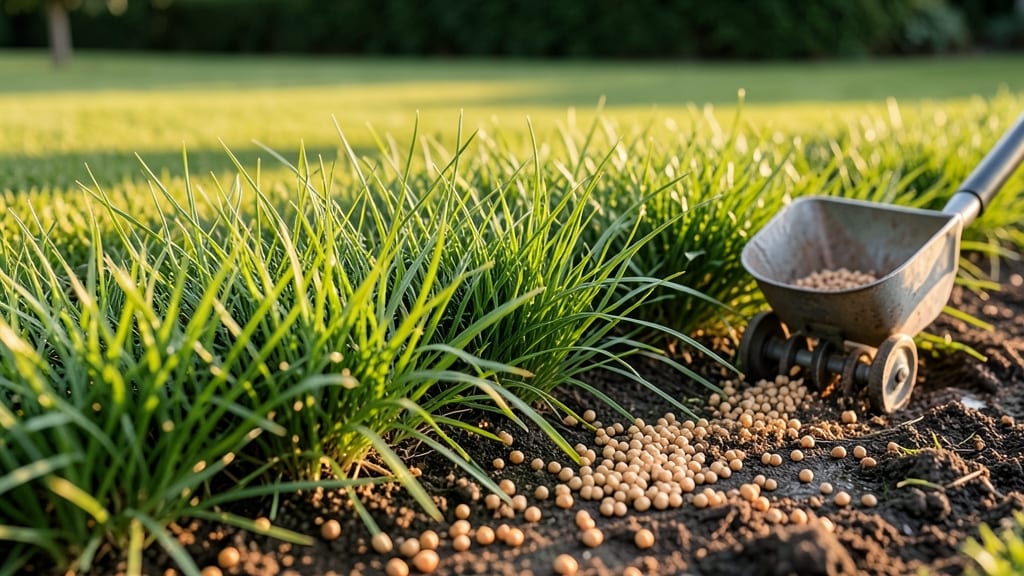
Grass fertilizer can be poisonous to pets, children, and wildlife if not handled properly, since it often contains concentrated nitrogen, phosphorus, and herbicides like 2,4-D or glyphosate. Always read labels carefully and apply according to directions to reduce hazards.
Many fertilizers contain synthetic chemicals designed to boost lawn growth, but these same ingredients can pose serious health risks when pets or kids come into contact with them. 🌱 For example, 2,4-D, a common herbicide, can cause vomiting, skin irritation, or even neurological issues if ingested.
Even organic fertilizers may contain high salt concentrations that can burn plants—or pets' paws—if overapplied. The best defense is applying fertilizer early in the morning or late evening when kids and pets are less likely to be outside, then rinsing the area thoroughly afterward.
If you suspect poisoning, watch for symptoms like drooling, lethargy, or difficulty breathing, and contact your vet or poison control immediately. Always store fertilizers in secure, childproof containers and consider organic alternatives like compost or manure-based products for safer lawn care.
💡 In This Article
- Toxic Components in Common Grass Fertilizers
- Safe Fertilizer Application for Families and Pets
Toxic components in common grass fertilizers
Most commercial grass fertilizers contain a potent mix of synthetic nutrients and herbicides that can be dangerous when improperly handled. The core trio—nitrogen (N), phosphorus (P), and potassium (K)—are essential for plant growth but become hazardous in concentrated forms.
For example, nitrogen in urea or ammonium nitrate can burn skin on contact and release toxic ammonia fumes when dry granules are disturbed. Phosphorus compounds, while less acutely toxic, can disrupt calcium metabolism in animals if ingested over time.
The real danger lies in the additives: herbicides like 2,4-D (a common weed killer) and glyphosate (found in Roundup) are designed to kill unwanted plants by interfering with their growth hormones.
In animals, these disrupt cell function differently—2,4-D can cause vomiting and neurological symptoms within hours, while glyphosate may lead to kidney damage with prolonged exposure. Even "weed-and-feed" products combine these chemicals in one formulation, creating a double risk for pets that might ingest grass clippings or chew treated areas.
Slow-release fertilizers pose another hidden threat because their granular form can linger in soil for months. When pets dig or children play, they may accidentally ingest these microscopic particles.
Liquid concentrates are particularly hazardous—they often contain 10-20% active ingredients by volume, meaning just a few drops can be lethal to small animals. The smell of fresh fertilizer (ammonia-like from urea) can also attract curious pets, who may lick their paws after walking on treated lawns.
What makes these chemicals so insidious is how they enter the body: ingestion (eating grass or contaminated soil), inhalation (dust from granules), and absorption (through skin or paws). For instance, a dog's paw pads have a high concentration of sweat glands, making them particularly vulnerable to absorbing herbicides.
The LD50 (lethal dose for 50% of test subjects) for 2,4-D in dogs is just 500 mg/kg—meaning a 20-pound dog could be at risk from less than a teaspoon of concentrated product.
Organic fertilizers aren't completely safe either. While they lack synthetic herbicides, they can contain high salt concentrations (from kelp meal or manure) that create alkaline burns on skin or digestive upset if ingested.
The key difference is dosage: organic products typically require 3-4 times more volume to achieve the same results, increasing the risk of overapplication and accidental exposure.
Here's what happens when these chemicals meet living tissue: nitrogen compounds like urea convert to ammonia, which irritates mucous membranes and lungs. Herbicides disrupt cellular processes by mimicking plant hormones, leading to rapid cell death in both plants and animals.
The most vulnerable systems in pets are the liver (which processes chemicals) and kidneys (which filter toxins), making young animals or those with pre-existing conditions particularly at risk.
For perspective, consider this: a single 10-pound bag of typical lawn fertilizer contains enough 2,4-D to be lethal to a small dog if ingested. Yet many pet owners don't realize their morning lawn care routine could be creating a toxic environment for their furry family members. 💫