
Lawn
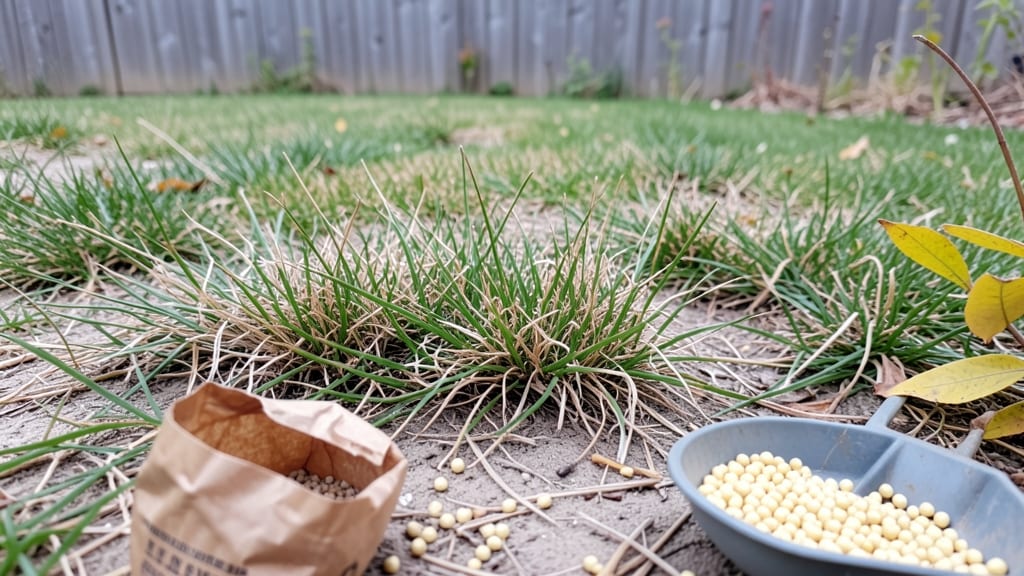
Turning brown grass green starts with understanding why it’s struggling—whether it’s drought, compacted soil, or hidden pests. I’ve seen lawns go from patchy and lifeless to lush and vibrant in just a few weeks by tackling the root cause.
The key isn’t just throwing water or fertilizer at the problem; it’s diagnosing what’s really holding your grass back.
Most people overlook the basics: checking soil moisture with a finger before watering, aerating compacted turf, or testing pH levels. My first year, I drowned my lawn trying to revive it—until I realized the roots were suffocating.
A simple core aeration and deep watering schedule transformed it in under two weeks. You’ll need a few tools—a rake, a soil test kit, and maybe a sprinkler—but the results are worth it.
By the end of this process, you’ll have grass that’s not just green but resilient—staying that way through heatwaves and droughts. The secret? A combination of proper hydration, the right nutrients, and a little patience.
Think velvety blades that bounce back after mowing, not just temporary color. Let’s get your lawn back to its best in no time.
This works for any type of grass, from cool-season fescue to warm-season Bermuda, and fits into any schedule. Whether you’re dealing with a small patch or a whole yard, the same principles apply. Here’s how to bring your lawn back to life—step by step.
Root Causes of Brown Grass
Brown grass isn’t just an eyesore—it’s a cry for help from your lawn. Understanding why it happens is the first step to reviving that lush green carpet. Below, we break down the most common culprits, backed by science, so you can pinpoint the issue and take action.
###
💧 Water Stress: The Silent Killer
Grass is 90% water when healthy, and even a short drought can trigger stress. When soil moisture drops below 40-50% of its capacity, roots shrink, cells collapse, and chlorophyll production grinds to a halt—leaving your lawn a dull brown.
- Overwatering vs. underwatering: Too much water suffocates roots by displacing oxygen, while too little causes dehydration. Both scenarios lead to browning, but the fixes differ.
- Evaporation spikes: Hot, windy, or sunny days (especially in summer) accelerate moisture loss. Grass like Kentucky Bluegrass wilts faster than drought-tolerant Buffalo Grass.
- Poor drainage: Compacted or clay-heavy soil traps water at the surface, starving deeper roots. A simple percolation test (pouring water on soil and timing drainage) can reveal if your lawn is drowning.
Pro tip: 🌡️ Water deeply 2-3 times per week (1-1.5 inches total) rather than daily shallow sprinkles. Early morning (4–8 AM) is ideal—it reduces evaporation and fungal risks.
###
☀️ Sunburn and Heat Shock
Just like humans, grass can get a "sunburn" when exposed to intense UV rays without acclimation. Newly seeded lawns or cool-season grasses (like Fescue) planted in summer often suffer from heat stress, where leaf tips turn brown and crispy.
- UV damage: Direct sunlight breaks down chlorophyll, causing necrosis (cell death) in grass blades. Shade-loving varieties (e.g., St. Augustine) fare worse in full sun.
- Soil temperature extremes: When soil heats above 90°F (32°C), roots stop absorbing water and nutrients. A soil thermometer can help monitor this.
- Sudden climate shifts: A cold snap followed by a heatwave can shock dormant grasses into browning before they’ve adjusted.
Fix it: ✨ Use temporary shade cloth (30-50% coverage) for new grass or mulch soil with straw to regulate temperature. Watering lightly in the evening can also cool blades.
###
🌱 Nutrient Deficiencies: Starving Your Lawn
Grass is a heavy feeder, and brown patches often signal a lack of key nutrients. The most critical deficiencies include:
| Nutrient | Symptoms | Cause |
|---|---|---|
| Nitrogen (N) | Pale yellow or straw-like color, weak growth | Overuse of phosphorus/potassium fertilizers, poor soil testing |
| Potassium (K) | Brown edges on blades, weak root system | Leaching from heavy rain, sandy soil, or overwatering |
| Iron (Fe) | Yellowing between veins (chlorosis), brown patches | Alkaline soil (pH > 7.0) locks out iron; common in limestone-rich areas |
| Phosphorus (P) | Dark green leaves with purple stems, slow growth | Over-fertilization with P can actually reduce iron/manganese uptake |
Diagnose fast: 🔍 Grab a handful of soil and mix it with water. If it smells sour or has a grayish tint, it’s likely nitrogen-deficient. For iron issues, test your soil’s pH (aim for 6.0–7.0)—lime can raise pH, while sulfur lowers it.
###
🐜 Pests and Diseases: Hidden Invaders
Brown grass isn’t always environmental—sometimes, it’s a silent battle between your lawn and unseen enemies. Here’s what’s likely gnawing away:
- Grubs (larvae of beetles): White, C-shaped pests that chew roots, causing patchy browning (grass pulls up easily). Common in moist, fertile soil.
- Chinch Bugs: Tiny black-and-white insects that suck sap, leaving straw-colored patches near sidewalks or driveways (they thrive in dry, sunny spots).
- Fungal diseases (e.g., Brown Patch, Dollar Spot): Thrives in humid, warm (80–90°F) conditions. Look for circular brown rings with a darker border.
- Mole or Vole damage: Surface tunnels or ragged brown strips where roots are severed. Unlike pests, these critters don’t eat grass—they dig it up.
Spot the difference: 🕵️ Pull up a small patch of brown grass. If the roots are intact but the blades are chewed, it’s pests. If roots are missing or mushy, it’s disease or grubs.
###
🪓 Mechanical Damage: The Unseen Abuse
Physical stress from equipment, foot traffic, or weather can turn grass brown even if it’s healthy underneath. Common culprits:
- Scalping (mowing too low): Removes leaf tissue needed for photosynthesis, exposing roots to sun and drying out soil.
- Compacted soil: Heavy foot traffic, pets, or machinery compresses soil, reducing oxygen and water infiltration. A simple soil compaction test (pushing a screwdriver in) can confirm.
- Winter kill: Freeze-thaw cycles rupture cell walls in cool-season grasses, causing straw-like browning in early spring.
- Pet urine spots: High nitrogen concentration burns grass, leaving yellow-brown rings that won’t green up until diluted.
Recovery tip: 💡 For compacted soil, aerate in fall (core aeration) and top-dress with compost to restore porosity. For scalping, adjust your mower to never remove more than 1/3 of the blade height at once.
Quick Fixes for Reviving Your Lawn
Now that you know the root causes behind that dull, brown grass, let’s roll up our sleeves and bring it back to life! 🌱 Whether your lawn is suffering from drought, pests, or poor soil, these practical, step-by-step solutions will help you restore that lush green glow—fast.
💧 Fix: Drought & Underwatering
If your grass is brown from thirst, hydration is the first step to revival. But don’t just drown it—smart watering makes all the difference.
🔥 Step 1: Deep Watering (Not Just a Sprinkle)
- Water early in the morning (4–8 AM) to reduce evaporation.
- Aim for 1–1.5 inches of water per week, including rainfall.
- Use a soaker hose or sprinkler to penetrate deep roots (about 6 inches down).
- Test soil moisture: Dig a small hole—if the soil is dry 2–3 inches down, water again.
🌱 Step 2: Adjust Your Watering Schedule
- Short, frequent watering encourages shallow roots—avoid this!
- Instead, water deeply 2–3 times per week (rather than daily light showers).
- Avoid evening watering to prevent fungal growth.
💡 Pro Tip:
If your lawn is already crispy, try the "soak-and-hold" method:
- Water heavily for 30 minutes.
- Wait 2–3 hours, then water again.
- Repeat until water pools on the surface (but drains within 24 hours).
Prevention: ✅ Install a rain gauge to track moisture. ✅ Consider drip irrigation for efficiency. ✅ Mulch to retain soil moisture.
🐜 Fix: Pest & Disease Damage
Brown patches from grubs, chinch bugs, or fungus? Identify the culprit first, then strike back with targeted care.
🔪 Step 1: Diagnose the Problem
- Grubs? Dig up a small section—if you see white, C-shaped larvae, it’s grubs.
- Chinch bugs? Look for small black bugs on the grass blades (common in dry spells).
- Fungal disease? Check for mushrooms, slimy spots, or circular brown patches.
👨🍳 Step 2: Treat the Issue
| Problem | Solution | Prevention |
|---|---|---|
| Grubs | Apply beneficial nematodes or grub control granules (like imidacloprid). | Aerate in fall to disrupt larvae habitats. |
| Chinch Bugs | Use neem oil spray or pyrethrin-based insecticide. | Keep grass tall (2–3 inches) to deter them. |
| Fungal Disease | Fungicide treatment (like propiconazole) + reduce watering. | Improve drainage and avoid overhead watering. |
💡 Pro Tip:
For mild infestations, try diatomaceous earth (food-grade) around affected areas—it dehydrates pests naturally.
Prevention: ✅ Test soil pH (fungus thrives in acidic soil—aim for 6.0–7.0). ✅ Aerate annually to improve airflow and reduce pest hiding spots. ✅ Remove thatch (layer of dead grass) with a dethatching rake.
🌡️ Fix: Poor Soil & Nutrient Deficiency
If your grass is brown from lack of nitrogen, iron, or organic matter, it’s time to feed the roots.
🍳 Step 1: Test & Amend Your Soil
- Get a soil test kit (or send a sample to a local extension office).
- Common deficiencies & fixes:
- Yellowish-brown? → Iron deficiency → Apply chelated iron or iron sulfate.
- Pale green? → Nitrogen deficiency → Use a slow-release fertilizer (like 24-0-4).
- Hard, compacted soil? → Add compost or topsoil (1/4 inch layer).
⏰ Step 2: Fertilize the Right Way
- Best time to fertilize: Early spring or fall (avoid summer heat).
- Use a balanced lawn fertilizer (look for NPK ratios like 16-4-8).
- Avoid over-fertilizing—it burns roots and causes thatch buildup.
💡 Pro Tip:
For quick greening, try a liquid iron supplement (like Ironite)—it works in 24–48 hours for iron-deficient grass.
Prevention: ✅ Top-dress annually with compost or sand (50/50 mix). ✅ Avoid heavy foot traffic in dry spells (compacts soil). ✅ Mow high (3–4 inches) to shade roots and retain moisture.
✨ Bonus: Fastest Revival Tricks
Need instant gratification? Try these quick fixes while working on long-term solutions:
- Overseed bare spots with fast-growing grass seed (like ryegrass).
- Apply a starter fertilizer to help new seeds germinate quickly.
- Use a green dye (temporary but great for events or curb appeal!).
Remember: Patience is key—some brown spots may take 2–4 weeks to fully recover. But with the right care, your lawn will be back to its vibrant best in no time! 🌿💚
Frequently asked questions
Why does my grass turn brown even after watering regularly?
Even with consistent watering, brown grass often signals deeper issues like compacted soil (roots can't absorb water) or nutrient deficiencies. Check soil moisture 2-3 inches deep—if dry, you may need deep watering 2-3 times weekly or aeration to improve drainage.
Can I use lawn dye to cover brown patches quickly?
Yes! Lawn dye provides instant color for events or curb appeal, but it’s temporary (lasts 2-4 weeks). For permanent results, fix the root cause first—water properly, fertilize, and overseed bare spots. Dye works best on healthy grass, not dead patches.
How do I tell if brown grass is dead or just dormant?
Pull up a small section: if roots are white and firm, it’s dormant (common in winter/heat). If roots are brown and crumbly, it’s dead. For dormant grass, wait for ideal conditions (spring/fall) to revive. For dead patches, reseed or sod.
Is it better to water grass in the morning or evening?
Morning (4–8 AM) is ideal—it reduces evaporation and fungal risks. Evening watering can promote disease (grass stays wet overnight). For crispy lawns, try the "soak-and-hold" method: water deeply for 30 minutes, wait 2-3 hours, then repeat.
How long does it take to see results after fixing brown grass?
With proper care, you’ll see green regrowth in 2-4 weeks. Quick fixes like iron supplements work in 24-48 hours, but long-term solutions (aeration, soil testing, overseeding) take 4-6 weeks for full revival. Patience pays off!