
Lawn
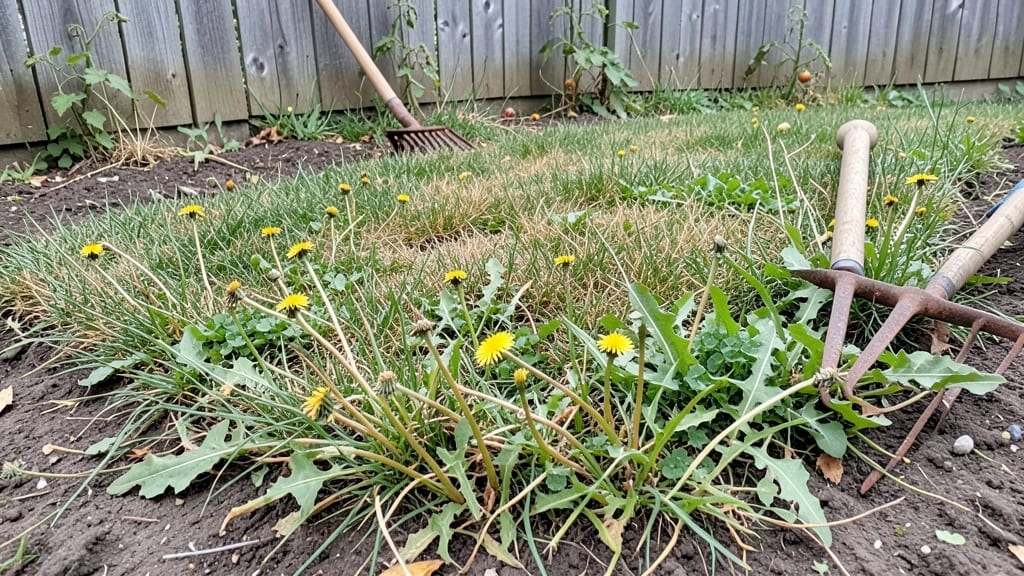
Reviving a lawn full of weeds isn't as hopeless as it seems—it just takes the right approach. I’ve turned my own overgrown yard from a patchy eyesore into a lush, weed-resistant carpet using three straightforward steps that actually work.
The key isn’t brute force; it’s understanding what your grass really needs to outcompete those stubborn intruders.
Most people grab the strongest herbicide they can find, but that often backfires by killing the good grass too.
Instead, I focus on three core fixes: clearing the weeds without harming the lawn, feeding the grass so it grows thicker, and locking in moisture so weeds can’t take root again.
You’ll need basic tools—a sharp rake, a lawn mower set high, and either corn gluten meal or a natural pre-emergent—but nothing fancy. The best part? These methods work whether you’re dealing with clover, dandelions, or crabgrass.
Within 4-6 weeks, you’ll see a noticeable shift—fewer weeds popping up, grass filling in bare spots, and a lawn that actually stays green through summer. The secret is consistency: one treatment won’t do it, but a few targeted efforts will rebuild your grass’s strength.
Think of it like giving your lawn a second chance, not a quick fix.
This works for any climate, though timing matters—spring and fall are prime seasons to tackle weeds before they spread. If your lawn is in rough shape, start with the most damaged areas and expand outward.
By summer, you’ll have a lawn that looks like it belongs in a postcard, not a "fix-it-later" pile. Let’s get to it.
📚 In This Guide
- What you need
- Instructions
- Tips and common mistakes
- Wrapping up and next steps
What you need
- ● Garden Gloves – A pair of durable, heavy-duty gloves (e.g., Fellowes or Workrite brand) to protect your hands from thorns and chemicals.
- ● Hand Trowel or Weeding Tool – A sturdy, ergonomic tool (like the Fiskars ergonomic weeder) for digging out deep-rooted weeds.
- ● Lawn Rake – A bow rake (with flexible tines) for loosening soil and removing debris (e.g., Amico brand, 18-inch width).
- ● Broadcast Spreader – For even distribution of seeds or fertilizer (e.g., Scotts or Brill models).
- ○ Organic Weed Killer (Optional but Helpful) – A natural option like vinegar + dish soap + salt (1 gallon vinegar, 1 oz dish soap, 1 cup salt) or corn gluten meal (for pre-emergent weed control).
- ● Grass Seed – Choose fast-growing, weed-resistant seed (e.g., Kentucky Bluegrass, Fescue, or Ryegrass). Aim for 5–10 lbs per 500 sq ft for full coverage.
- ● Compost or Topsoil – 2–3 inches of organic compost (e.g., Miracle-Gro or homemade) to enrich soil and promote grass growth.
- ● Watering Can or Hose with Adjustable Nozzle – For deep, even watering (aim for 1–1.5 inches per week).
- ● Sunlight Assessment – Know your lawn’s sunlight exposure (full sun, partial shade, or full shade) to pick the right grass seed.
- ● Weather Check – Plan for a 5–7 day forecast with no rain (or light showers) after seeding.
- ● Time Commitment – Dedicate 3–4 weekends for weeding, prepping, seeding, and initial maintenance.
- ● Patience – New grass takes 2–4 weeks to sprout and 3–6 months to fully establish.
Step-by-Step instructions for reviving a weedy lawn naturally
Here's how to transform that patchy, weed-infested yard back into a lush, healthy lawn.
Clear Existing Weeds Without Chemicals
Start by mowing the lawn as short as possible—this exposes weeds to sunlight and helps them dry out faster. I like to set my mower blade to its lowest setting and go over the area twice to ensure even coverage. Avoid bagging the clippings; leaving them on the lawn returns nutrients to the soil.
Next, pull weeds by hand when the soil is moist—early morning is ideal. Focus on broadleaf weeds like dandelions and clover since they're easier to remove by hand. For stubborn weeds with deep roots, like creeping Charlie, use a weeding tool to dig them out completely. The key is persistence: remove as many weeds as possible now to reduce competition for your grass.
If some weeds remain, don't stress. You'll tackle them again after overseeding. The goal here is to create space for new grass to establish itself without battling weeds head-to-head.
Prepare the Soil for New Grass Growth
Rake the entire area thoroughly to break up the thatch layer—this is the dense layer of dead grass and roots that prevents water and nutrients from reaching the soil. Use a stiff-bristled rake and work in sections until the surface looks loose and even. You'll know you've done enough when the soil beneath looks dark and crumbly.
Spread a thin layer of compost over the entire area. I use about ¼ inch spread evenly across the lawn. This adds organic matter that improves soil structure and provides nutrients for new grass. Water the compost in lightly so it settles into the soil rather than washing away.
If your lawn has bare spots larger than 6 inches, fill them with a mix of topsoil and compost (about ½ inch deep). This gives new grass seeds a better chance to establish roots in loose, nutrient-rich soil.
Overseed and Maintain for Long-Term Health
Choose a grass seed blend suited to your climate and sun exposure. For most lawns, a mix of fescue, bluegrass, and ryegrass works well. Spread the seed evenly using a broadcast spreader, following the manufacturer's instructions for coverage rate. Lightly rake the area to ensure seeds make contact with the soil—this helps them germinate faster.
Water the lawn immediately after seeding, keeping the soil consistently moist for the first 10-14 days. You'll know it's right when the top ½ inch of soil feels damp but not soggy. Avoid heavy watering, which can wash seeds away. After germination, reduce watering slightly but keep the lawn moist until the new grass reaches 3 inches tall.
Once the new grass is established, mow it to 3-4 inches height to encourage deep root growth. Fertilize lightly with a slow-release, organic fertilizer to support ongoing health. Regular maintenance—mowing, watering, and occasional aeration—will keep your lawn thick and weed-resistant over time.
Tips & tricks for perfect lawn revival
A few key strategies will help you transform that weed-filled lawn into a vibrant, healthy space without the guesswork.
Timing Secret: In Step 1, when you're mowing the lawn short to expose weeds, do it on a dry day. Wet grass clumps together and can clog your mower, while dry grass mows cleanly and reveals more weeds. I also recommend mowing in two directions—first lengthwise, then crosswise—to ensure even coverage and catch any missed weeds. This double pass makes all the difference in weed visibility and removal.
Weed Removal Technique: For Step 1's hand-pulling, focus on broadleaf weeds first—they're easier to remove and won't regrow as aggressively. When tackling stubborn weeds like creeping Charlie, use a weeding tool to get the entire root. I've found that pulling weeds when the soil is damp (but not soggy) makes them easier to remove without breaking. Think of it like pulling taffy—gentle but persistent pressure works best.
Soil Preparation: In Step 2, when you're breaking up thatch, don't rush this process. The goal is to create a loose, crumbly surface where new grass seeds can establish roots. If you're working with a thick thatch layer, consider renting a thatch rake or using a dethatching attachment on your lawn mower. A good rule of thumb is that you should be able to see soil beneath the thatch layer—this is your target.
Seed Germination: After spreading your seed blend in Step 3, lightly cover the seeds with a thin layer of soil or compost (about ¼ inch). This protects them from drying out while still allowing sunlight to reach them. I've noticed that seeds germinate most consistently when the soil temperature is between 60-75°F—this is often in late summer or early fall in most climates, which is why many gardeners prefer overseeding during these seasons.
Pro Tips for Revive A Lawn Full Of Weeds
- A few key strategies will help you transform that weed-filled lawn into a vibrant, healthy space without the guesswork.
- Timing Secret: In Step 1, when you're mowing the lawn short to expose weeds, do it on a dry day.
- Weed Removal Technique: For Step 1's hand-pulling, focus on broadleaf weeds first—they're easier to remove and won't regrow as aggressively.
Frequently asked questions
Got questions about reclaiming your lawn from weeds? You’re not alone—here are some of the most common concerns and straightforward answers to help you tackle the job with confidence.
How do I know if my lawn is too far gone to save?
If your lawn has no visible grass (just bare soil or weeds) or if the weeds are deep-rooted like quackgrass or nutgrass, revival may take more effort—but it’s still possible! Start with soil testing to check pH and nutrients. If grass roots are still alive (even sparse), overseeding can work. For extreme cases, consider partial reseeding or a hybrid approach (grass + clover).
When is the best time of year to start?
Timing matters! For cool-season grasses (like Kentucky bluegrass or fescue), aim for early fall (September-October) or spring (March-April) when weeds are active but grass can outcompete them. Warm-season grasses (like Bermuda or Zoysia) thrive in late spring to early summer (May-June). Avoid summer—heat stresses grass and weeds alike. Pro tip: Weed control (like pre-emergent) works best in early spring or fall too!
Is it cheaper to pull weeds by hand or use herbicides?
Hand-pulling saves money upfront but is labor-intensive and may miss deep roots. Herbicides (like vinegar-based or glyphosate) are faster but can harm grass if misused. For a natural balance, try a corn gluten meal pre-emergent ($20–$40/year) or spot-treat weeds with boiling water or salt vinegar (mix 1:1 with water). For large lawns, a selective herbicide (e.g., 2,4-D) may be worth the $15–$30 cost for targeted weed control.
Can I just replace weeds with clover instead of grass?
Clover is a low-maintenance, drought-resistant alternative that crowds out weeds, fixes nitrogen in the soil, and stays green longer. Mix clover seeds (like Dutch white clover) with grass seed for a hybrid lawn or go full clover for a no-mow option. Just note: Clover attracts bees and may not suit formal lawns. Test a small patch first to see how it thrives in your climate.
Why do weeds keep coming back after I treat them?
Weeds often return due to three common issues:
- Poor soil health: Weeds thrive where grass struggles (compacted, nutrient-poor soil). Fix with compost or topsoil and regular aeration.
- Inconsistent watering: Deep, infrequent watering (1–1.5 inches/week) encourages grass roots to outcompete weeds. Shallow watering keeps weeds happy!
- Dormant weed seeds: Many weeds (like crabgrass) lie in wait. Use pre-emergent herbicide in early spring to block germination.
For stubborn repeat offenders, hand-pull + mulch or solarization (covering weeds with clear plastic for 4–6 weeks) can break the cycle.
Wrapping up and next steps
Reviving a weed-infested lawn isn’t just possible—it’s achievable with patience, the right techniques, and a little elbow grease! 🌱 By tackling weeds at the root, improving soil health, and nurturing your grass, you’ll transform that overgrown mess into a lush, green space you’ll love.
Remember, progress takes time, so celebrate small wins along the way.
Now that you’re armed with natural solutions, take the first step today: grab your tools, pick a sunny day, and start reclaiming your lawn—one patch at a time. Your future lawn (and future you) will thank you! 🌿