
How To
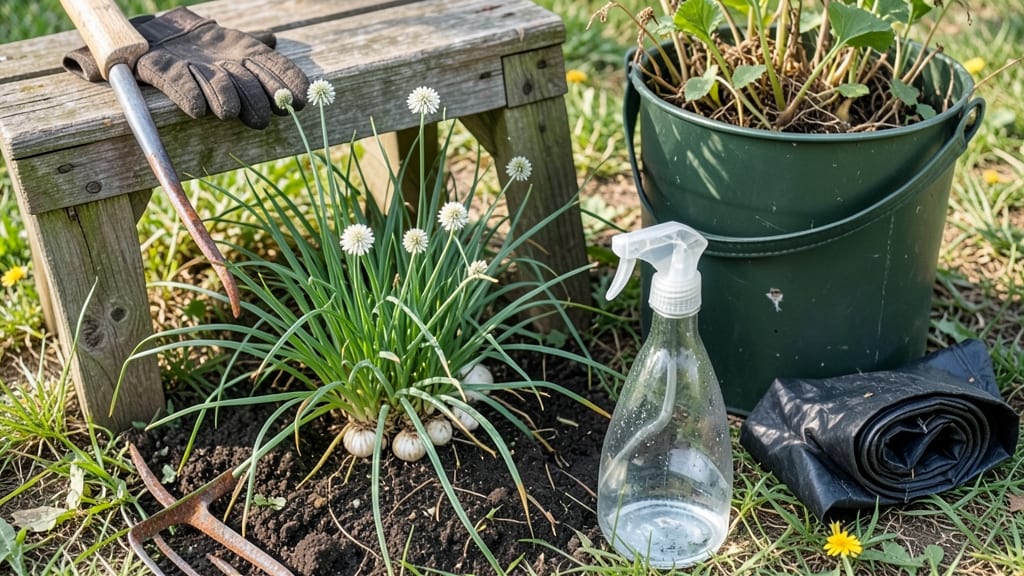
How to remove wild onions from lawn—turning your patchwork of grass and pungent weeds into a lush, uniform yard is easier than you think. 🌱 The good news? You can reclaim your yard in just 7 days with the right approach—no harsh chemicals needed. I’ve wrestled with these stubborn invaders for years, and I’ll share the exact method that finally gave me a clean, grub-free lawn.
The first step is spotting them correctly—wild onions look like grass but have thin, hollow stems and a strong onion scent when crushed. Once identified, the key is manual removal during their active growth phase (spring or fall).
Pull them early in the morning when the soil is moist, and you’ll reduce regrowth dramatically. For stubborn patches, a vinegar-based spray (3% acetic acid) works as a natural herbicide without harming your grass.
By day 7, you’ll see a noticeable difference—fewer shoots, healthier grass filling in, and that fresh lawn smell back. The secret is consistency: check weekly for new sprouts and repeat the process until your lawn looks uniform.
This method works for both small patches and larger infestations, and it’s safe for pets once fully dried.
Prevention is the final step: overseed bare spots in fall and maintain a thick lawn to crowd out weeds naturally. If you’ve ever stared at your lawn wondering how to fix it, this is your game plan for a weed-free spring. Let’s get started!
Hidden Roots Of Lawn Invaders
Wild onions—those sneaky, grass-like weeds—don’t just appear out of nowhere. They thrive in your lawn thanks to a mix of environmental conditions, soil health, and even human habits. Understanding why they take over is the first step to stopping them. Let’s dig into the real culprits behind their persistence.
Wild onions (like Allium vineale, the common wild garlic) love soil that’s too fertile, compacted, or poorly drained. Here’s how your lawn might be inviting them:
- Excess nitrogen: Fertilizers high in nitrogen (like quick-release lawn foods) create lush conditions—but weeds like wild onions outcompete grass for nutrients. Think of it as a buffet for invaders.
- Compacted soil: Heavy foot traffic, machinery, or clay-heavy soil crushes roots, making it harder for grass to establish deep systems. Wild onions, with their fibrous roots, slip right in.
- Poor drainage: Wet, soggy spots (common in clay or low-lying areas) create the perfect moisture-rich zone for wild onion seeds to germinate and spread.
Actionable fix: Test your soil’s pH and nutrient levels—aim for a balanced 6.0–7.0 pH and reduce nitrogen-heavy fertilizers. Aerate compacted areas to loosen soil and improve water flow.
Wild onions spread primarily through seeds, which can lie dormant in soil for years before sprouting. Here’s how they sneak in:
- Contaminated grass seed: Some wild onion seeds hitchhike in low-quality grass seed mixes, especially "no-name" brands. Even a few seeds can multiply into a full lawn takeover.
- Animal dispersal: Birds, squirrels, and even lawnmowers spread seeds across your yard. A single seed near a garden or compost pile can travel hundreds of feet.
- Dormant seed banks: Seeds can survive 5+ years in soil, waiting for the right conditions (like disturbed ground or extra moisture) to germinate.
Actionable fix: Buy certified weed-free grass seed from reputable suppliers. After removing wild onions, till or rake the area to expose seeds to sunlight (they need darkness to sprout).
Thin, patchy, or stressed grass leaves gaps that wild onions exploit. Common triggers include:
- Overwatering or underwatering: Wild onions thrive in consistent moisture. Sprinkler systems that create wet spots or drought-stressed patches create ideal conditions.
- Pests and disease: Grubs, chinch bugs, or fungal infections weaken grass roots, leaving bare soil for weeds to colonize.
- Improper mowing: Cutting grass too short (below 2–3 inches) stresses roots, while leaving clippings too long can smother grass and encourage weed growth.
Actionable fix: Mow at the right height for your grass type, water deeply but infrequently (1–1.5 inches per week), and treat pest/disease issues promptly.
Wild onions don’t just pop up randomly—they’re opportunists using your lawn’s weaknesses against it. The good news? Once you identify the root causes (literally), you can starve them out and reclaim your grass. Next up: How to Outsmart Them.
How to Remove Wild Onions Fast
Wild onions may seem stubborn, but with the right approach, you can eliminate them from your lawn in 7 days or less—without harsh chemicals. Below are targeted solutions based on the root cause of your infestation, along with prevention tips to keep your grass lush and wild-onion-free.
When to use: Early-stage growth (young shoots) or after rain (soil is soft).
- 👨🍳 Identify the Weeds
- Wild onions have long, grass-like blades with a hollow stem (unlike regular grass).
- Look for purple or white bulblets at the base—these are the "babies" that regrow.
- 🔪 Dig Deep (2-3 Inches)
- Use a weeding tool, fork, or trowel to pull the entire bulb (including roots).
- Pro Tip: 💡 Wear gloves—wild onions release allicin (like garlic), which can irritate skin.
- 🧹 Dispose Properly
- Do NOT compost—bag and trash them to prevent regrowth.
- Alternative: 🌡️ Burn them (if local laws allow) or soak in vinegar for 24 hours before disposal.
- ⏰ Recheck in 3-5 Days
- New shoots may sprout—re-pull any missed ones.
When to use: Medium-sized patches (avoid if lawn has desirable grass nearby).
- 🍳 Mix the Solution
- 1 gallon white vinegar (20% acetic acid)
- 1 cup dish soap (surfactant for sticking)
- Optional: 1 tbsp salt (enhances effectiveness).
- 🌿 Apply on a Sunny Day
- Spray directly on wild onion leaves (avoid desirable grass).
- Pro Tip: ✨ Use a pump sprayer for even coverage.
- 🔥 Wait 24-48 Hours
- Vinegar burns the foliage, killing the plant.
- Reapply if regrowth appears.
- 💡 Follow-Up with Corn Gluten Meal
- After 1 week, spread corn gluten meal (natural pre-emergent) to block new seeds.
When to use: Overgrown areas where pulling is impractical.
- 📦 Cover with Cardboard/Newspaper
- Lay thick layers (2-3 inches) over the affected area.
- Best for: Shady lawns (sunlight kills cardboard faster).
- 💧 Keep Moist for 4-6 Weeks
- Water daily to break down the material and suffocate weeds.
- 🌱 Reseed or Sod After
- Once the area is clear, plant new grass seed or lay sod.
When to use: Severe, widespread infestations (follow label instructions).
- 💊 Choose a Selective Herbicide
- Glyphosate (Roundup) – Kills all plants (use carefully).
- Triclopyr (Ortho Weed B Gon) – Targets broadleaf weeds (check if wild onions are affected).
- 🌿 Apply Evenly
- Spray on a calm, dry day (avoid wind).
- Warning: ⚠️ Avoid overspray on desired plants.
- 🔄 Repeat if Needed
- Some wild onions have deep roots—reapply in 7-10 days if regrowth occurs.
- 🌱 Improve Lawn Health
- Mow high (3-4 inches) to shade out weeds.
- Fertilize regularly (wild onions thrive in poor soil).
- 🌡️ Use Pre-Emergent in Spring
- Apply corn gluten meal (natural) or pendimethalin (synthetic) before wild onions sprout.
- 🔍 Inspect & Remove Bulbs Annually
- Spring & fall are peak times for wild onion growth—pull early!
- 🚫 Avoid Overwatering
- Wild onions love moisture—water deeply but infrequently to discourage growth.
| Step | Action | When |
|---|---|---|
| Pull | Hand-remove bulbs | Early morning (soil is damp) |
| Spray | Vinegar or herbicide | Midday (on sunny days) |
| Smother | Cover with cardboard | For large, overgrown areas |
| Prevent | Corn gluten meal | Early spring & fall |
| Monitor | Recheck weekly | Until no regrowth appears |
🎯 Key Takeaway: Wild onions are tough but not unbeatable—combine manual removal, vinegar, and prevention for a grub-free lawn in a week! Start today, and enjoy lush, wild-onion-free grass all season.
Frequently asked questions
How do I tell wild onions apart from regular grass or garlic chives?
Wild onions look like grass but have hollow stems (run a finger along them—if it slides through, it's a weed). They also produce tiny bulblets at the base (like miniature onions) and release a strong garlic-like odor when crushed. Garlic chives, however, have solid stems and flat, grass-like leaves without bulblets.
Why do wild onions keep coming back after I pull them?
You likely missed the bulblets or didn't remove the entire root system. Wild onions spread through seeds and bulblets that can survive 5+ years in soil. Pull again in 3-5 days to catch regrowth, and consider a vinegar spray (3% acetic acid) to kill any remaining roots.
Is vinegar safe to use on my lawn if I have pets?
Plain white vinegar (20% acetic acid) is pet-safe once dry, but avoid overspray on desirable grass. For extra safety, use a vinegar-dish soap mix (1 gallon vinegar + 1 cup soap) and apply only to wild onions. Rinse the area with water after 24 hours to neutralize any residue.
Can I use corn gluten meal to prevent wild onions from spreading?
Yes! Corn gluten meal is a natural pre-emergent that blocks weed seeds (including wild onions) from germinating. Apply ½ pound per 100 sq ft in early spring or fall when soil temps are 50-60°F. It also provides slow-release nitrogen to strengthen your grass.
What’s the best time of year to tackle wild onions?
Spring (March-May) and fall (September-November) are ideal—soil is moist, and weeds are actively growing. Avoid summer heat, which stresses plants and makes removal harder. For dormant seeds, aerate your lawn in fall to expose them to sunlight (they need darkness to sprout).