
How To
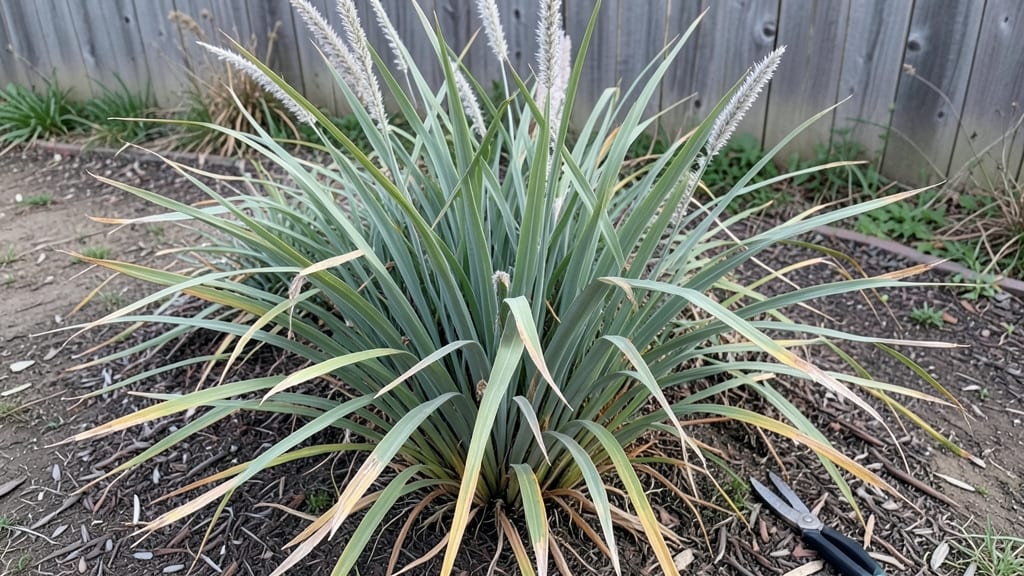
Pampas grass (Cortaderia selloana) might look striking, but its deep roots and prolific seeds make it a garden menace. ✨ I’ve wrestled with this invasive plant for years—until I discovered the underground root barrier trick that finally worked.
It’s not just about pulling what you see above ground; the real battle happens below.
The problem? Those thick, fibrous roots spread 10+ feet wide, and even tiny root fragments can sprout new plants. Herbicides help, but they’re not enough alone. The barrier method—burying a thick plastic sheet or metal edge—cuts off regrowth at the source.
It takes patience, but it’s the only way to truly reclaim your garden without constant upkeep.
What you’ll end up with is a clean yard, free from fluffy seed heads that spread like dandelions. The barrier blocks new growth for years, and with consistent effort, you’ll break the cycle. No more fighting pampas grass—just a well-behaved landscape that stays yours.
Works for both small patches and large infestations, though bigger areas need more barrier material. Local regulations may restrict herbicide use, so check before spraying. Let’s get rid of this stubborn plant for good—without it taking over again.
Root Causes of Pampas Grass Spread
Pampas grass (Cortaderia selloana) may seem like a dreamy ornamental plant with its feathery plumes, but its aggressive growth habits can turn into a nightmare for gardeners. Understanding the why behind its persistence is the first step to reclaiming your yard.
Below, we break down the key factors that fuel its spread—and how they make it so difficult to eradicate.
###
🌱 Aggressive Rhizome System
Pampas grass spreads primarily through underground rhizomes, which are thick, horizontal stems that store nutrients and send out new shoots. Unlike some plants that rely on seeds, pampas grass can expand rapidly via these rhizomes, even from small fragments left in the soil.
- How it works: Each rhizome node can grow into a new plant, creating a dense network underground. Even a 1-inch piece of rhizome can regenerate.
- Science behind it: Rhizomes are highly adaptive, allowing the plant to survive drought, poor soil, and even mechanical damage. They can spread 10+ feet per year under ideal conditions.
- Actionable insight: This is why surface-level removal (like mowing or cutting) often fails—the roots keep growing from fragments you can’t see.
###
🌪️ Wind-Dispersed Seeds
While rhizomes are the primary spreader, pampas grass also releases thousands of lightweight seeds that hitch rides on the wind. These seeds can travel miles from the parent plant, landing in cracks, gardens, or even neighboring properties.
- How it works: Each feathery plume contains 200–300 seeds, designed to float and germinate easily in disturbed soil. A single plant can produce up to 1 million seeds per year.
- Science behind it: The seeds remain viable for years, waiting for the right conditions (like sunlight or soil disturbance) to sprout. This explains why new patches appear years after the original plant was removed.
- Actionable insight: If you spot plumes, remove them immediately—don’t let them seed! Bag and dispose of them in sealed trash.
###
🌿 Fast Growth and Adaptability
Pampas grass thrives in diverse conditions, from sandy soils to clay, and tolerates drought, salt, and poor nutrition. This hardiness makes it nearly impossible to starve out or outcompete with other plants.
- How it works: It grows 3–6 feet per year and can reach 10+ feet tall, quickly outshading and crowding out native vegetation.
- Science behind it: Its deep root system (up to 5 feet) taps into water and nutrients that other plants can’t access. It also produces allelopathic chemicals, which suppress the growth of competing plants.
- Actionable insight: Unlike annual weeds, pampas grass won’t die from neglect—it’ll just get bigger. Patience and persistence are key.
###
🏡 Human Activity Accelerates Spread
Often, pampas grass spreads because of human actions, not just natural growth. Common mistakes can turn a single plant into an invasive nightmare.
- How it happens:
- 𝌟 Improper disposal: Tossing clippings or rhizomes in compost or landfills lets them regrow.
- 𝌟 Landscaping mishaps: Using pampas grass as a "low-maintenance" border or windbreak without containment.
- 𝌟 Seed contamination: Buying "wildflower mixes" or mulch that may contain pampas grass seeds.
- Science behind it: Even a single rhizome fragment can regrow into a full plant, and seeds can lie dormant for years before germinating.
- Actionable insight: Always double-check new plants and materials, and never compost pampas grass debris.
Now that you know why pampas grass is so stubborn, the next step is learning how to stop it—starting with the underground barrier trick that actually works. 🚀
Simple Ways to Remove Pampas Grass
Now that you know why pampas grass can be so invasive, let’s tackle the how. Whether you’re dealing with a stubborn clump in your yard or preventing it from spreading, these solutions are practical and effective.
Below, we’ll match common issues with the best fixes—plus tips to keep your garden pampas-free for good.
🌱 Overgrown Clumps: Dig It Out Properly
If pampas grass has already taken over, the first step is complete removal. Unlike many plants, pampas grass sends down deep, fibrous roots that can regrow if even a small piece is left behind.
How to do it:
- 🔪 Cut Back the Foliage Use pruners or shears to trim the plant down to the ground. This makes it easier to see the root base and prevents seed spread.
- 👨🍳 Dig Deep with a Shovel or Digger Pampas grass roots can extend 3–5 feet deep and spread outward. Use a shovel, garden fork, or digging bar to loosen the soil around the base. Work in a circular motion to avoid breaking roots, which can regenerate.
- 🌡️ Soak the Soil (Optional but Helpful) Water the area thoroughly a day before digging. Wet soil is easier to work with and helps loosen stubborn roots.
- 🗑️ Remove Every Last Piece Pull up the entire root ball, including any rhizomes (horizontal underground stems). Check for small root fragments—even a 1-inch piece can sprout into a new plant.
- 🔥 Dispose of It Properly
- Do NOT compost—pampas grass can survive composting and spread.
- Bag and trash it or take it to a green waste facility that handles invasive plants.
💡 Pro Tip: If the roots are too tough to remove by hand, rent a soil saw or post hole digger for deeper extraction.
🌿 Regrowth After Removal: Smother or Treat
Sometimes, even after digging, you might spot new shoots popping up. This means root fragments or seeds are still lurking. Here’s how to finish the job:
Option 1: Smothering (Best for Large Areas)
- 📦 Cover the Area with Cardboard or Black Plastic Lay down thick layers of cardboard (avoid glossy paper—it won’t decompose) or black landscape fabric over the dug-up spot.
- 🪨 Pile Mulch or Soil on Top (6–12 inches deep) This blocks sunlight, killing any remaining roots or seeds. Wait 6–12 months to ensure no regrowth.
- 🌱 Plant Something Else Once the area is clear, plant competitive ground covers like clover, creeping thyme, or ornamental grasses that outcompete weeds.
Option 2: Herbicide (For Stubborn Spots)
If smothering isn’t an option, glyphosate-based herbicides (like Roundup) can kill remaining roots. Follow these steps carefully:
- 🌧️ Water the Area First This helps the herbicide absorb into the roots.
- 💧 Apply Herbicide Directly to the Roots Spray only the exposed roots (not desirable plants) on a wind-free day.
- 🌧️ Water Again After 24 Hours This activates the herbicide and prevents drift.
- 🔍 Monitor for Regrowth If new shoots appear, repeat the treatment.
⚠️ Warning: Herbicides can harm nearby plants and pets. Use them only as a last resort and follow label instructions.
🚧 Preventing Future Spread: Barriers & Maintenance
The best way to keep pampas grass out is to stop it before it starts. Here’s how:
🏗️ Underground Root Barriers (Best Long-Term Solution)
Pampas grass spreads via rhizomes, so a physical barrier can block its advance.
- 📏 Dig a Trench (12–18 inches deep) Around your garden beds or lawn edges.
- 🧱 Install a Barrier
- Hard barriers: Use corrugated metal, plastic sheeting, or landscape fabric buried vertically.
- Natural barriers: Plant deep-rooted shrubs (like boxwood or juniper) to create a living barrier.
- 🪴 Extend Beyond the Plant’s Current Spread Pampas grass rhizomes can grow several feet, so the barrier should be at least 2 feet wider than the plant’s current reach.
🌱 Regular Inspections & Early Action
- 🔍 Check for New Shoots every 2–4 weeks during growing season.
- 🗑️ Remove Any Sprouts Immediately—don’t let them grow!
- 🌧️ Keep Soil Healthy with mulch to discourage weed growth.
🌿 Alternative Planting Strategies
If you love the look of pampas grass but not the invasiveness, try these low-maintenance alternatives:
- Miscanthus sinensis (Japanese silver grass) – Clump-forming, non-invasive.
- Cortaderia ‘Pumila’ (Dwarf pampas grass) – Smaller, less aggressive.
- Ornamental grasses like fountain grass or maiden grass – Beautiful without the spread.
✨ Final Prevention Checklist
| Task | How Often | Why It Works |
|---|---|---|
| Remove seed heads before they release fluff | Every fall | Stops airborne spread |
| Dig up volunteers (new plants) immediately | Monthly in spring/fall | Prevents root establishment |
| Apply pre-emergent herbicide in early spring | Once per year | Blocks seed germination |
| Mulch garden beds with wood chips | Seasonally | Smothers weeds naturally |
| Plant dense ground covers | Once | Outcompetes pampas grass |
By following these steps, you’ll eliminate existing pampas grass and keep it from coming back. Whether you choose manual removal, smothering, or barriers, consistency is key—don’t let those rhizomes win! 🚫🌱
Frequently asked questions
Why does pampas grass keep coming back after I pull it out?
Even tiny root fragments left in the soil can regrow into full plants. The rhizomes (underground stems) spread 10+ feet wide, so manual removal alone rarely works. You need to dig deep—3–5 feet down—and use barriers or herbicides to block regrowth.
Is it safe to compost pampas grass clippings?
Absolutely not! Even small pieces can survive composting and sprout new plants. Always bag and trash all plant material, including roots and seed heads. For large quantities, check with your local green waste facility—they often handle invasive plants.
How long does it take for smothering to kill remaining roots?
Smothering with cardboard or black plastic takes 6–12 months to fully eliminate roots and seeds. The key is blocking sunlight completely—add 6–12 inches of mulch or soil on top. Check monthly for any new shoots that might have survived.
Are there eco-friendly alternatives to herbicides?
Yes! Try vinegar-based sprays (50% vinegar + dish soap) for small patches, or use corn gluten meal as a pre-emergent to block seed germination. For barriers, metal sheets or dense shrubs work better than chemicals and prevent spread long-term.
Will pampas grass grow back if I only cut the tops off?
Cutting the foliage does nothing to stop the roots. In fact, it can encourage more growth by redirecting energy underground. Always dig up the entire root system or use herbicides to prevent regrowth. This plant won’t quit—you have to be more persistent!