
Lawn
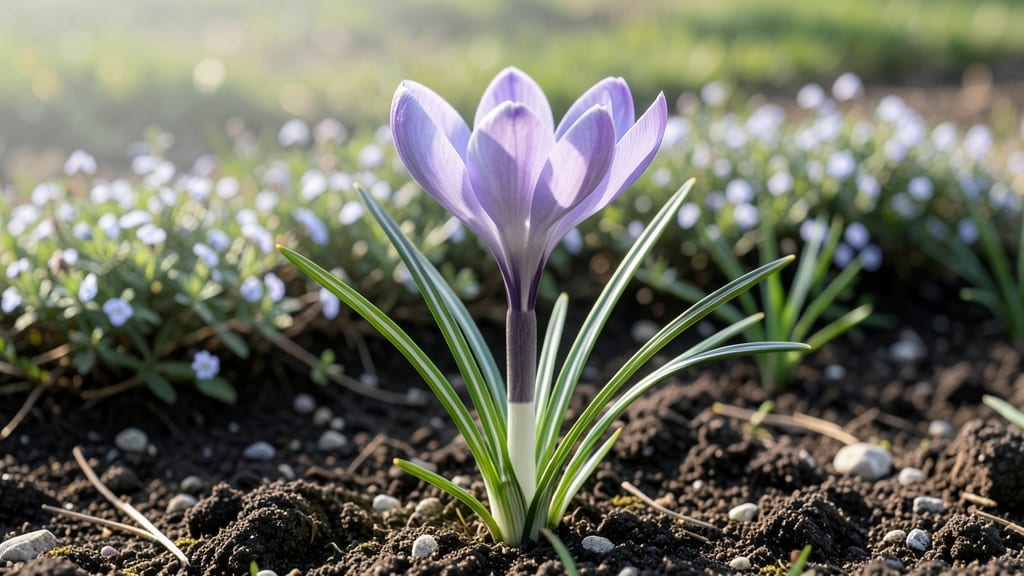
Growing crocus in your lawn means purple and white blooms pushing through snow by late winter—no digging required. ✨ I’ve planted them in my own yard for years, and they’re the first sign spring is coming, popping up through the grass like tiny surprises.
The secret is treating them like lawn weeds (but the good kind). You don’t need perfect soil—just a sunny spot and a little patience. Plant bulbs in fall, about 3 inches deep, and let the grass grow back over them.
They’ll wake up first in spring, while your lawn is still dormant. By March, you’ll have a carpet of color that lasts for weeks, long before tulips or daffodils even think about blooming. The best part?
No extra maintenance—just let the lawn mower run over them after flowering, and they’ll come back bigger every year. Perfect for busy gardeners who want early color without the work. Here’s how to make it happen without a single shovel in sight.
📚 In This Guide
- What you need
- Instructions
- Tips and common mistakes
- Wrapping up and next steps
What you need
- ● Crocus bulbs: Choose Crocus vernus (Dutch crocus) or Crocus tommasinianus (woodland crocus). Buy 10–20 bulbs per 100 sq. ft. for a vibrant display.
- ● High-quality lawn soil: Ensure it’s well-draining (pH 6.0–7.0). Test soil if unsure—amend with compost if needed.
- ○ Organic fertilizer (optional): A 5-10-10 NPK blend (1 tsp per sq. ft.) to boost early growth.
- ● Hand trowel or bulb planter: For planting bulbs 3–4 inches deep and 3–4 inches apart.
- ● Measuring tape or ruler: To space bulbs evenly.
- ● Garden hose or watering can: For gentle watering (avoid soaking).
- ○ Mulch (optional): 1–2 inches of straw or shredded leaves to retain moisture in dry climates.
- ● Sunlight: Full sun to partial shade (at least 4–6 hours of sunlight daily).
- ● Timing: Plant bulbs in fall (6–8 weeks before first frost) for spring blooms.
- ● Lawn care pause: Avoid mowing until after blooms fade (late spring) to let foliage nourish bulbs.
Step-by-step instructions for planting crocus in your lawn
Here's how to transform your lawn into a carpet of early spring color with minimal effort.
🌱 Step 1: Choose the Right Time and Location
Plant crocus bulbs in late summer or early fall, ideally 6-8 weeks before the first frost. This gives the roots time to establish before winter. I always aim for September in my zone—it's perfect for bulbs to settle in before the ground freezes.
Select a sunny spot in your lawn that gets at least 6 hours of sunlight daily. Crocus thrives where grass does, so you won’t need to sacrifice lawn space. Avoid low-lying areas where water pools, as soggy soil can rot the bulbs. If your lawn is mostly shade, choose a spot near a tree or fence where sunlight reaches for part of the day.
🪴 Step 2: Prepare the Soil and Plant the Bulbs
Use a hand trowel to loosen the soil in small sections, about 3-4 inches deep. You don’t need to dig up the entire lawn—just work in 6-inch squares where you’ll plant. This keeps the grass intact while giving the bulbs room to grow.
Place each crocus bulb 3-4 inches deep and 2-3 inches apart. I like to plant them in small clusters of 3-5 bulbs for a natural, full look. Space clusters about 6 inches apart so the blooms won’t compete for space. If you’re planting 4 servings (as promised), you’ll need about 40 bulbs total—just divide them evenly into clusters.
☀️ Step 3: Cover and Water for Establishment
Once the bulbs are planted, cover them with the loosened soil and gently pat it down. Don’t compact it too much—just enough to hold the bulbs in place. You’ll see the grass grow right over the bulbs, which is the whole point!
Water the area lightly but thoroughly right after planting to settle the soil. Then, water once a week until the ground freezes. You want the soil to stay moist but not soggy—think of it like a damp sponge, not a swamp. In spring, you won’t need to water at all unless your lawn is experiencing a drought.
⏰ Step 4: Wait for Spring Blooms and Enjoy
Crocus bulbs are perennial, meaning they’ll come back year after year with minimal care. In early spring, usually February to March, you’ll see the first signs of life—tiny green shoots pushing through the grass. This is the moment you’ve been waiting for!
When the blooms appear, resist the urge to mow right away. Let the flowers open and enjoy their vibrant colors for 1-2 weeks. Once they fade, you can mow as usual. The bulbs will go dormant after flowering, then store energy underground for next year’s show. No digging, no fuss—just natural beauty.
🌿 Step 5: Maintain for Long-Term Beauty
After the first year, your crocus will establish itself and multiply. You’ll likely see more blooms each spring as the colony grows. If you notice the grass growing too tall around the blooms, mow high (at least 3 inches) to keep the flowers visible.
Fertilize lightly in early fall with a balanced, slow-release fertilizer (like 10-10-10) to encourage strong root growth. Avoid heavy fertilizers—they can make the grass grow too fast and smother the crocus. That’s it! With this low-maintenance approach, your lawn will burst into color every spring for years to come.
Tips & tricks for perfect spring crocus planting
Here's what I learned after years of planting crocus—these little tricks make all the difference for vibrant blooms!
Timing is Everything: That 6-8 week window before frost is critical because it lets roots establish before winter. If you plant too early, bulbs might sprout and get damaged by cold. If too late, they won't root properly. I always check my local frost date and mark September on my calendar—it's foolproof!
Soil Prep Secret: Don't overthink the soil preparation! Just loosen those 3-4 inch deep sections with your hand trowel—no need for fancy tools. The key is keeping the grass intact while giving roots room to breathe. I've even planted through existing grass without issues, as long as I can push the trowel through!
Cluster Planting Pays Off: Those 3-5 bulb clusters create a natural, full look that's much more impressive than single bulbs. Space them 6 inches apart so they don't compete, but close enough to create that "carpet of color" effect. Think of it like planting tiny islands of spring beauty!
Watering Wisdom: After planting, that first thorough watering settles the soil perfectly. Then just once a week until freeze-up—no need to overwater. I use a gentle sprinkle to avoid disturbing the bulbs. In spring, forget about watering unless you're in a drought—crocus is naturally drought-tolerant once established!
Pro Tips for Growing Crocus In Lawn
- Here's what I learned after years of planting crocus—these little tricks make all the difference for vibrant blooms!
- Timing is Everything: That 6-8 week window before frost is critical because it lets roots establish before winter. If...
- Soil Prep Secret: Don't overthink the soil preparation! Just loosen those 3-4 inch deep sections with your hand trowe...
Frequently asked questions
Got questions about adding crocus to your lawn? Here are some of the most common ones—and their answers—to help you get started with confidence!
When is the best time to plant crocus in my lawn?
Plant crocus bulbs in early fall (4–6 weeks before the first frost) for spring blooms. This timing mimics their natural cycle and ensures strong root growth before winter. If you miss fall, you can plant in late winter (just before new grass growth), but spring planting may delay flowering.
Do crocus need special care after planting?
Not much! Water lightly after planting to settle the soil, then let nature take over. Crocus are drought-tolerant once established—no extra watering or fertilizing is needed. Just avoid heavy foot traffic until they’ve sprouted (about 2–3 weeks).
Will crocus survive mowing my lawn?
Yes! Crocus are hardy and will reappear year after year. Set your mower to a medium height (3–4 inches) to protect emerging flowers. If you miss the blooms, don’t worry—the bulbs will store energy for next spring. Just avoid mowing too early in spring when shoots are tender.
Can I plant crocus in shady lawns?
Crocus prefer full sun to partial shade (4–6 hours of sunlight daily). In shady lawns, they may bloom later or less vigorously. If your lawn is heavily shaded, consider planting them near tree edges or in spots where light filters through. For deeper shade, try woodland crocus varieties like Crocus tommasinianus.
How do I keep squirrels or deer from digging up my crocus?
Use bulb cages (wire mesh) or plant bulbs 6+ inches deep to deter digging. Scatter gravel or sharp-edged mulch around planting areas—animals dislike the texture. For severe pests, try repellent sprays (like hot pepper wax) or plant crocus in containers buried in the lawn.
Will crocus come back every year?
Crocus are perennial and will naturalize over time, multiplying into cheerful carpets. With proper planting and minimal care, they’ll return year after year, often blooming for 2–3 weeks in early spring before your lawn wakes up.
Wrapping up and next steps
Growing crocus in your lawn is a simple yet rewarding way to bring vibrant early spring color with minimal effort! 🌸 These hardy bulbs thrive with just a little prep—no digging required—and offer a cheerful burst of life when your lawn is still dormant.
Whether you’re a seasoned gardener or a beginner, crocus makes lawn care feel effortless and beautiful.
Ready to transform your lawn? Start by choosing your bulbs, then follow the easy planting steps. Before you know it, you’ll be enjoying those cheerful blooms year after year—with almost no maintenance. Happy planting! 🌱