
Pests
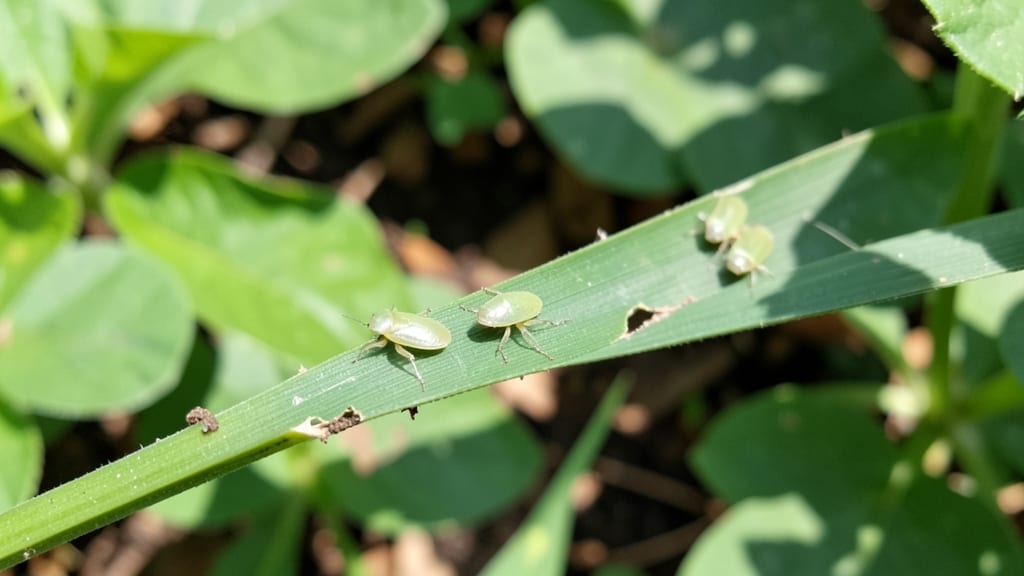
Green grass bugs can turn your lush lawn into a patchy mess in weeks—unless you act fast. ✨ I’ve battled chinch bugs, grubs, and cutworms, and I’ll show you how to spot them early (look for yellowing patches or wilting blades) and kick them out of your yard in just 3 days without harsh chemicals.
The key is timing and targeted action. Most outbreaks hit hard in late spring or summer when grass is stressed, but a few simple steps—like watering deeply in the morning or introducing beneficial nematodes—can break their cycle before they spread.
My lawn went from brown patches to vibrant green in under a week using these methods.
You’ll learn to identify the culprits by their damage patterns (chinch bugs leave straw-like blades, grubs create spongy turf) and deploy natural predators like ladybugs or milky spore bacteria. No more guessing—just results that keep your grass thriving without harming kids, pets, or the environment.
Works for any grass type, from cool-season fescue to warm-season Bermuda. Let’s get your lawn back to its best—naturally and fast.
Root Causes Of Grass Invaders
When your lawn starts hosting uninvited green guests—whether they’re chinch bugs, armyworms, or grasshoppers—it’s rarely a random event. These pests don’t just appear out of thin air; they’re drawn by specific conditions in your yard.
Understanding why they show up is the first step to kicking them out for good. Below, we break down the science-backed reasons behind their visits, so you can address the real issues.
🌱 Overwatered or Poorly Drained Soil
Grass bugs thrive in soggy, waterlogged conditions because excess moisture creates the perfect breeding ground. Here’s why:
- Fungal growth: Overwatering promotes fungal diseases (like gray leaf spot or dollar spot) that weaken grass, making it easier for pests to feed.
- Soft soil = easy entry: Chinch bugs, for example, lay eggs in damp thatch layers. If your lawn stays wet for more than 48 hours, you’re rolling out the welcome mat.
- Nutrient imbalance: Overwatering leaches nitrogen, forcing grass to grow rapidly—weak, tender blades are a buffet for insects like sod webworms.
Actionable fix: Test your soil’s drainage (dig a 6-inch hole; if water pools after 24 hours, you’ve got a problem). Adjust watering to deep but infrequent sessions—early morning is best—to let soil dry between sessions.
🍃 Thatch Buildup: The Hidden Pest Hotel
Thatch is that spongy layer of dead grass and roots between your soil and blades. While a ¼-inch layer is normal, anything thicker becomes a five-star resort for bugs. Here’s how:
- Moisture trap: Thatch holds water like a sponge, creating a humid microclimate that attracts fungus gnats and chinch bugs.
- Food source: Decomposing thatch feeds soil-dwelling larvae (like white grubs), which then chew through roots.
- Hiding spots: Armyworms and cutworms burrow into thick thatch to avoid predators and pesticides.
Actionable fix: Dethatch in early spring or fall using a rake or vertical mower. Aim for a thin layer (under ½ inch)—this disrupts pest habitats and improves air circulation.
🌿 Nutrient Deficiencies: Weak Grass = Easy Meal
Bugs target stressed grass because it’s easier to digest. Common deficiencies that invite pests include:
| Deficiency | Pest Attraction | Signs to Watch For |
|---|---|---|
| Nitrogen (N) | Chinch bugs, armyworms | Pale yellow-green grass, slow growth |
| Potassium (K) | Grasshoppers, billbugs | Brown leaf tips, weak root systems |
| Phosphorus (P) | White grubs, fungus gnats | Purple or dark green discoloration |
Actionable fix: Conduct a soil test to identify gaps. Apply a balanced fertilizer (10-10-10 or 16-4-8) in early spring, and top-dress with compost to boost organic matter—this strengthens grass roots, making it harder for pests to penetrate.
🐞 Climate & Seasonal Triggers
Bugs don’t just choose to invade—they’re following the weather. Here’s how seasons and climate play a role:
- Warm, humid summers: Ideal for chinch bugs and armyworms. These pests thrive when temps hit 80°F+ and humidity stays above 60%.
- Drought stress: Paradoxically, grasshoppers and cutworms flock to drought-stressed lawns because the grass is easier to consume.
- Cool, wet springs/falls: Perfect for white grubs and fungus gnats, which lay eggs in damp soil.
Actionable fix:
- 🌡️ Monitor forecasts: If your area is predicted to have high heat + humidity, pre-treat with beneficial nematodes (like Steinernema carpocapsae) to disrupt pest life cycles.
- 💧 Avoid overwatering in heatwaves: Water deeply 2–3x/week instead of daily shallow sessions to reduce fungal growth.
🎯 Human Habits That Worsen the Problem
Sometimes, the issue isn’t the lawn—it’s us. Common mistakes that turn your yard into a bug magnet:
- Over-fertilizing: Excess nitrogen creates soft, sugary grass that attracts sod webworms. Stick to recommended rates (usually 1 lb of N per 1,000 sq ft/year).
- Skipping mowing: Tall grass hides pests (like armyworms) and traps moisture. Mow at 3–4 inches to dry out thatch faster.
- Ignoring weeds: Crabgrass and clover provide alternative food sources for pests like grasshoppers. Overseed bare spots with disease-resistant grass varieties.
- Using broadleaf herbicides: Chemicals like 2,4-D can kill beneficial insects (like ladybugs) that prey on bugs. Opt for spot treatments instead.
Natural Ways to Eliminate Grass Pests
Dealing with green grass bugs can feel like a losing battle, but with the right approach, you can reclaim your lawn in just a few days—without harsh chemicals. The key is identifying the root cause and applying targeted, eco-friendly solutions.
Below, we’ve mapped out practical fixes for common culprits, from grubs to chinch bugs, along with prevention tips to keep your grass lush and pest-free long-term.
🔥 Overwatering or Poor Drainage → Fungal Issues & Grubs
If your grass feels soggy or you’ve noticed white grubs tunneling through the roots, overwatering or compacted soil is likely the culprit. These conditions create the perfect breeding ground for pests and fungal diseases.
👨🍳 Step-by-Step Fix:
- 💧 Adjust Your Watering Schedule
- Water deeply 2-3 times per week (early morning is best) instead of daily light sprinkles.
- Aim for 1 inch of water per week—use a rain gauge or tuna can to measure.
- 🌱 Aerate the Soil
- Rent a core aerator or use a manual lawn fork to punch holes 3-4 inches deep.
- Focus on high-traffic areas where soil compacts easily.
- 🔪 Introduce Beneficial Nematodes
- These microscopic worms kill grubs naturally by injecting bacteria into their bodies.
- Apply in the evening after watering (they’re sensitive to sunlight).
- Product pick: Nematorix or Grow More nematodes (follow package rates).
- 🍄 Prevent Fungal Growth
- Rake up thick thatch (layer of dead grass) to improve airflow.
- Avoid fungicides—opt for baking soda spray (1 tbsp baking soda + 1 gallon water) for mild cases.
💡 Pro Tip:
Test your soil’s drainage with a simple experiment: Dig a 12-inch hole, fill it with water, and time how long it takes to drain. If it’s slower than 6 hours, amend with compost or sand to improve porosity.
☀️ Dry, Patchy Grass → Chinch Bugs or Armyworms
If your lawn has brown, straw-like patches that spread quickly—especially in hot, dry spells—chinch bugs or armyworms may be feasting on your grass. These pests thrive in drought-stressed turf.
🍳 Step-by-Step Fix:
- 💧 Rehydrate the Lawn
- Water affected areas deeply and frequently for 3-5 days to encourage grass recovery.
- Use a soaker hose to avoid runoff.
- 🔍 Inspect for Pests
- Chinch bugs: Look for tiny black bugs (1/16 inch) on grass blades near the soil line. Lift a section of sod—if bugs swarm, they’re the issue.
- Armyworms: Check for green caterpillars (up to 1.5 inches) chewing grass in a "swarming" pattern.
- 🐛 Handpick or Use Diatomaceous Earth
- For small infestations, handpick armyworms at dusk and drop them in soapy water.
- Sprinkle food-grade diatomaceous earth (DE) on dry patches—it dehydrates bugs but is safe for pets once settled.
- 🌿 Encourage Natural Predators
- Birds, toads, and parasitic wasps love chinch bugs. Install a birdbath or toad house to attract them.
- Plant neighborhood-friendly flowers (like marigolds or dill) to lure predators into your yard.
🌡️ Pro Tip:
Set up a sticky trap (yellow card coated with petroleum jelly) to monitor chinch bug populations. Place traps near affected areas and check weekly.
🍂 Thatch Buildup → Sod Webworms or Cutworms
A thick layer of thatch (dead grass, roots, and debris) traps moisture and invites pests like sod webworms or cutworms. These pests chew through grass blades, leaving irregular brown patches.
⏰ Step-by-Step Fix:
- 🔪 Dethatch Your Lawn
- Rent a dethatching rake or machine to remove the top ½ inch of thatch.
- Do this in early fall when grass is actively growing.
- 🍽️ Use Milky Spore (For Japanese Beetle Grubs)
- If cutworms are the issue, apply milky spore powder (a natural bacteria) to the soil. It takes 2-3 years to establish but provides long-term control.
- 🌱 Overseed Bare Spots
- After dethatching, spread high-quality grass seed (like tall fescue or Kentucky bluegrass) and cover with straw.
- Water lightly daily until germination (about 2 weeks).
- 🕷️ Introduce Beneficial Insects
- Ground beetles and ladybugs eat sod webworm larvae. Purchase them online or from garden centers.
✨ Pro Tip:
Mow your lawn higher (3-4 inches) to shade out weeds and reduce thatch buildup. Tall grass also deters pests by making it harder for them to lay eggs.
🌿 Long-Term Prevention Tips
Once your lawn is pest-free, keep it that way with these low-effort habits:
- ✅ Mow regularly (never remove more than ⅓ of the blade height at once).
- ✅ Fertilize in early fall (slow-release, organic options like fish emulsion work best).
- ✅ Rotate watering zones to prevent fungal hotspots.
- ✅ Plant clover or deep-rooted grasses (like buffalo grass) to crowd out pests naturally.
- ✅ Inspect monthly for early signs of trouble (chewed blades, wilting patches).
With these targeted fixes, your lawn can bounce back in 3 days or less—and stay pest-free for seasons to come. No chemicals, no guesswork, just healthy grass!
Frequently asked questions
What are the most common types of green grass bugs I should watch for?
Look for chinch bugs (tiny black bugs near the soil line), armyworms (green caterpillars chewing grass), and white grubs (C-shaped larvae under sod). These three cause the most damage to lawns. Check for yellowing patches or wilting blades—these are red flags!
How do I tell if my grass damage is from bugs or drought?
Bug damage often appears in irregular patches with healthy grass nearby, while drought stress creates uniform browning
Are there natural ways to get rid of grass bugs without chemicals?
Try beneficial nematodes (microscopic worms that kill grubs), diatomaceous earth (dehydrates bugs), or neem oil spray. Encourage predators like ladybugs and birds by adding water features or planting marigolds. These methods work in 3-7 days with consistent application.
When is the best time of year to treat for grass bugs?
Target treatments in late spring (May-June) and early fall (September) when bugs are most active. Avoid treating in extreme heat or cold—ideal temps are between 60°F-80°F. Early morning applications work best to avoid killing beneficial insects.
Will my lawn fully recover after a severe bug infestation?
Yes, but it takes patience. After eliminating the pests, overseed bare spots with disease-resistant grass seed and keep the area moist. With proper care, your lawn can fully recover in 4-8 weeks. For severe cases, consider professional soil testing to address underlying nutrient deficiencies.