
Pests and Diseases
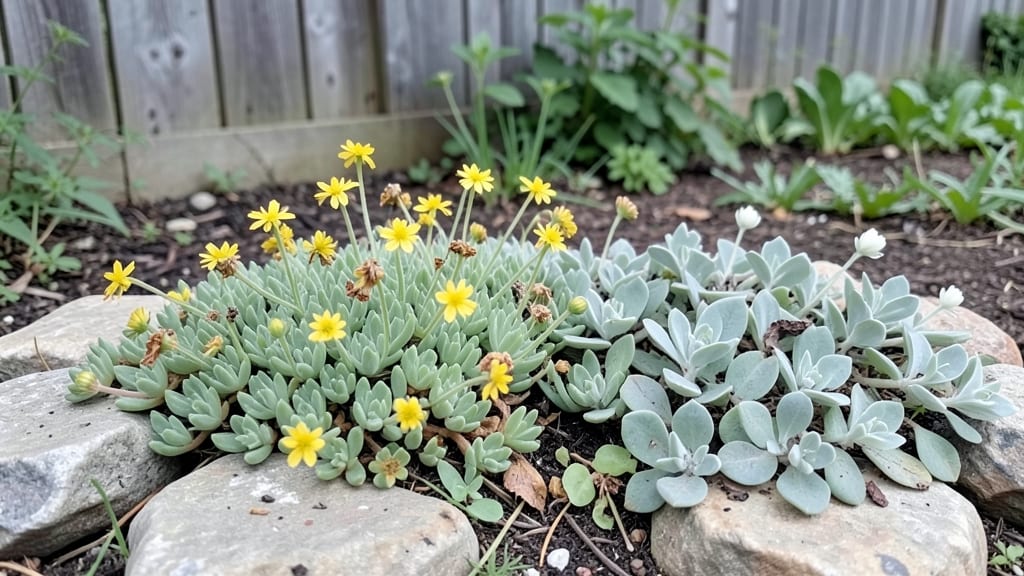
My grass in rocks garden transformed a boring stone wall into a thriving, zero-mess living tapestry—no soil piles, no weeds, just lush green cascading over rocks like a natural waterfall. 🌿 The key? Choosing drought-tolerant grasses like creeping thyme or sedum that cling to crevices while needing almost no care.
I started with a 5-foot section of stacked stones and a handful of cuttings, and within months, it looked like the garden had always belonged there.
This design works because it mimics nature’s own rocky slopes, where hardy grasses thrive without deep soil. You’ll need sunny exposure (at least 6 hours daily) and rocks with natural crevices for roots to anchor—no fancy prep required.
The best part? No weeding, no watering schedules, and zero soil mess to track indoors. Even my black thumb can’t kill this.
By summer’s end, you’ll have a velvety green vertical garden that hums with pollinators and stays vibrant through droughts. The texture contrasts beautifully with smooth stones, creating layers that feel wild yet intentional. Plus, it’s the ultimate low-maintenance solution for sloped areas, patios, or even indoor terrariums.
Works in containers, along fences, or as a ground cover—just adjust the rock size to your space. Here’s how to start yours without overcomplicating it.
Why it happens
Seeing grass sprouting from rocks or crevices might seem like magic—but it’s actually a clever survival strategy from nature. While this phenomenon can be frustrating for gardeners or homeowners, understanding the science behind it helps you combat it effectively.
Here’s why it happens, broken down into the key culprits and their mechanisms:
🌱 Seed Dispersal by Wind and Wildlife
Grass seeds are lightweight and designed to travel far. Wind carries them effortlessly, embedding them into cracks, crevices, and even porous rocks. Wildlife—like birds, squirrels, or even humans—unwittingly spread seeds when they brush against plants or walk through grassy areas.
Once lodged in a tiny gap, a single seed can germinate if conditions are right.
Actionable tip: Use seed traps (like fine mesh netting) around problem areas during high-wind seasons or after mowing to catch stray seeds before they take root.
💧 Moisture Trapped in Unexpected Places
Rocks and concrete aren’t waterproof—they absorb and retain moisture from rain, dew, or even irrigation overspray. Grass seeds need just 0.2 inches of water to germinate, and many rocks hold enough moisture in their crevices to trigger growth.
Even a thin layer of organic debris (like leaves or dirt) on rocks can hold water and create a micro-environment for seeds.
Actionable tip: Apply a waterproof sealant (like silicone-based products) to smooth surfaces or use gravel or mulch to block moisture retention in cracks.
🌡️ Temperature Fluctuations and Microclimates
Rocks absorb and radiate heat differently than soil, creating microclimates that can be surprisingly hospitable to grass. During the day, rocks heat up and warm the air around seeds, while at night, they cool slowly—mimicking the temperature swings grass thrives in.
Some rocks even retain enough heat to extend the growing season, allowing grass to sprout in shoulder seasons (spring/fall).
Actionable tip: For persistent areas, try heat-reflective mulch or black plastic sheeting (laid temporarily) to disrupt these microclimates and prevent seed activation.
🧪 Chemical Residues and Soil Contamination
If rocks or pavement were near a garden, construction site, or even a heavily fertilized lawn, residual soil or organic matter can cling to their surfaces.
Tiny particles of nutrient-rich soil or compost provide the minerals grass needs to grow, while herbicide-resistant strains (common in modern lawns) may survive in these pockets. Even salt or de-icing chemicals can leach into cracks, creating a salty environment that paradoxically encourages hardy grass species.
Actionable tip: Scrub surfaces with a pressure washer (on a low setting) or use a vinegar solution (1:1 ratio) to dissolve organic buildup before applying pre-emergent herbicides.
🌿 Grass’s Adaptive Resilience
Some grass species are biologically designed to exploit tiny spaces. For example, annual bluegrass and crabgrass produce seeds that can lie dormant for years until conditions are perfect. Their shallow root systems allow them to penetrate even the thinnest soil layers between rocks.
Additionally, grass can photosynthesize with minimal light, meaning it doesn’t need direct sunlight to germinate—just a crack in the shade.
Actionable tip: Target these species with post-emergent herbicides (like glyphosate) before they seed, or smother them with cardboard + mulch to block light.
Quick Fixes for Unwanted Grass Growth
If grass has invaded your rock garden or living wall, don’t panic—there are simple, effective ways to reclaim your space. Below are targeted solutions based on the most common causes, from overwatering to poor barriers. Each fix is designed to be practical, fast, and frustration-free. 🌱✨
🔥 Overwatering or Poor Drainage?
Grass thrives where moisture lingers. If your rocks retain too much water (or your irrigation system is overzealous), grass seeds will take root like weeds in a rainforest.
How to Fix It:
- 🔧 Adjust Watering Habits
- Switch to drip irrigation or a soaker hose—these deliver water directly to plants (not the rocks) and reduce runoff.
- Water early in the morning (before 10 AM) to allow excess moisture to evaporate by evening.
- Check for hidden leaks in hoses or emitters that might be creating soggy pockets.
- 🪨 Improve Drainage
- Add a 1–2 inch layer of gravel beneath your rocks to create an air gap. This prevents water from pooling at the base.
- For living walls, ensure drainage holes are unclogged and consider self-watering planters with overflow valves.
- 🌡️ Dry It Out (Temporary Fix)
- Skip watering for 3–5 days to let existing moisture evaporate. Grass seeds need consistent dampness to germinate.
- Use a fan on low near the affected area to speed up drying (great for small patches).
💡 Prevention Tips:
- Test your soil/rock mix with a moisture meter to avoid over-saturating.
- Group plants with similar water needs—succulents near cacti, ferns near other moisture-lovers.
- Mulch strategically: Use gravel or bark mulch (not organic) around the base of rocks to deter grass seeds.
🍳 No Physical Barrier?
Rocks alone won’t stop grass—seeds hitchhike on wind, tools, or even your shoes. Without a barrier, they’ll sprout like popcorn in a hot pan.
How to Fix It:
- 🛡️ Install a Grass Block
- Lay down landscape fabric (with UV protection) before adding rocks. Secure edges with landscape staples.
- For living walls, use geotextile fabric or hardware cloth (small mesh) to block seeds while allowing water through.
- 🧱 Create a Rock Border
- Line the perimeter of your garden with larger, flat rocks (2–3 inches thick) to physically block grass from creeping in.
- For edges, use edging metal or plastic strips buried 2–3 inches deep.
- 🔪 Manual Removal (For Small Patches)
- Grab a hand trowel or weeding knife and dig out grass at the root. Pull slowly to avoid breaking roots.
- For stubborn grass, soak the area first, then use a grub hoe to slice roots underground.
💡 Prevention Tips:
- Sweep regularly to remove grass clippings or seeds from tools/rocks.
- Avoid walking on rock beds—wear shoes or a plastic sheet to prevent seed transfer.
- Plant dense ground covers (like creeping thyme or sedum) to outcompete grass naturally.
👨🍳 Organic Matter Buildup?
If decaying leaves, mulch, or old plant debris are accumulating between rocks, they create a mini-soil bed—perfect for grass to sprout.
How to Fix It:
- 🧹 Deep Clean Between Rocks
- Use a leaf blower or shop vac to suck out debris from tight spaces.
- For stubborn gunk, spray with a vinegar-water mix (1:1 ratio), let sit 10 minutes, then scrub with a stiff brush.
- 🔄 Replace Contaminated Rocks
- If rocks are heavily coated in organic matter, rinse them with water and replace any that feel spongy or root-bound.
- Disinfect rocks by soaking in a 10% bleach solution (1 part bleach to 9 parts water) for 10 minutes, then rinse thoroughly.
- 🌡️ Bake It Out (For Sterilization)
- Spread rocks on a clean tarp in sunlight for 2–3 days to dry completely.
- For a faster kill, place rocks in a sunny, well-ventilated area and sprinkle with food-grade diatomaceous earth to dehydrate any remaining seeds.
💡 Prevention Tips:
- Use inorganic mulch (like pebbles or rubber chips) instead of wood chips near rock beds.
- Rake leaves and debris immediately—don’t let them accumulate.
- Rotate rocks seasonally to expose hidden seeds to sunlight (they’ll die within days).
⏰ Grass Already Established?
If grass has had time to root, you’ll need a two-step attack: kill existing growth and prevent regrowth.
How to Fix It:
- 💀 Smother or Burn (Non-Chemical)
- Smothering: Cover the area with black plastic sheeting for 4–6 weeks. The heat will kill grass roots.
- Flame Weeding: Use a propane torch (like a Weed Dragon) to singe grass—just pass it quickly over the surface. (Safety first: wear gloves and avoid windy days!)
- 🧴 Natural Herbicides
- Spray with a vinegar + dish soap + salt mix (1 gallon vinegar, 1 tbsp soap, 1 cup salt). Reapply after rain.
- For living walls, use a corn gluten meal pre-emergent (applied in early spring) to stop seeds from sprouting.
- 🛡️ Reinforce the Barrier
- After killing grass, remove all dead matter, then lay down landscape fabric + fresh rocks.
- For gaps, fill with coarse sand or decomposed granite to discourage new growth.
💡 Prevention Tips:
-
Frequently asked questions
What types of grass work best in rock gardens?
Drought-tolerant varieties like creeping thyme, sedum, or mosses thrive in rocky crevices with minimal soil. These plants need only 6 hours of sunlight and cling to rocks naturally, creating a lush, zero-mess look. Avoid tall grasses—they’ll flop over rocks and look unkempt.
How do I keep rocks clean for a living wall?
Start with sterilized rocks (rinse in 10% bleach solution or bake in sunlight for 3 days). Use landscape fabric beneath rocks to block seeds, and sweep regularly to remove debris. For existing growth, pull grass at the root or smother with black plastic for 4-6 weeks.
Can I use this technique indoors?
Yes! Create a mini terrarium with small rocks, moss, and low-light plants like fittonia or peperomia. Place it near a sunny window and mist lightly. For a zero-soil look, use air plants (tillandsias) that cling to rocks without soil—just spray them weekly.
What’s the best way to arrange rocks for grass growth?
Stack rocks with natural crevices (not perfectly flat) to create pockets for roots. Start with larger rocks at the base and smaller ones on top for a cascading effect. Leave 1-2 inch gaps between rocks to allow airflow and prevent moisture buildup.
How often should I water a rock garden?
Water once every 7-10 days during dry spells—just enough to dampen the rock crevices (not soak them). In humid climates, skip watering entirely. Use a spray bottle for delicate plants like moss. Overwatering is the #1 killer of rock gardens!