
Lawn
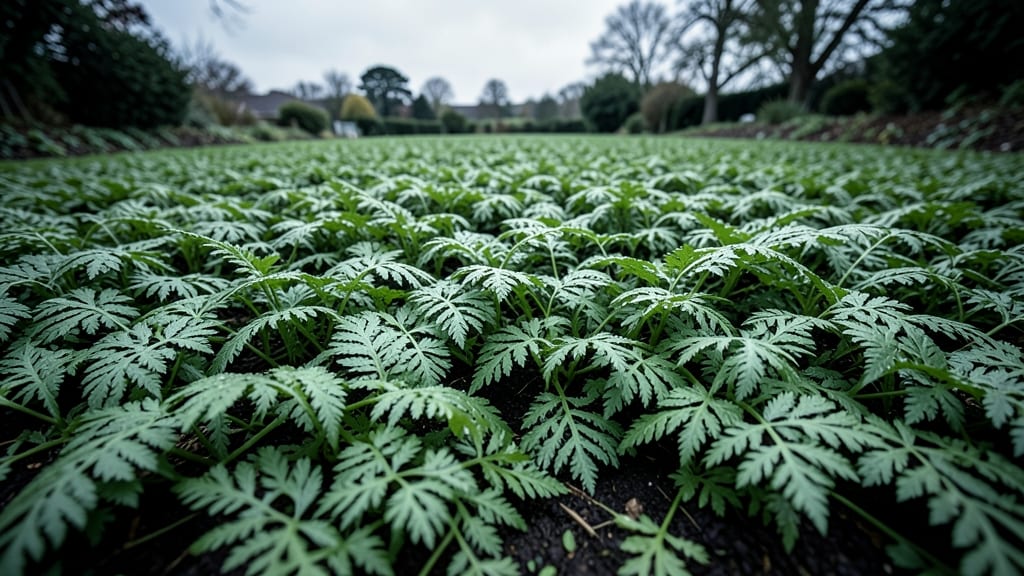
Struggling to distinguish fern-like weeds from desirable plants in your lawn? These 10 persistent invaders mimic ornamental ferns but can strangle grass and spread uncontrollably. Learn their telltale traits and proven removal methods to reclaim your yard.
Cinnamon Fern with Aggressive Growth Patterns
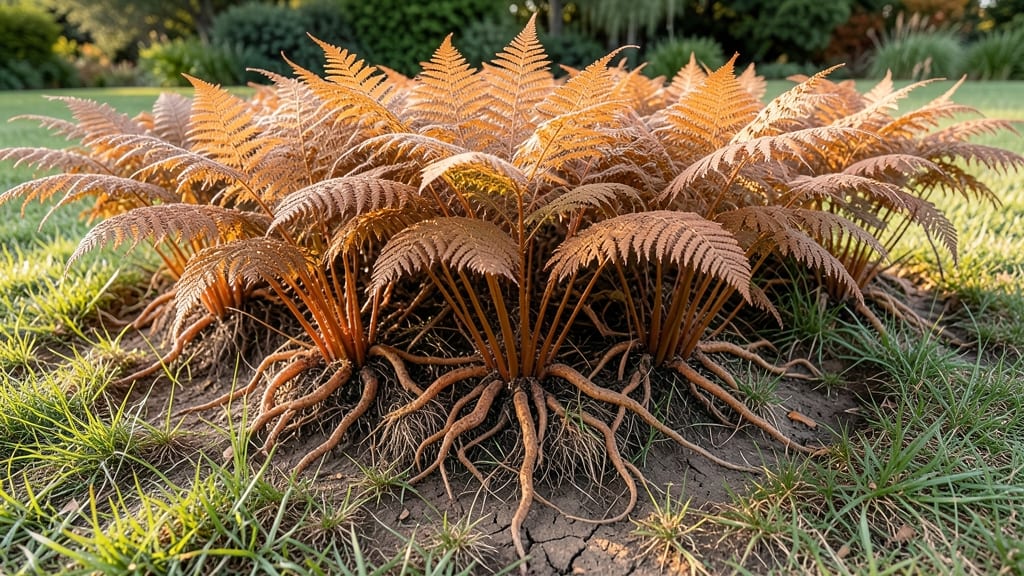
That lush, fern-like patch in your lawn might not be the ornamental beauty you planted—it could be cinnamon fern, a native weed with a sneaky spread. Unlike decorative ferns, this aggressive grower sends out underground rhizomes that form dense colonies, crowding out grass and creating thatch-resistant mats.
You’ll spot it by its two-toned fronds: bright green sterile leaves and cinnamon-brown fertile fronds at the base. Thriving in moist, shady lawns, it’s particularly problematic in spring when it emerges early and outcompetes grass. The key to control? Pull plants before they go to seed and improve lawn drainage to discourage its spread.
Homeowners with damp lawns or shady patches should watch for this one—it’s often the first fern-like weed to take over before you realize it’s not part of your garden design. 💚
Bracken Fern Spreading Through Lawn Cracks
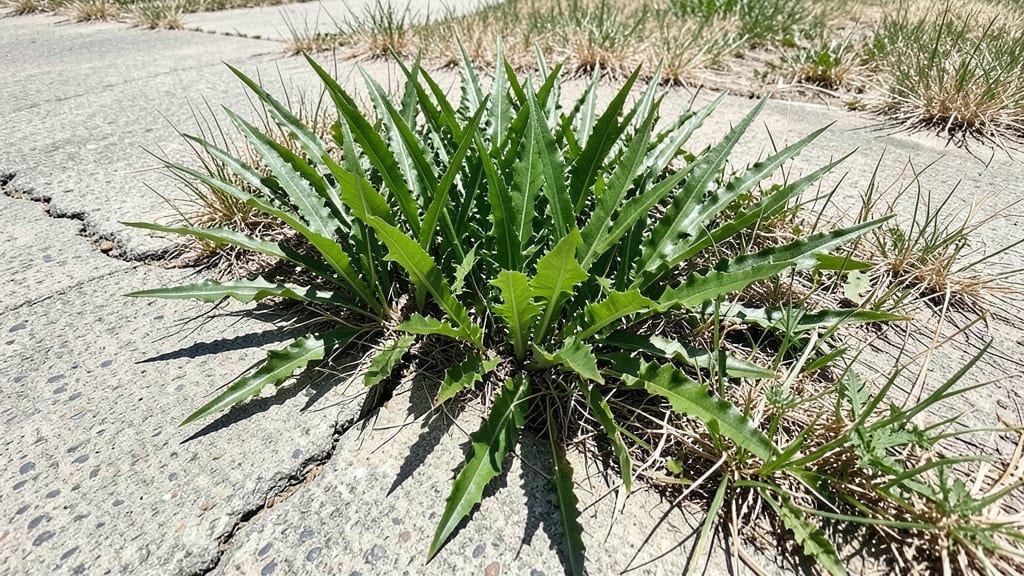
If your lawn has suddenly developed triangular fronds along sidewalk edges or pavement cracks, you’re likely dealing with bracken fern—a sneaky invader that starts small but quickly forms dense thickets. Unlike ornamental ferns, this weed thrives in dry, sunny conditions, making it a common problem in arid climates where grass struggles to compete.
The real challenge? Bracken fern spreads via underground runners that can grow up to 3 feet long, slipping through tiny cracks in concrete before overtaking grass. Its golden-brown fertile fronds (visible in late summer) are a dead giveaway, but by then, the damage is done. Hand-pulling is futile—you’ll need a trench-and-smother method (digging a 6-inch trench around colonies and covering with cardboard) to starve the roots.
Urban gardeners and dry-climate lawn owners should act fast—bracken fern can double its spread in a single season. 💪
Lady Fern Overrunning Shady Lawn Areas
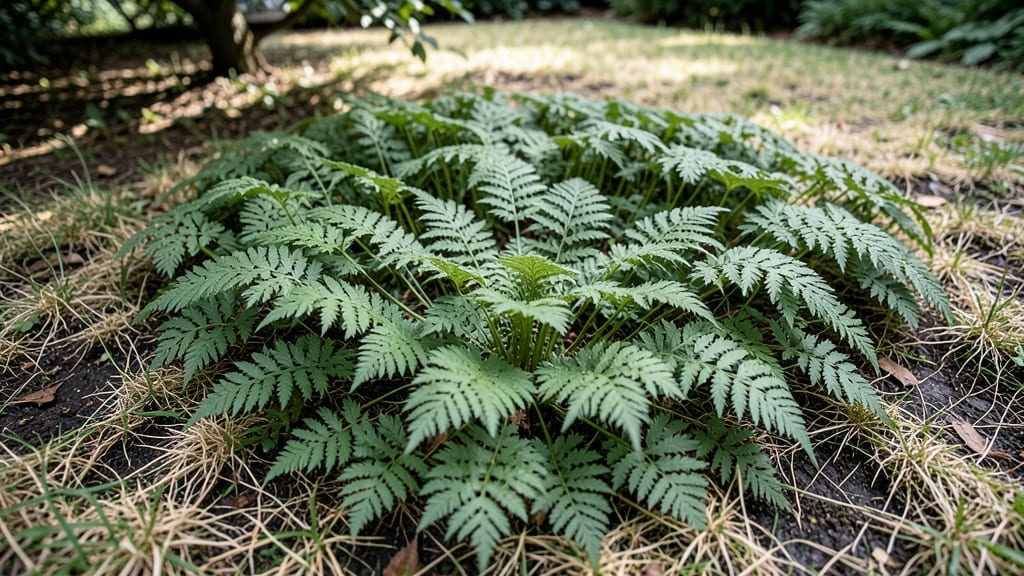
If your shady lawn looks more like a fern forest than a grassy carpet, lady fern might be the culprit. This delicate-looking plant thrives in partial shade but becomes a relentless competitor in damp, poorly drained areas, forming tight circular colonies that smother grass roots.
Lady fern spreads via underground rhizomes, creating thick thatch layers that resist mowing and block sunlight from reaching grass below. The key to control is improving drainage—amend soil with compost and consider overseeding with shade-tolerant grass varieties like fine fescue. For stubborn patches, hand-pulling in early spring (when fronds are young) works best. 💚
Sensitive Fern with Toxic Root Systems
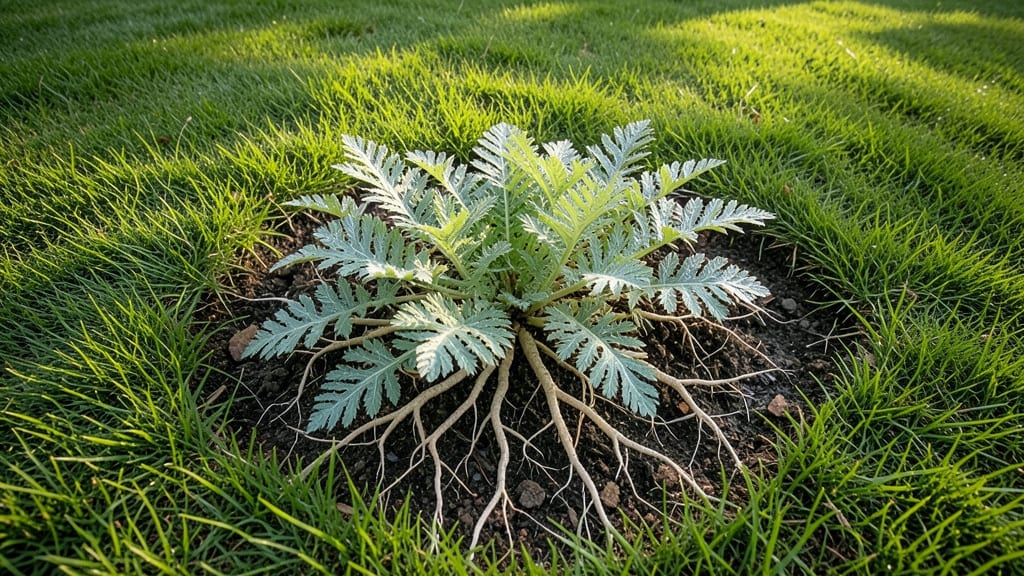
If your lawn has mysterious fern-like patches where grass refuses to grow, you might be dealing with sensitive fern—a weed with a sneaky secret. This plant earns its name by folding its delicate fronds when touched, but its real danger lies underground.
The toxic compounds in its roots create a 2-foot "no-grass zone" around each plant, stunting lawn growth and leaving bare spots. To remove it, dig out the entire root system (including rhizomes) or smother it with thick mulch—hand-pulling alone won’t stop its chemical warfare. This weed thrives in moist, shaded areas, so improving drainage and sunlight exposure can help prevent its return.
Homeowners with shady lawns or poorly drained yards should watch for this one—its chemical warfare makes it a silent grass-killer. 💚
Ostrich Fern Dominating Wet Lawn Spots
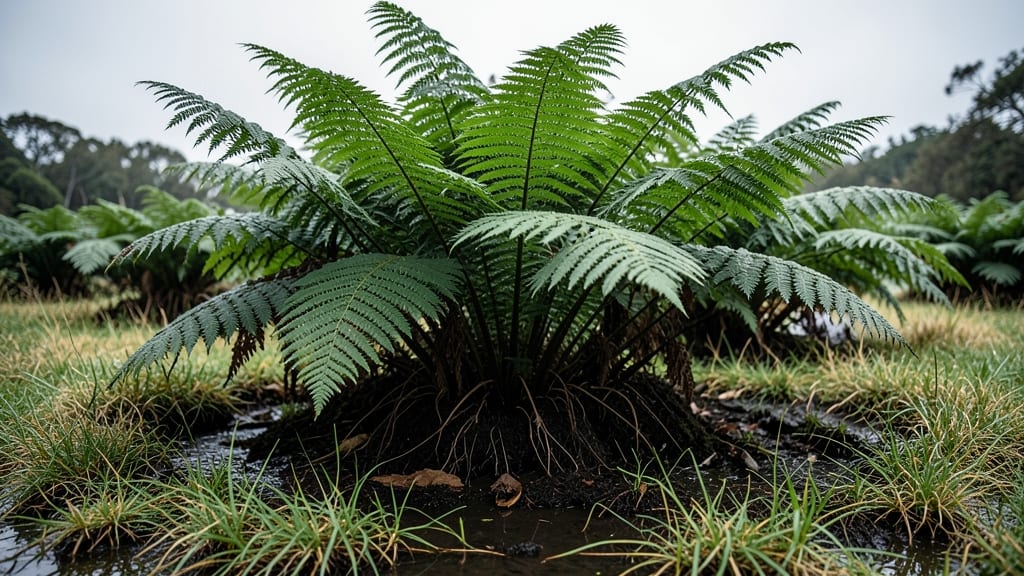
If your lawn has soggy patches where grass refuses to grow, you might be dealing with ostrich fern—a towering, aggressive invader that thrives in waterlogged soil. Unlike other fern weeds, this one grows up to 5 feet tall, creating dense thickets that block sunlight and smother grass roots completely.
Ostrich fern spreads through extensive underground rhizomes, making it nearly impossible to remove with spot treatments. The only effective method is complete soil disturbance—digging up the entire root system or smothering the area with thick cardboard and mulch for at least 6 months. Its deep green, arching fronds are a dead giveaway, especially in low-lying areas where water pools after rain.
Homeowners with poor drainage or frequently wet lawns should prioritize this fern—it’s one of the most stubborn fern-like weeds to eradicate. 🌱
Hairy Wood Fern Invading Lawn Edges
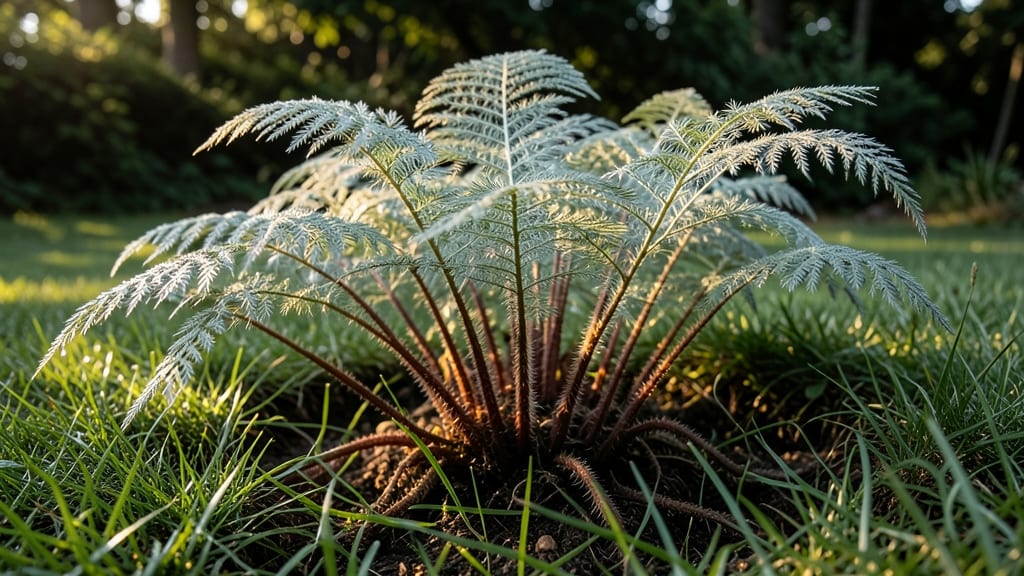
If your lawn edges feel like a battleground between grass and ferns, the hairy wood fern is likely the culprit. This sneaky invader thrives in the transition zones between lawns and wooded areas, using its hairy stems and creeping rhizomes to silently claim territory.
Look for its fine, delicate fronds that emerge from fuzzy stems—unlike ornamental ferns, these grow aggressively along property lines and under trees. The key to stopping it? Pull early before rhizomes spread deeper, or smother with thick mulch to block sunlight. Gardeners with shaded lawns should watch for this one first. 🌿
Maidenhair Fern Spreading via Spores
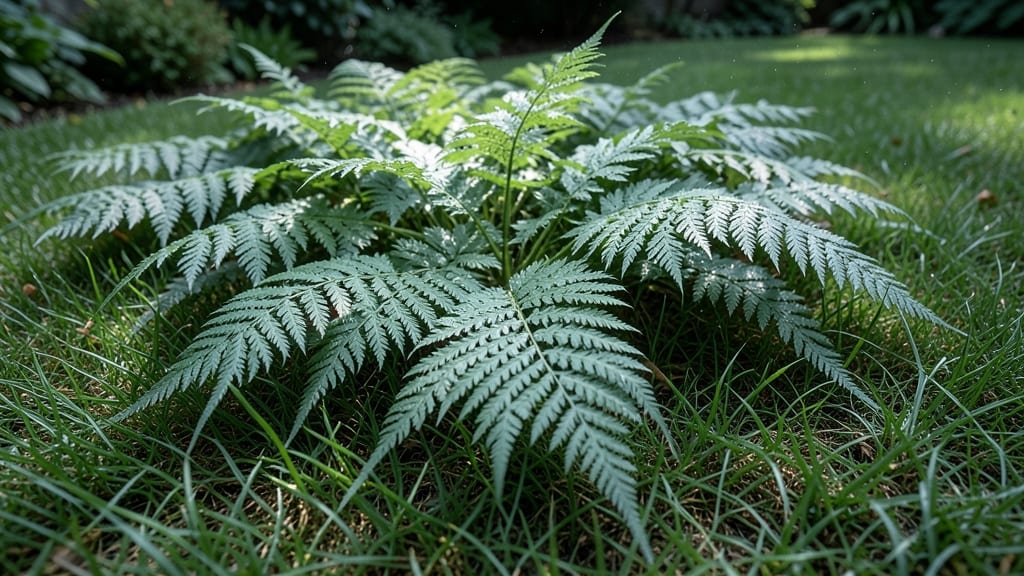
That delicate, lacy maidenhair fern you might admire in shady garden spots could be silently turning your lawn into a spore factory. Unlike other ferns that spread through roots or runners, maidenhair ferns release millions of microscopic spores that hitchhike on wind, water, and even lawn equipment to create new colonies in damp, shaded areas.
These spores thrive in high-humidity microclimates—think under dense tree canopies or near foundation plants where grass struggles. The fern's fan-shaped fronds may look ornamental, but each mature plant can produce enough spores to carpet a 3-foot radius within a season. The key to stopping its spread? Remove entire plants before they release spores, and improve lawn drainage to make conditions less hospitable.
This fern poses the biggest threat to gardeners in shady, moist lawns who prioritize aesthetics over weed prevention. A single overlooked plant can turn your lawn into a fern forest before you realize what's happening. 🌿
Interrupted Fern with Segmented Fronds
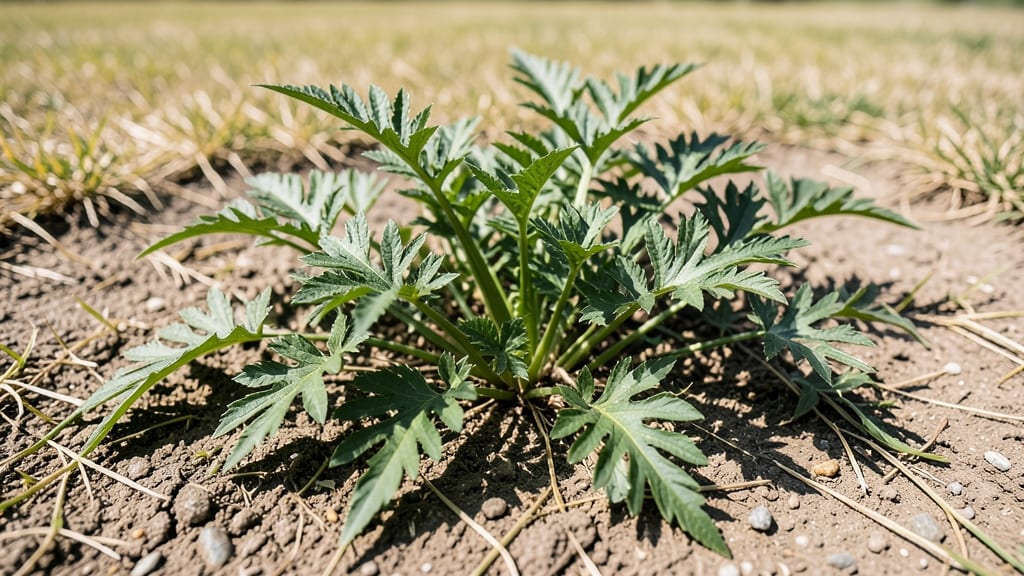
If your lawn has bare patches that refuse to grow grass no matter how much you overseed, Interrupted Fern might be the culprit. This sneaky weed thrives in disturbed soil—think construction sites, freshly tilled beds, or even your dog's favorite digging spots—and its segmented fronds (with alternating light and dark green sections) give it away.
The real problem? It spreads via underground rhizomes that send up new fronds in a matter of weeks. Once established, it smothers grass roots, leaving behind thin, patchy lawns that look like a botanical jigsaw puzzle. The key to stopping it is acting fast—pull plants before they go to seed, and reseed bare spots with a dense grass mix to outcompete regrowth.
Homeowners with sandy or rocky soils see the most damage, but even urban gardeners can spot it near sidewalks or driveways. 🌱
Bristly Spleenwort Clinging to Pavement
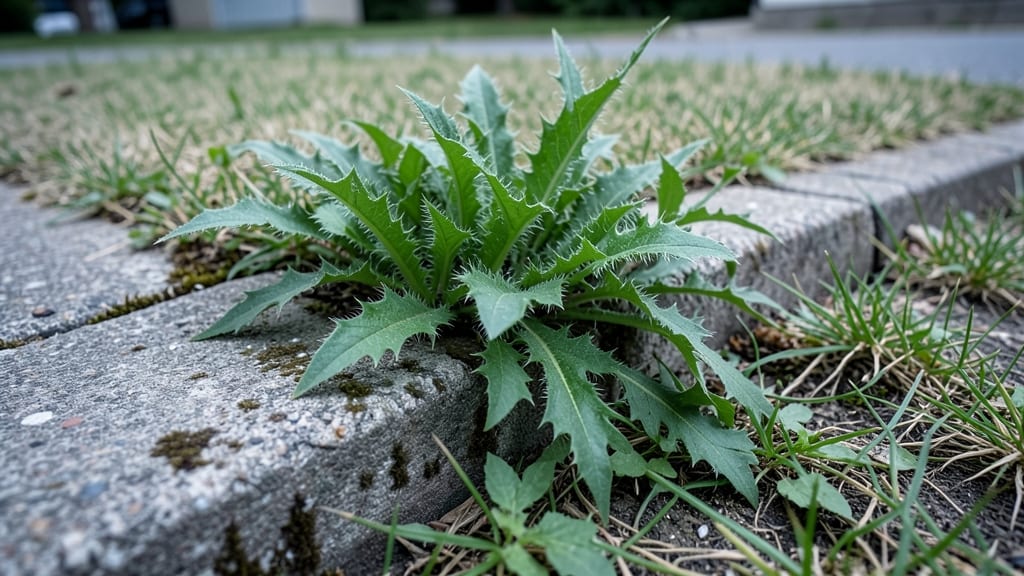
If your urban lawn seems to be taking over the concrete edges first, you might be dealing with bristly spleenwort—a fern that thrives in cracks and crevices before marching into grassy areas. Unlike other ferns, this one is particularly stubborn, often resisting conventional herbicides and clinging to pavement like a determined hitchhiker.
This drought-tolerant fern grows in tight clusters with small, triangular fronds that have a rough, almost bristly texture—hence its name. It prefers partial shade but can adapt to full sun in urban settings, making it a common sight along sidewalks, driveways, and foundation plantings. The key to control is early action: hand-pulling or smothering with cardboard before it spreads.
Urban gardeners and city dwellers will find this fern particularly persistent, often returning after rain or soil disturbance. Focus on removing the roots completely and improving lawn drainage to discourage its return. 🌱
Christmas Fern Forming Dense Lawn Mats

If your lawn looks like an impenetrable green carpet with no grass in sight, you might be dealing with Christmas fern—a tough, evergreen weed that thrives in shaded areas and smothers grass roots. Unlike seasonal weeds, this one stays put year-round, creating a dense mat that blocks sunlight and prevents new grass from growing.
This fern's leathery, glossy fronds (with distinctive dark green color) spread via underground rhizomes, making it nearly impossible to pull by hand. To remove it, use smothering techniques like laying thick cardboard or black plastic over the area for 6-12 months to starve the roots of sunlight. Avoid herbicides, as they often fail to penetrate the dense foliage.
Perfect for gardeners in shady, moist lawns, Christmas fern removal requires patience—but once gone, your grass will finally have a fighting chance. 💪