
Lawn
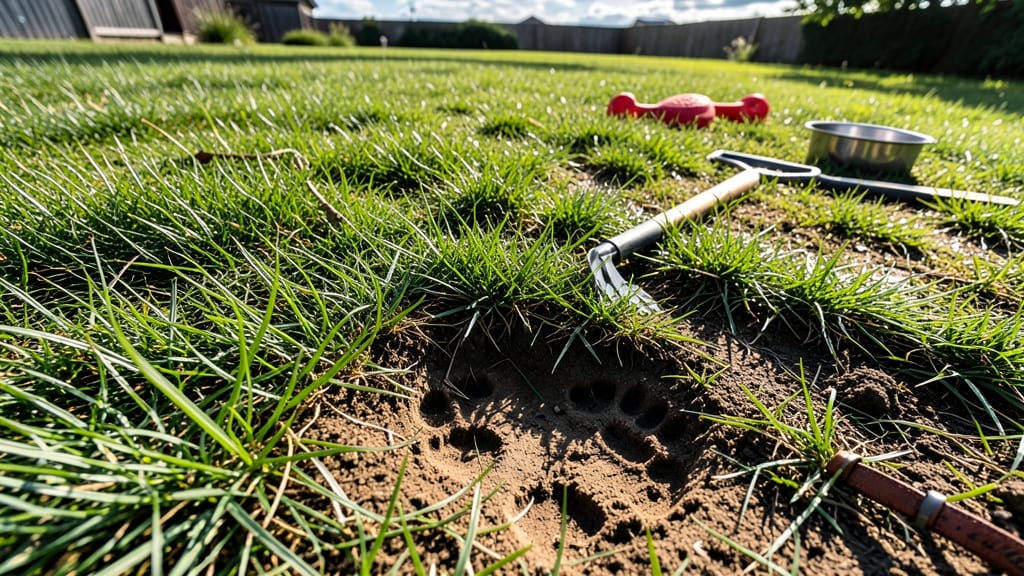
Your dog’s muddy paws and yellow patches don’t have to mean goodbye to green grass. 🌱 I’ve nursed back a dog-damaged lawn chewed up by pups—even the ones where the soil looked like cement—and here’s how to revive yours in just 72 hours without breaking the bank or the peace of mind.
The real culprits aren’t just mud or urine—it’s soil compaction from constant pawing and nutrient burn from concentrated dog spots. The good news? A little aeration, smart watering, and the right grass types can turn your yard from sad to lush faster than you’d think.
I’ll show you how to spot the damage and fix it before your neighbors even notice.
By the end, you’ll have a lawn that stays green under paws, not just after them. No more patchy eyesores—just a yard your dog can wreck and you can still enjoy. The secret? A two-step process that works even for the most destructive pups.
Works for all lawn types—cool-season grasses like fescue or warm-season like Bermuda. Let’s get your yard back to the way it was before your pup turned it into a construction site.
The Root Causes of Lawn Destruction
When your once-lush lawn starts looking like a warzone thanks to your furry friend, it’s usually not just one thing to blame—it’s a mix of behaviors, biology, and even your dog’s personality.
Understanding why your lawn is suffering is the first step to fixing it. Let’s dig into the science (and the poop) behind the damage.
Dogs are natural diggers—it’s in their DNA! Whether it’s a genetic trait from their wild ancestors or simply boredom, your pup might be turning your lawn into a construction site. Here’s why they do it:
- Breed tendencies: Terriers (like Jack Russell or Dachshunds) and hounds (like Beagles) are bred to dig for prey or track scents. Their instincts override their training.
- Boredom or anxiety: Dogs left alone for long hours may dig to self-soothe or relieve stress. A tired dog is a less destructive dog!
- Cool relief: In hot weather, dogs dig to find cooler soil. If your lawn is baking, they’ll seek shade—and your grass will pay the price.
Actionable fix: Provide a designated digging area (like a sandbox or a patch of bare soil) and redirect their energy with toys or training. A tired dog is less likely to turn your yard into a moonscape.
Dogs don’t just trample grass—they compact the soil beneath it, smothering roots and preventing water absorption. And let’s not forget the other byproduct of their time outside.
- Soil compaction: Every paw print compresses the soil, reducing airflow and water drainage. Over time, this suffocates grass roots, leading to patchy, weak spots.
- Nutrient overload (or imbalance):
- Too much nitrogen: Dog urine is highly concentrated with nitrogen, which can burn grass if not diluted. Frequent urination in one spot turns green grass yellow.
- Too little decomposition: Solid waste (poop) can actually fertilize soil—but only if spread thinly. Piles of waste create bare spots by blocking sunlight and suffocating grass.
Actionable fix:
- Dilute urine spots with water immediately after your dog goes.
- Rake and redistribute solid waste to prevent concentrated piles.
- Consider a dog-friendly lawn fertilizer to balance nutrients.
Dogs love to run, play, and—let’s be honest—mark their territory. But constant foot traffic (especially from heavy breeds) can turn your lawn into a muddy mess or a dusty wasteland.
- Grass stress: High-traffic areas compact soil, crush blades of grass, and prevent regrowth. Even resilient grass like Bermuda struggles under relentless paw prints.
- Seasonal damage: Wet lawns become slippery and sticky under paws, leading to clumps of torn grass. Dry lawns turn to powder, exposing bare soil.
- Uneven wear: Dogs often gravitate to the same spots (near water bowls, favorite play areas, or shade trees), creating permanent bald patches.
Actionable fix:
- Designate a play zone with artificial turf or gravel to protect high-traffic areas.
- Train your dog to avoid certain spots using positive reinforcement (treats for good behavior!).
- Water deeply but infrequently to strengthen grass roots and reduce compaction.
Not all grass is created equal—and neither are all dogs. Some breeds (or lawns) are simply a bad match.
- Delicate grass varieties: Fine fescue or Kentucky bluegrass can’t handle heavy dog traffic. Their shallow roots are easily crushed.
- Slow recovery rates: Even tough grasses like Zoysia or Buffalo grass take time to bounce back from damage. If your dog is relentless, the grass may never fully heal.
- Shade vs. sun preferences: If your lawn has patchy sunlight (thanks to trees or structures), some grass types will struggle to grow back evenly—especially where dogs congregate.
Actionable fix:
- Switch to dog-resistant grass like Tall Fescue or Centipede grass, which tolerate foot traffic better.
- Overseed bare spots with a fast-growing grass mix designed for high-traffic areas.
- Consider clover or moss in high-use zones—they’re softer on paws and recover faster.
Damaged lawns aren’t just ugly—they’re inviting to pests and fungi that thrive in compacted, nutrient-deprived soil.
- Fungal infections: Wet, compacted soil from dog urine and paw prints creates the perfect breeding ground for Fusarium or Rhizoctonia fungi, causing brown patches.
- Grubs and insects: Compacted soil traps moisture, attracting grubs that chew grass roots. Dogs digging only makes it worse!
- Weed takeover: Bare spots from trampled grass allow weeds like crabgrass or dandelions to move in, crowding out your lawn.
Actionable fix:
- Apply a fungicide if you spot suspicious brown patches.
- Use beneficial nematodes to combat grubs naturally.
- Prevent weeds with a pre-emergent herbicide in early spring.
Now that you know why your lawn is suffering, the next step is repairing the damage—fast. The good news? With the right strategies, your lawn can be back to its lush self in just 72 hours! 🌱✨
Quick Fixes for Torn-Up Yard
A dog-damaged lawn doesn’t have to stay that way—with the right approach, you can restore your grass in just 72 hours (or less!). The key is identifying the root cause and applying targeted solutions.
Below, we’ll break down the most common issues and how to tackle them fast, plus long-term prevention tips to keep your yard lush and intact.
If your lawn has bare patches where your pup digs or relieves themselves, the soil underneath is likely compacted or nutrient-depleted.
🔧 Step-by-Step Repair 1. 🔥 Remove Debris – Clear out rocks, old grass, and any dog waste from the affected area. 2. 🍳 Loosen the Soil – Use a garden rake or aerator to break up compacted earth.
This helps roots grow deeper. 3. 👨🍳 Top-Dress with Soil Mix – Add a 1-inch layer of high-quality topsoil or a 50/50 mix of topsoil and compost to replenish nutrients.
- 🥘 Plant New Grass Seed – Choose fast-growing seed blends (like ryegrass or Bermuda grass) and press lightly into the soil.
- 💧 Water Gently – Keep the area moist (not soggy) for the first 7–10 days to help seeds germinate.
✨ Pro Tip: If the soil is very hard, rent a core aerator for deeper penetration—it makes a huge difference!
Dog urine is high in nitrogen, which can burn grass and leave yellow patches. The fix? Dilute the nitrogen and protect your lawn.
🧪 How to Fix Urine Damage
| Problem | Solution | Prevention |
|---|---|---|
| Yellow patches | Water the area immediately after your dog goes—this dilutes the urine. | Train your dog to pee on gravel or mulch (not grass). |
| Brown, crispy grass | Apply a low-nitrogen fertilizer (like a 5-10-10) to recover. | Collect urine in a bucket and dilute it (1:10 ratio) to use as fertilizer elsewhere. |
| Slow recovery | Overseed the damaged spots with shade-tolerant grass (like fine fescue). | Rotate potty spots to prevent long-term damage. |
💡 Quick Fix: If the damage is small, sprinkle cornmeal (it’s a natural nitrogen absorber) over the spot and water it in.
If your dog is digging holes, they’re likely bored, stressed, or marking territory. Stop the destruction with these tricks:
🐾 How to Stop Digging
- 🎯 Provide a Digging Zone – Bury a plastic bin filled with sand or a digging mat in a corner of the yard.
- 🏃♂️ Increase Exercise – A tired dog is a happy, non-destructive dog.
Add 30+ minutes of playtime daily. - 🧠 Mental Stimulation – Use snuffle mats, puzzle toys, or training sessions to tire their brain. - 🚫 Block Access – If digging is repetitive, temporarily cover the area with chicken wire until habits change.
🔥 Fast Patch-Up: Fill holes with sand or potting mix (dries faster than dirt) and level it out before reseeding.
Once you’ve fixed the damage, keep it from happening again with these low-effort habits:
- 💧 Water Deeply & Infrequently – Encourages deep roots, making grass more resilient to dog damage.
- 🌱 Choose Dog-Friendly Grass – Tall fescue or Kentucky bluegrass bounce back better than thin turf.
- 🛡️ Use a Doggy Doo Patch – A gravel or mulch potty area keeps urine off grass.
- 🌡️ Mow High – 3–4 inches makes grass thicker and tougher.
- 🎯 Train with Positive Reinforcement – Reward your pup for peeing in the right spot (treats work wonders!).
🚀 Final Thought: Most dog-damaged lawns can fully recover in 3–4 weeks with the right care. Start with the biggest issues first, then maintain with preventive habits—your yard (and your dog) will thank you!
Frequently asked questions
Why does my dog keep digging in the same spots?
Dogs dig for instinctual reasons like hunting, cooling off, or marking territory. Breeds like terriers or hounds are especially prone to it. To redirect them, provide a designated digging area with sand or a buried bin, or increase playtime to tire them out. Rotating their favorite spots can also help prevent permanent damage.
How can I tell if my lawn damage is from urine or soil compaction?
Urine damage shows as yellow or brown patches where your dog frequently pees, while compaction appears as hard, bare soil with no grass growth. Test by pressing your finger into the soil—if it springs back, it’s likely compaction. Urine spots often recover faster with watering, while compacted areas need aeration.
What’s the fastest way to fix muddy paw prints?
For fresh mud, sprinkle a thin layer of dry sand or coconut coir over the prints, then gently sweep it into the grass. For deeper mud, mix equal parts sand and topsoil to fill the holes, then water lightly. Avoid heavy foot traffic until the area dries completely (usually 24-48 hours).
Can I use dog urine as fertilizer elsewhere in my garden?
Yes, but it must be diluted first! Collect urine in a bucket and mix it with water at a 1:10 ratio before applying to non-edible plants like shrubs or ornamental flowers. Never use it directly on vegetables or fruits—it can contain harmful bacteria. Always wear gloves when handling.
Will reseeding work if my dog keeps trampling the new grass?
Not without protection! Reseed only after implementing preventative measures like a designated play area or training your dog to avoid the spot. For high-traffic zones, consider artificial turf or clover, which recovers faster than traditional grass. Apply a temporary barrier (like chicken wire) until the new grass establishes roots (2-3 weeks).