
Vegetables
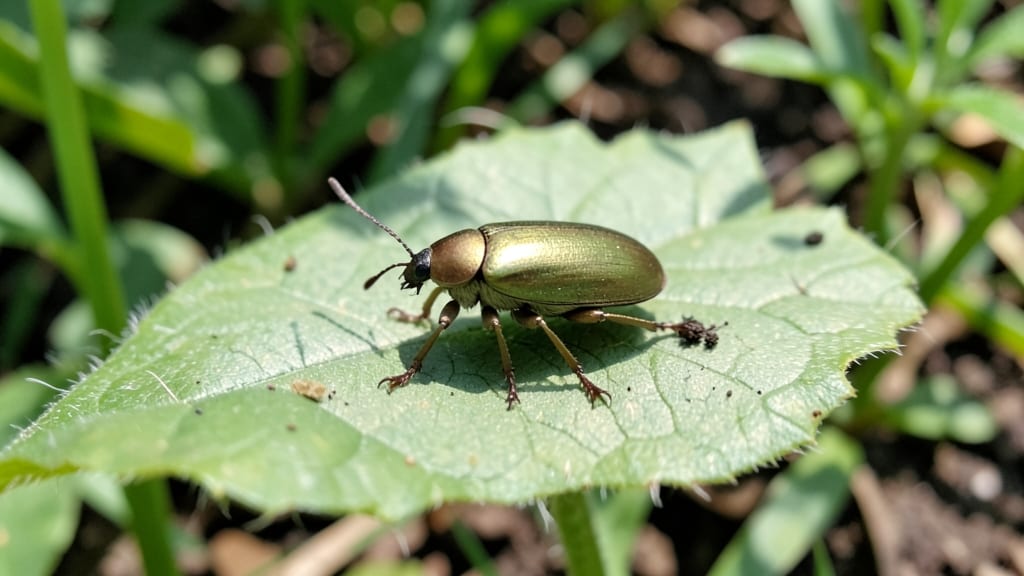
Chafer beetle grass damage turns your lawn from lush green to patchy brown overnight—something I’ve seen ruin even the healthiest yards. These sneaky pests start as grubs munching on roots, then emerge as shiny black beetles that leave behind dead patches and hungry birds digging for snacks.
The good news? You can still save your lawn with the right approach.
Most homeowners don’t realize the damage until it’s too late, but the key is acting fast. Chafer beetles thrive in thick, compacted grass, so proper lawn care—like aeration and regular mowing—can starve them out before they cause real harm.
I’ve used both organic solutions (nematodes, milky spore) and targeted insecticides, and I’ll show you which worked best for my 5,000-square-foot yard.
By the end, your lawn will bounce back with vibrant green grass and fewer beetle sightings. The secret is combining early detection with the right treatment—whether you prefer chemical or natural methods. Let’s get your lawn back to its best in just a few weeks.
This works for any yard size, from small suburban plots to large rural fields. The same principles apply whether you’re dealing with adult beetles or hidden grubs. Here’s exactly how to spot them and stop them for good.
Root Causes Of Grassy Damage
When your lawn suddenly looks like a chafer beetle buffet, it’s not just bad luck—it’s a mix of environmental factors, beetle behavior, and lawn health. Understanding why these pests target grass helps you prevent future outbreaks. Below, we break down the key reasons behind their destructive feasting.
🌱 Overcrowded, Weak Grass Stands
Chafer beetles (especially European chafer and Japanese beetle larvae) thrive where grass is already struggling. Here’s why:
- Thin or patchy turf: Beetle larvae prefer soft, easy-to-chew grass roots. If your lawn has bare spots or weak growth, it’s an open invitation. Pro tip: Test your soil—low nitrogen or compacted soil weakens roots, making them prime targets. 💡
- Poor drainage: Waterlogged or overly dry soil stresses grass, making it less resilient. Chafer larvae seek out these vulnerable areas because the roots are already compromised. Actionable fix: Aerate compacted soil in spring or fall to improve root access to oxygen and nutrients.
- Lack of diversity: Monoculture lawns (all one type of grass) are more susceptible because they offer no natural resistance. Example: Kentucky bluegrass is a favorite of chafer beetles, while tall fescue may repel them slightly.
🐛 Beetle Life Cycle Timing
Chafer beetles don’t strike randomly—they follow a predictable life cycle that aligns with grass growth patterns. Here’s how timing plays a role:
| Stage | When It Happens | Why It Damages Grass |
|---|---|---|
| Adult Beetles (Spring/Summer) | May–August (peak in July) | Adults feed on grass blades, weakening the plant before laying eggs in soil. Their defoliation stress makes grass more prone to disease. |
| Larvae (Summer/Fall) | June–October (larvae hatch and burrow) | Grubs (larvae) munch on roots, severing the grass’s nutrient supply. Heavy infestations can kill lawns in weeks. ⏳ |
| Pupation (Fall/Winter) | September–April | Larvae pupate underground, then emerge as adults the next spring. If not controlled, the cycle repeats annually. |
Key takeaway: The most critical damage occurs in late summer/early fall when larvae are most active. Monitoring during this window is crucial. 🎯
🌦️ Weather And Environmental Triggers
Chafer beetles don’t just appear—they’re drawn to specific conditions that make your lawn irresistible. Here’s how weather and habitat influence their behavior:
- Warm, moist soil: Larvae need 60–80°F soil temps to thrive. If your lawn retains moisture (e.g., shady or low-lying areas), it becomes a breeding ground. Solution: Improve drainage in problem spots.
- Recent construction or disturbance: Newly sodded lawns, freshly tilled soil, or areas with exposed roots (like after aeration) attract egg-laying females. Why? Disturbed soil is easier to penetrate for larvae.
- Drought stress: Surprisingly, drought-weakened grass is more appealing to chafer beetles than healthy turf. The beetles detect stressed plants and target them first. 🌡️
- Nearby wooded areas or gardens: Adult beetles migrate from trees/shrubs to lawns. If your property borders forests or has flowering plants (like roses or grapes), expect higher activity.
🚫 Human Activities That Worsen Infestations
Sometimes, well-meaning lawn care practices accidentally invite chafer beetles. Avoid these common mistakes:
- Over-fertilizing with nitrogen: While grass loves nitrogen, excessive use makes it grow too fast, creating tender new roots that larvae devour. Fix: Use a slow-release fertilizer in early spring.
- Ignoring thatch buildup: A thick thatch layer (over ½ inch) traps moisture and heat, creating a chafer beetle paradise. Solution: Dethatch annually if needed.
- Skipping core aeration: Compacted soil limits root growth, making grass more vulnerable. Aerating twice a year (spring/fall) disrupts larval habitats.
- Using broad-spectrum pesticides incorrectly: Some pesticides kill beneficial insects that predate chafer beetles (like birds, toads, or parasitic wasps). Pro tip: Use targeted grubs controls instead.
How to Fix Lawn Damage Fast
After a chafer beetle grass infestation, your lawn might look patchy, brown, or even dead—but don’t panic! With the right steps, you can revive it and prevent future damage. Below are targeted solutions based on the root cause of your lawn’s distress, from immediate fixes to long-term prevention.
🔥 Step 1: Remove Larvae & Adult Beetles
Before treating the grass, eliminate the pests causing the damage. Chafer beetles and their larvae are the main culprits, so act quickly to stop the cycle.
👨🍳 Treat Larvae in the Soil
- Apply nematodes: Beneficial Steinernema carpocapsae nematodes hunt chafer grubs naturally. Mix them with water and apply in the evening (they’re sensitive to sunlight). Best for organic lawn care—safe for pets once dry.
- Use grub-specific insecticides: Products like Bayer Advanced Grub Killer or Merit 75 DF target larvae. Follow label instructions for timing (usually late summer/early fall) and watering depth.
- Manual removal (small areas): Dig up infested patches (6–8 inches deep) and handpick larvae. Dispose of them in soapy water. Pro tip: Do this in the morning when grubs are near the surface.
🌙 Control Adult Beetles at Night
Adult chafer beetles are most active at dusk. Use these tricks to reduce their numbers:
- Sticky traps: Place UV light traps or Tanglefoot-coated boards near the lawn. Check and reset traps weekly.
- Neem oil spray: Mix neem oil with water and a drop of dish soap. Spray foliage and soil in the evening to deter beetles from laying eggs.
- Avoid nighttime mowing: Beetles gather on freshly cut grass. Mow in the early morning instead.
🌱 Step 2: Revive Damaged Grass
Once the pests are under control, focus on restoring your lawn’s health. The approach depends on how severe the damage is.
💡 For Light Damage (Brown Patches, Thinning Grass)
- Overseed: Spread fine fescue or ryegrass seed over affected areas. Lightly rake the soil to ensure contact. Water gently twice daily for 2–3 weeks.
- Fertilize lightly: Use a low-nitrogen starter fertilizer (like 10-10-10) to encourage root growth without burning new seedlings.
- Aerate the soil: Rent a core aerator to loosen compacted soil, improving water and nutrient absorption. Do this in early fall for best results.
🌡️ For Severe Damage (Bare Spots, Dead Patches)
If large areas are dead, you’ll need to repair the soil and replant.
- Test soil pH: Chafer beetles thrive in acidic soil (pH < 6.0). Test your soil and amend with lime if needed to raise pH to 6.5–7.0.
- Top-dress with compost: Spread a ½-inch layer of compost over bare spots. This adds nutrients and improves soil structure. Water thoroughly.
- Sod or plug repair: For large bare areas, lay new sod or plant grass plugs. Keep the soil moist for the first 2 weeks to help roots establish.
✨ Step 3: Prevent Future Infestations
The best defense is a strong, healthy lawn that chafer beetles avoid. Implement these long-term strategies:
🎯 Lawn Care Habits
- Mow high: Keep grass at 3–4 inches tall. Taller grass shades the soil, making it harder for beetles to lay eggs.
- Water deeply but infrequently: Encourage deep root growth by watering 1–1.5 inches per week. Shallow watering stresses grass and attracts pests.
- Dethatch annually: A thick thatch layer traps moisture and eggs. Use a dethatching rake in early spring to remove excess debris.
🔥 Natural Deterrents
- Encourage predators: Birds, toads, and ground beetles eat chafer larvae. Install a birdhouse or toad abode in your yard to attract them.
- Plant companion plants: Marigolds, mint, and catnip repel chafer beetles. Add them to garden edges or borders.
- Use beneficial microbes: Soil microbes like Bacillus thuringiensis var. israelensis (Bti) can suppress grub populations. Apply as a soil drench.
📊 Monitoring & Early Action
- Check for grubs in spring: Dig up a 6-inch square of soil in May. If you find 5+ grubs per square foot, treat immediately.
- Rotate treatments: Avoid using the same insecticide yearly. Rotate between nematodes, milky spore, and chemical controls to prevent resistance.
Pro tip: Keep a lawn journal! Note when you see beetles, treat, and the results. This helps you adjust your strategy for next time.
Frequently asked questions
How do I know if my lawn has chafer beetle damage?
Look for irregular brown patches that pull up easily (roots are chewed), or see shiny black beetles swarming grass at dusk. Bird activity digging for grubs is another clue. Test by lifting a 6-inch square of turf—if you find 5+ white grubs, it’s a chafer infestation.
Are chafer beetles harmful to humans or pets?
No, adult chafer beetles aren’t dangerous—they don’t bite or sting. However, their larvae (grubs) can harm pets if ingested in large quantities (like when digging). Avoid chemical treatments for 24–48 hours before letting pets back on the lawn. Always opt for pet-safe nematodes if you have dogs or cats.
What’s the best time of year to treat chafer beetles?
Target larvae in late summer/early fall (August–September) when they’re most active. Adult beetles appear in May–July, so treat them with neem oil or traps during this window. Never apply grub killers in winter—they won’t work, and you’ll waste money.
Will milky spore work for chafer beetles?
Yes, but it takes 2–4 years to establish. Milky spore is a natural bacteria that targets grubs—ideal for long-term prevention. Apply it in early fall when soil temps are 60–80°F. For immediate results, combine it with nematodes or insecticides first.
Can I still overseed my lawn if chafer beetles are present?
No—wait until you’ve treated the grubs and given the soil 4–6 weeks to recover. Overseeding too soon feeds new grass to the larvae, worsening damage. After treatment, aerate, then overseed with fine fescue for quick recovery. Water lightly twice daily for 3 weeks to help seeds germinate.