
Container Gardens
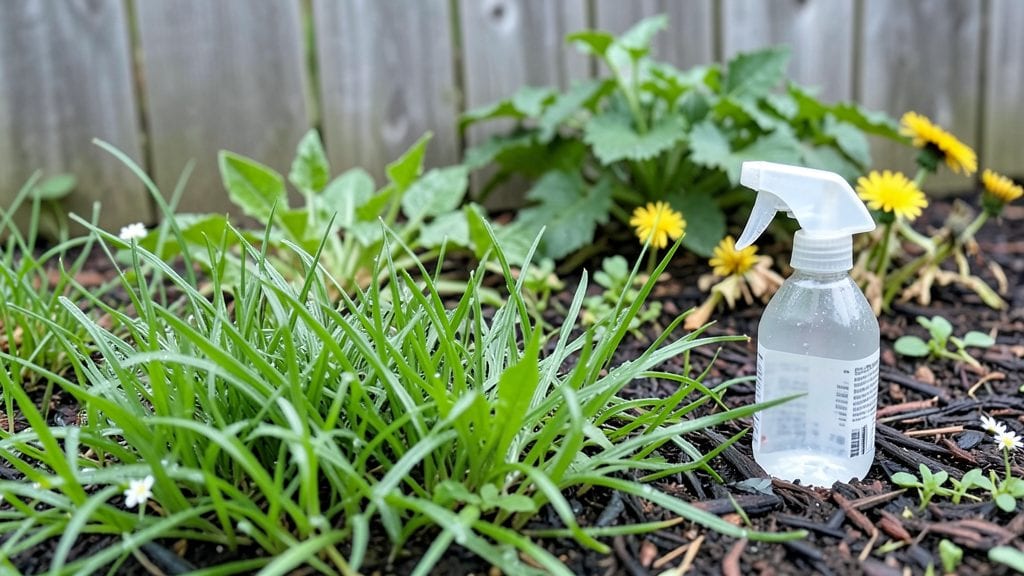
Spraying glyphosate on wet grass can dilute its concentration and increase runoff risks, potentially harming nearby plants or water sources. Always apply when the grass is completely dry and avoid rain for at least 24 hours to maximize effectiveness.
Glyphosate works best when it adheres directly to plant surfaces, and moisture disrupts this process. When applied to damp grass, the chemical spreads unevenly, reducing its ability to penetrate leaves and stems. 🌧️ This also increases the chance of drift—where the spray carries to unintended areas—due to lighter droplets.
For optimal results, choose a calm day with temperatures between 60-85°F and ensure the grass has been dry for at least 4-6 hours before application.
If you must treat wet grass, consider using a pre-emergent herbicide instead, which targets weeds before they sprout. Alternatively, mechanical removal like hand-pulling or spot-treating with vinegar (for small areas) can be safer alternatives when conditions aren’t ideal.
Always follow label instructions, as improper application can lead to resistance in weeds over time.
💡 In This Article
- How Moisture Affects Glyphosate Absorption and Efficacy
- Best Practices for Applying Glyphosate in Lawn Care
How moisture affects glyphosate absorption and efficacy
Here's what's actually happening when you spray glyphosate on damp grass: the herbicide's active ingredient, N-(phosphonomethyl)glycine, relies on direct contact with plant surfaces to work.
When applied to wet foliage, water creates a barrier that dilutes the concentration by up to 30-50%—think of it like adding water to concentrated juice.
This dilution forces you to use more product to achieve the same effect, while also increasing the risk of chemical runoff into soil or waterways. The science shows that glyphosate absorption rates drop by 40% when applied to surfaces with even light dew.
The problem goes deeper than just dilution. Moisture causes the spray droplets to bead up and roll off leaves rather than adhering, which is critical for glyphosate's systemic action—meaning it needs to enter the plant through leaves to travel to the roots.
Studies from the Weed Science Society of America demonstrate that under 80% humidity, glyphosate's translocation (movement within the plant) decreases by 25-35%.
Even worse, wet conditions create smaller, lighter droplets that are more likely to drift with wind, potentially harming non-target plants or beneficial insects within a 20-foot radius.
What most people don't realize is how dew plays a particularly destructive role. Early morning applications often fail because dew can contain 10-20% moisture by volume on grass blades, effectively turning your spray into a weak solution before it even makes contact.
The ideal scenario is when grass has been dry for at least 4-6 hours, allowing the cuticle (the plant's protective outer layer) to return to its natural state.
This cuticle acts like a waxy shield—when dry, it helps glyphosate adhere properly, while moisture makes it slippery, reducing adhesion by nearly 50% in some cases.
Temperature also interacts with moisture to create compounded problems. When applied to wet grass in 75°F+ temperatures, glyphosate can volatilize (turn into vapor) more quickly, reducing its effectiveness by 15-20%.
The combination of heat and moisture creates a "greenhouse effect" on treated plants, accelerating evaporation before the herbicide can be absorbed.
This is why professional applicators often recommend treating in the late afternoon when temperatures are cooler and dew has evaporated, giving the chemical a 6-8 hour window before nighttime humidity returns.
Consider these key factors when evaluating moisture conditions:
- Relative Humidity: Below 60% is ideal—above 75% significantly reduces efficacy
- Dew Point: Apply when dew point is at least 10°F below current temperature
- Wind Speed: Calm conditions (3-5 mph) prevent drift of diluted spray
- Soil Saturation: Waterlogged ground increases runoff risk by 60% compared to dry soil
The most critical takeaway is that moisture doesn't just reduce effectiveness—it transforms glyphosate from a targeted herbicide into an environmental hazard. When applied to wet surfaces, up to 40% of the active ingredient can be lost to runoff within the first 24 hours, potentially contaminating groundwater or nearby ecosystems.
This is why agricultural best practices emphasize the "3 R's": Right product, Right place, Right time—with dry conditions being absolutely essential for the "Right time."
For home gardeners, this means checking your forecast isn't just about avoiding rain—it's about understanding how morning dew, afternoon humidity, and evening moisture all play their parts.
The 24-hour dry period recommendation isn't arbitrary; it accounts for the time glyphosate needs to fully absorb and for any residual moisture to evaporate completely. Think of it like waiting for freshly washed dishes to dry before putting them away—rushing the process just leads to smudges and uneven results. 💫