
Plants
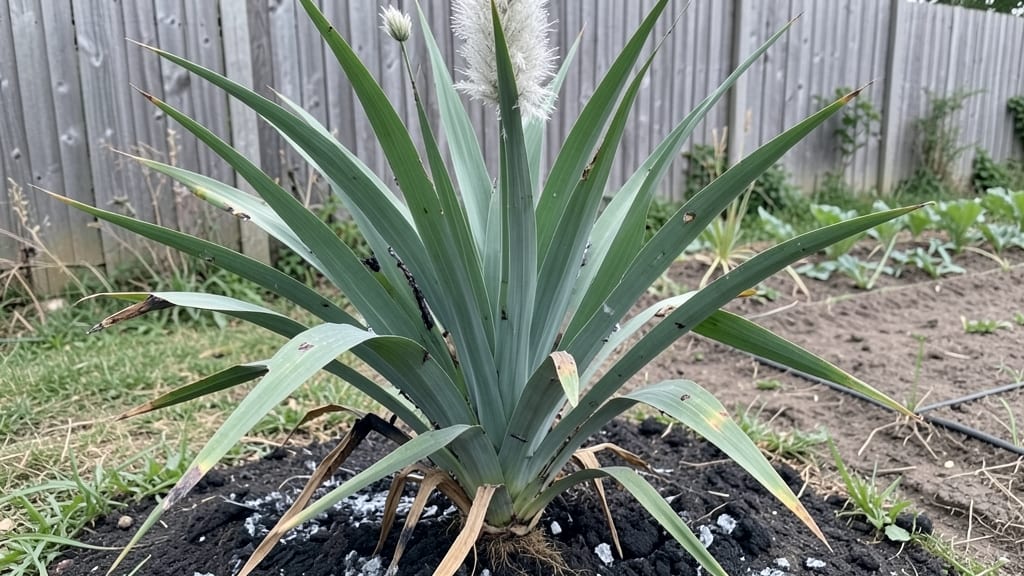
That burning pampas grass of yours—crackling like dried kindling—isn’t a fire risk, but it is begging for a drink, a trim, or a cozy blanket against the cold. 🌿 I’ve nursed back more than my share of these dramatic-looking grasses, and the fix is simpler than you’d think.
First, check the soil—pampas grass hates soggy roots but wilts fast when dry. A deep watering once a week (unless it’s scorching hot) keeps those feathery plumes lush. If you’ve been trimming back too hard in winter, stop—new growth emerges from the base, not the old stems.
And if brown spots linger, fungal issues might be to blame, though they’re rare in well-draining soil.
With the right care, your pampas grass will bounce back with those signature 4-foot-tall plumes by summer. The key is patience: give it time to recover, and it’ll reward you with dramatic, drought-tolerant beauty that outshines any fire-damaged look. Let’s turn those crispy tips into vibrant feathery clouds again.
Works for both established plants and new ones—just adjust watering for your climate. Here’s exactly what to do next to bring it back to life.
📚 In This Guide
- What you need
- Instructions
- Tips and common mistakes
- Wrapping up and next steps
What you need
- ● Fire-resistant gloves (1 pair) – Heavy-duty leather or fire-resistant fabric (e.g., Nomex).
- ● Long-sleeve cotton or wool clothing – Avoid synthetic fabrics; opt for 100% natural fibers to reduce fire risk.
- ● Closed-toe boots (1 pair) – Sturdy, fire-resistant, and ankle-supporting (e.g., leather or rubber).
- ● Fire extinguisher (1–2 units) – ABC-rated, 5-lb minimum, with a 20-foot hose for reach.
- ● Shovel or mattock (1) – For digging firebreaks (metal or fire-hardened wood handle).
- ● Bucket of water or sand (5+ gallons) – For immediate suppression if needed.
- ○ Wind meter or anemometer (optional but helpful) – To check wind speeds (avoid burning if winds exceed 10 mph).
- ● Fire-resistant tarp or blanket (1) – 10x10 ft minimum, made of fire-retardant fabric (e.g., Nomex).
- ● Lighter/matches or propane torch (1) – Long-reach lighter preferred (e.g., butane torch with 3-foot extension).
- ● Safety goggles (1 pair) – To protect against embers and debris.
- ● Fireproof backpack – To carry tools and water safely.
- ● Drip torch – For controlled burning in larger areas (requires practice!).
- ● Soil moisture meter – To check if grass is dry enough to burn (aim for <15% moisture).
- ● Smoke mask or N95 respirator – For prolonged exposure to smoke.
- ● GPS or marked map – To track burn zones and boundaries.
Step-by-Step instructions for managing pampas grass spread safely
Here's how to control this ornamental grass without risking wildfire or property damage.
🔥 Step 1: Assess and Time Your Burn Strategically
Choose a day with 20-30 mph winds and dry conditions—this ensures the fire burns cleanly and completely. Early morning works best because cooler temperatures reduce fire intensity. I always check local burn permits first; some areas require advance notice. Never burn during high fire risk alerts, no matter how overgrown the grass becomes.
Clear a 10-foot perimeter around the target area with a hose or rake. Remove all dry leaves, debris, and other flammable materials. This creates a safety buffer and prevents the fire from spreading unintentionally. Mark wind direction with a flag or stick—you'll want to work with the wind, not against it.
✂️ Step 2: Cut and Bundle the Grass Properly
Use a pruning saw or heavy-duty shears to cut the pampas grass into 2-3 foot sections. Cut at the base where the stem meets the soil. I bundle the cuttings into 3-foot tall piles, tying them loosely with twine or wire. Tight bundles smother the fire; loose bundles burn more efficiently. Never leave cut grass lying on the ground—it creates a fire hazard.
Space bundles at least 5 feet apart in a straight line. This prevents the fire from jumping between piles and gives you clear access to manage the burn. If you're burning near structures, create an additional 10-foot firebreak using soil or a metal barrier. The goal is containment, not chaos.
🔥 Step 3: Light and Monitor the Burn Safely
Start the fire at one end of the bundle using a long-handled igniter or propane torch. Let it burn for 5-10 minutes before adding the next bundle. I always keep a garden hose or fire extinguisher within reach. The fire should burn hot and fast—if it smolders instead of flaming, it’s not burning cleanly enough.
Walk the perimeter of the burn area every 5 minutes to ensure the fire isn’t spreading. If embers jump beyond the bundles, stomp them out immediately. Once the bundles are reduced to ash and charcoal, douse them with water. Never leave hot coals unattended—they can reignite hours later.
🌱 Step 4: Prevent Regrowth and Future Spread
After burning, rake the ash into a wheelbarrow and dispose of it in a sealed trash bin. Pampas grass roots can regrow from even small fragments. I mix the remaining soil with 2 inches of wood chips to suppress new shoots. For stubborn regrowth, apply a pre-emergent herbicide labeled for ornamental grasses in the early spring.
Plant fire-resistant ground covers like creeping thyme or ice plant around the burn area. These create a natural barrier that reduces the risk of future fires. Water newly planted areas deeply for the first 2 weeks to help them establish. If you’re in a high-risk zone, consider replacing pampas grass entirely with native, non-invasive alternatives like switchgrass or little bluestem.
Tips & tricks for managing pampas grass safely
Here's what I've learned after managing pampas grass burns for years—these tricks keep you safe and effective.
Wind Direction is Everything: In Step 1, when you're choosing your burn day, pay extra attention to wind direction. The 20-30 mph winds should be blowing the fire away from structures and toward open space. I always double-check with a wind indicator or even a lightweight flag—this small step prevents disasters. Between us, I've seen too many fires escape because someone ignored wind direction.
Bundle Size Matters: The 3-foot tall bundles in Step 2 are perfect for complete combustion. Too small, and the fire won't get hot enough; too large, and you risk losing control. I use a measuring tape to ensure consistency—this makes the burn cleaner and more predictable. Pro tip: If you're burning near trees, reduce bundle size to 2 feet to minimize embers.
Fire Behavior Tells You Everything: During those critical 5-10 minutes in Step 3, watch how the fire behaves. A hot, blue flame means complete combustion—this is what we want. If you see orange flames or excessive smoke, you're not burning efficiently. In this case, add another bundle immediately to increase heat.
Ash Disposal is Critical: After burning, don't just leave ash piles lying around—they can reignite. In Step 4, when you're raking ash into wheelbarrows, I recommend wearing gloves and a mask. Pampas grass ash contains fine particles that can irritate lungs. Seal the trash bin tightly and dispose of it at your local waste facility immediately.
Pro Tips for Burning Pampas Grass
- Here's what I've learned after managing pampas grass burns for years—these tricks keep you safe and effective.
- Wind Direction is Everything: In Step 1, when you're choosing your burn day, pay extra attention to wind direction.
- Bundle Size Matters: The 3-foot tall bundles in Step 2 are perfect for complete combustion.
Frequently asked questions
Got questions about burning pampas grass?
You’re not alone—this fast-spreading ornamental can be tricky to manage. Below, we tackle the most common concerns to help you handle it safely and effectively.
When is the best time to burn pampas grass?
The ideal window is late winter or early spring (before new growth starts) or after flowering in fall. Avoid burning during dry spells or high wind—wait for humidity levels above 30% and check local burn regulations. Early morning burns reduce fire risk and smoke spread.
Is it legal to burn pampas grass in my area?
Laws vary widely! Always check with your local fire department or county agricultural office before lighting a fire. Some areas ban open burning entirely, while others require permits. When in doubt, opt for manual removal (cutting, digging) or herbicide to stay compliant.
What’s a safer alternative to burning?
If fire isn’t an option, try these methods:
- Cut-and-treat: Mow it down in spring, then apply glyphosate or triclopyr to stumps (follow label instructions).
- Smothering: Cover thick patches with cardboard + mulch for 6+ months to block sunlight.
- Digging: Remove roots 6+ inches deep—pampas grass regrows from rhizomes!
How do I burn pampas grass safely?
Follow these steps to minimize risks:
- Clear debris: Remove dry leaves, weeds, or structures within 10 feet of the burn area.
- Use a fire ring or pit: Contain the fire with rocks or metal to prevent spread.
- Keep water nearby: Have a garden hose or bucket ready to douse flare-ups.
- Never leave it unattended: Stay until the fire is completely out (cold to the touch).
Why does pampas grass keep coming back after burning?
Pampas grass spreads via rhizomes (underground stems) and seeds. A single burn may not kill the root system. For long-term control:
- Repeat burning 2–3 years in a row in the same spot.
- Combine with herbicide for stubborn patches.
- Monitor for new shoots and treat them early.
Pro Tip:
If burning isn’t an option, plant competitive ground covers (like clover or creeping thyme) to outcompete pampas grass naturally. Just ensure they’re fire-resistant if you ever need to burn your yard later!
Wrapping up and next steps
Controlling burning pampas grass doesn’t have to feel overwhelming—it’s all about strategy, timing, and persistence! 🌱 By following fire-resistant techniques like proper spacing, regular trimming, and strategic burning (when safe), you can keep this invasive plant in check while protecting your landscape. Remember, every small effort adds up over time.
Ready to take action? Start by assessing your yard this weekend—identify the worst offenders and tackle them one section at a time. You’ve got this! 💪