
Plants
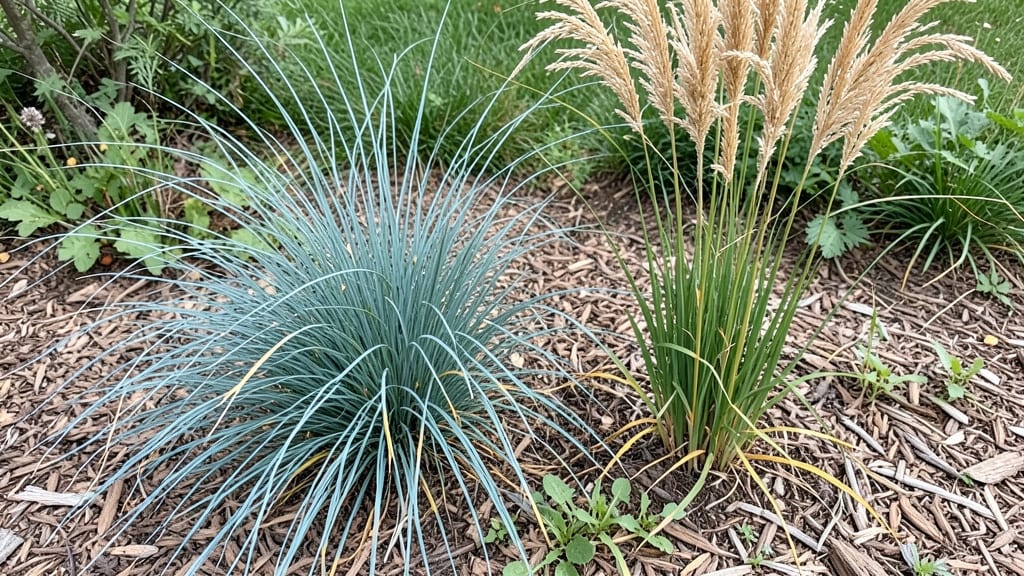
Braiding ornamental grass 🌿 is the fastest way to turn a simple garden plant into a striking, textured centerpiece that looks like it took hours to create.
Picture this: a 15-minute project that transforms floppy blades into elegant, twisted braids—perfect for adding movement and drama to your landscape without breaking the bank. No green thumb required.
This technique works with Pennisetum varieties like 'Burgundy Bunny' or Stipa species, giving you bold colors and heights that play well with everything from wildflower borders to modern container gardens.
Below, I’ll walk you through the exact steps to achieve salon-worthy braids, plus creative ways to style them so your garden feels like a curated gallery—no design degree needed.
Step-by-Step guide to braiding ornamental grass in 15 minutes
Braiding ornamental grass is one of the easiest ways to add textural interest and elegant structure to your garden. Whether you're using Pennisetum 'Burgundy Bunny' or Miscanthus sinensis, the process transforms ordinary grasses into striking decorative pieces that last for years.
The best part? You don’t need fancy tools or years of experience—just a little patience and the right technique.
Timing is everything when braiding ornamental grass. Aim for spring or early fall when the grass is actively growing but hasn’t hardened off for winter. This ensures the stems are flexible yet strong, making them perfect for braiding.
Avoid braiding in peak summer heat or deep winter, as the grass will be too brittle or too stiff to hold a braid.
Select grasses with long, pliable stems like Pennisetum, Miscanthus, or Fountain Grass. Avoid grasses with thick, woody stems or very fine blades, as they won’t hold a braid well.
You’ll need:
- Sharp pruning shears (to trim stems to 18-24 inches)
- Rubber bands or twine (to secure the braid)
- Gloves (optional, for prickly grasses)
Cut the grass just above a leaf node to encourage new growth. Trim to your desired height—typically 18-36 inches—for a balanced look. Remove any dead or damaged stems to keep the braid neat.
Gather 3-5 stems and tie them loosely at the top with twine or a rubber band. Space the stems evenly to create a full, rounded base for your braid. The more stems you use, the thicker and fuller your braid will be.
Hold the bundle vertically and cross the right stem over the middle stem, then cross the left stem over the new middle stem. Repeat this over-under motion until you reach the bottom. Keep the tension even to avoid loose or uneven braids.
Once you’ve braided to the base, tie off the stems with twine or a rubber band. Trim any uneven ends for a clean finish. For extra durability, spray the braid lightly with water to help the stems hold their shape.
You can either plant the braided grass directly in the ground or display it in a container. If planting, bury the base 1-2 inches deep to anchor it. For containers, use a large pot with drainage holes and secure the braid with landscape fabric if needed.
To keep your braid looking fresh:
- Water deeply once a week during dry spells
- Trim new growth to maintain shape
- Fertilize lightly in spring with a balanced fertilizer
One of the most common mistakes beginners make is using stems that are too mature or too young. If the stems are too woody, they’ll snap when braided.
If they’re too soft, the braid will fall apart. Always test the flexibility of the stems by bending them gently before you start braiding.
Another tip: Work in small batches. Braiding a large clump all at once can be overwhelming and may lead to uneven tension. Instead, braid 3-5 stems at a time and secure them before moving on to the next batch. This ensures consistency and makes the process feel more manageable.
Once your braided grass is complete, it’s ready to become a garden focal point. Place it near entryways, patios, or garden beds to draw the eye. You can also combine multiple braids of different grasses for a multi-textured display.
With proper care, your braided grass will stay beautiful for years, adding year-round structure to your landscape.
Pro tip: If you’re braiding grass for a winter display, choose varieties that retain their color and texture in colder months, like Purple Fountain Grass or Karl Foerster Grass. These stay frost-resistant and keep their shape even when temperatures drop.
Best ornamental grasses for braiding: top 5 varieties and their care needs
Not all ornamental grasses hold up well to braiding, but these top 5 varieties are perfect for creating stunning, long-lasting twists. Their flexible stems and durable foliage make them ideal for both beginners and experienced gardeners.
Whether you're crafting a 3-strand braid or a complex plaited design, these grasses will stay put and look fresh for months.
Key factors to consider when choosing your grass include stem flexibility, growth rate, and color retention. Some varieties, like Pennisetum, have softer plumes that braid beautifully, while others like Miscanthus offer architectural rigidity for bold statements.
Below, I’ve compared their ease of braiding, sunlight needs, and maintenance requirements to help you pick the perfect fit for your garden.
Pro Tip: Always braid grasses when they’re fully mature but still flexible—typically in late summer—to ensure the best results. Avoid braiding during extreme heat or high humidity, as stems can become brittle or overly pliable.
| Variety | Ease of Braiding (1-5) | Sunlight Needs | Mature Height | Maintenance |
|---|---|---|---|---|
| Pennisetum 'Burgundy Bunny' | 5/5 | Full sun (6+ hrs) | 2-3 ft | Low (trim once/year) |
| Miscanthus 'Malepartitus' | 4/5 | Full sun to partial shade | 4-6 ft | Moderate (cut back in spring) |
| Fountain Grass (Pennisetum alopecuroides) | 5/5 | Full sun to partial shade | 2-4 ft | Low (remove old growth) |
| Stipa tenuissima ('Mexican Feather Grass') | 3/5 | Full sun (drought-tolerant) | 1-2 ft | Very low (self-cleaning) |
| Carex oshimensis 'Evergold' | 4/5 | Partial shade to full sun | 1-1.5 ft | Low (trim as needed) |
✅ Ease of Braiding: 5 = Easiest, 1 = Most Challenging
For long-lasting braids, I recommend Pennisetum 'Burgundy Bunny' or Fountain Grass—both hold their shape beautifully and retain color even in winter conditions. If you’re working with limited sunlight, Carex oshimensis is a shade-tolerant option that still braids well.
Just avoid Stipa tenuissima if you want thick, dense braids, as its fine stems can be tricky to twist.
To keep your braided grasses looking fresh, water deeply once a week during the first 30 days after braiding, then reduce to bi-weekly watering