
Plants
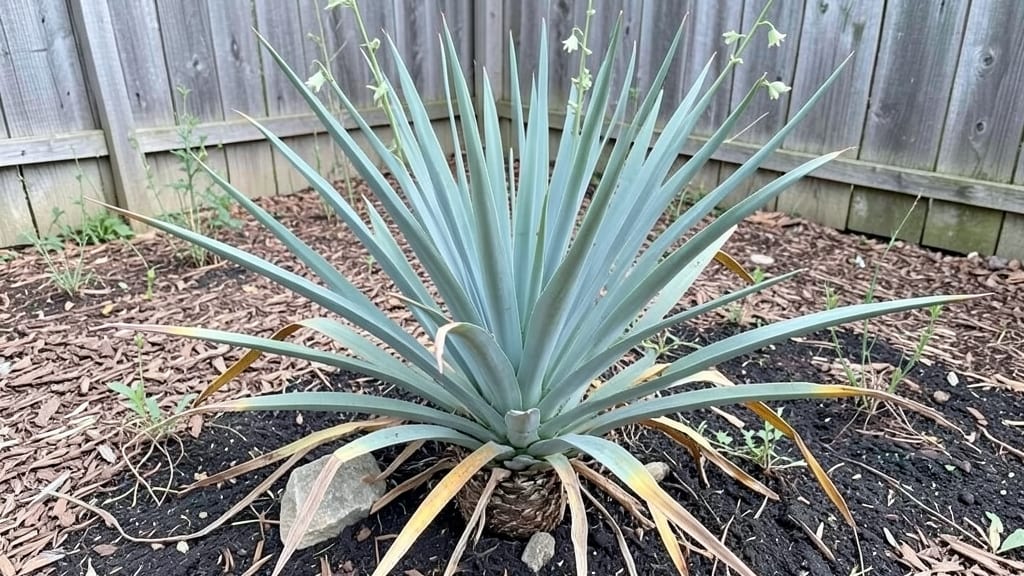
Bear grass in Arizona isn’t just a plant—it’s a game-changer for desert landscaping 🌿, turning water-guzzling yards into stunning, low-maintenance oases.
Arizona’s scorching heat and dry climate make traditional landscaping a challenge, but bear grass thrives here. This drought-resistant perennial not only survives but flourishes, adding texture and elegance to arid landscapes without the fuss.
You’ll discover why this hardy grass is perfect for Arizona’s 9b climate, from its minimal water needs to its ability to handle extreme heat. Whether you’re a seasoned gardener or just starting, bear grass offers beauty with almost no effort.
In this guide, I’ll walk you through planting, caring for, and maximizing the potential of bear grass in your Arizona garden—so you can enjoy a lush, thriving landscape without the high water bill.
Why bear grass thrives in Arizona’s harsh desert climate
Arizona’s 110°F+ temperatures and low humidity would kill most plants, but bear grass (Nolina spp.) thrives here thanks to its ancient desert adaptations.
Native to the Sonoran and Mojave deserts, this succulent-like perennial has evolved to store water in its thick, fibrous roots and leaves, making it one of the most drought-resistant grasses in the Southwest. Unlike turfgrass, which needs constant watering, bear grass goes months without rain while still looking lush.
Its success in Arizona’s climate isn’t just luck—it’s science. Bear grass has a waxy leaf coating that reduces water loss, and its deep root system (reaching 5+ feet) taps into groundwater.
Even in USDA Zone 9b, where summers are brutal, bear grass maintains its arching, silvery-blue foliage without wilting. This makes it a low-maintenance hero for Arizona landscapes.
Bear grass also handles Arizona’s variable microclimates effortlessly. In Phoenix’s urban heat islands, it tolerates concrete and pavement heat, while in higher-elevation Flagstaff, it adapts to cooler nights. Its adaptability to rocky, sandy, or clay soils means it won’t fuss over soil prep—just plant and forget.
Even native wildlife like quail and rabbits leave it alone, unlike water-hungry lawns that attract pests.
Here’s how bear grass outshines other desert-friendly grasses like buffalo grass or bermuda. While those need regular mowing and watering, bear grass grows slowly and naturally, forming clumping rosettes that add textural contrast to gardens.
Its arching habit also provides shade for smaller plants below, creating a mini desert ecosystem with minimal effort.
🌱
The succulent-like leaves of bear grass store water like a natural reservoir, while its thick cuticle prevents evaporation. This means even during Arizona’s monsoon season, when sudden downpours can drown weaker plants, bear grass absorbs excess moisture without rotting.
Its deep roots also prevent erosion, making it ideal for sloped desert gardens where other plants fail.
One of bear grass’s biggest advantages is its year-round interest. While many desert plants go dormant in winter, bear grass stays green and structural, providing winter texture when other gardens look bare.
In spring, its arching fronds create dramatic silhouettes against Arizona’s clear blue skies, and in summer, it reflects sunlight to keep nearby areas cooler.
For urban gardeners in Phoenix or Tucson, bear grass is a game-changer because it reduces water bills by 80% compared to turf. The Arizona Cooperative Extension even recommends it for xeriscaping projects due to its low water use and high survival rate.
Unlike invasive grasses like buffelgrass, bear grass stays contained and supports local pollinators with its seasonal flower spikes.
If you’ve struggled with dead lawns or thirsty shrubs in Arizona, bear grass offers a no-fuss alternative that looks intentional, not neglected.
Its silvery-blue hue adds cool contrast to hot desert palettes, and its low height (2-3 ft) fits perfectly in rock gardens, pathways, or as a focal point. With zero fertilizing and
Top 5 bear grass varieties perfect for Arizona landscaping
Arizona’s desert landscapes demand plants that not only survive but thrive with minimal care. Bear grass varieties are perfect for this climate, offering architectural beauty and drought resistance without compromising aesthetics.
Whether you're designing a modern xeriscape or a traditional Southwestern garden, these five varieties will elevate your outdoor space with textural contrast and year-round interest. 🌵
Each variety brings unique characteristics to your landscape, from compact rosettes to towering spike-like blooms.
Below, I’ve compared the top five bear grass varieties that perform exceptionally well in Arizona’s USDA Zone 9b, focusing on their growth habits, mature size, and sunlight requirements to help you make an informed choice. 🌿
For compact gardens or container plantings, Nolina parryi and Agave parryi are ideal choices. Their smaller stature and slow growth rate make them perfect for patios or as accent plants.
Meanwhile, Dasylirion wheeleri and Yucca schidigera add dramatic vertical interest to larger landscapes, creating focal points that stand out against Arizona’s arid backdrop. 🌳
When selecting a variety, consider your garden’s layout and color palette. Nolina microcarpa offers a soft, textured look with its gray-green foliage, while Yucca schidigera provides a bold, architectural contrast with its spiky blooms.
If you’re aiming for a modern, minimalist design, Agave parryi delivers a sleek, contemporary vibe with its geometric rosettes. 🎨
All these varieties require minimal maintenance, making them perfect for busy gardeners. Once established, they thrive on neglect, requiring only occasional deep watering and pruning dead fronds.
Their native resilience ensures they’ll outperform many non-native plants in Arizona’s harsh conditions. Start with one variety to test your soil and microclimate, then expand your