
Lawn
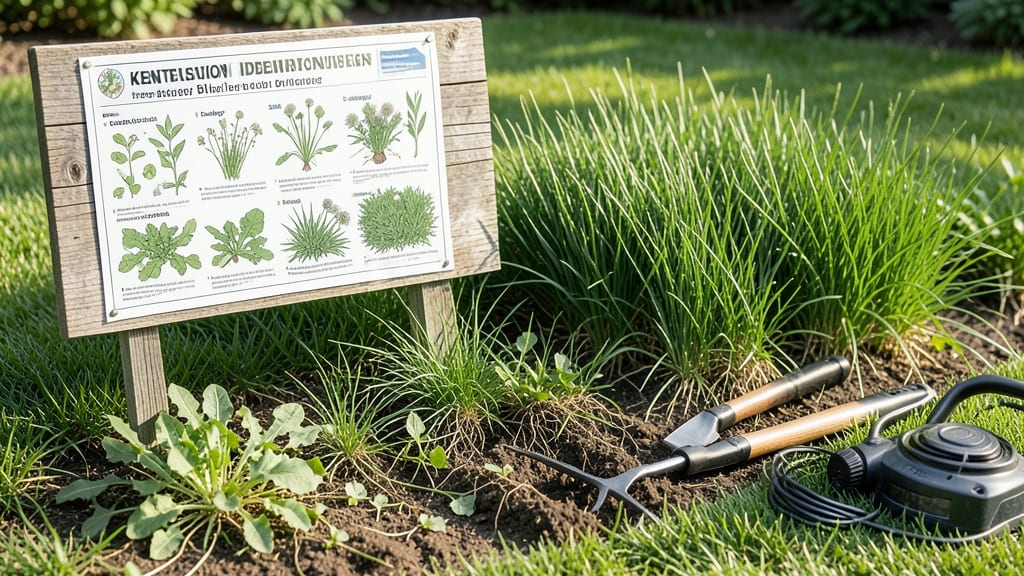
Bad grasses in lawns ruin that perfect green carpet look—unless you know how to spot and stop them. 🌱 I’ve spent years battling crabgrass, nutsedge, and dollarweed, and I’ve learned the real secrets to reclaiming your yard without harsh chemicals. The first step? Identifying the culprit before it spreads.
Most "bad grasses" thrive because of thin lawns, poor soil, or too much shade. My first lawn had more weeds than grass—until I fixed the root causes: compacted soil, overwatering, and skipping mowing at the right height.
Once I adjusted those, the weeds stopped gaining ground. Even organic methods can work if you’re consistent.
You’ll learn to pull weeds by hand (yes, it’s faster than you think), use vinegar or boiling water for spot treatment, and apply pre-emergent in early spring to block new growth. The key is timing—attack weeds when they’re young, and your lawn will bounce back stronger than ever.
This works for any lawn, whether you’re dealing with dollarweed in shady spots or crabgrass taking over sunny patches. The goal isn’t perfection—it’s a yard you can actually enjoy without constant frustration. Let’s get started.
Root Causes of Unwanted Grasses
Your lawn might be overrun with bad grasses—those tough, invasive, or unsightly invaders—without you even realizing it. These unwanted plants don’t just appear out of nowhere; they thrive because of specific conditions in your yard.
Understanding why they take over is the first step to reclaiming a lush, healthy lawn. Let’s break down the science behind their persistence.
Grasses like crabgrass, nutsedge, or even aggressive cool-season weeds often dominate when your soil lacks the right balance of nutrients. Here’s why:
- Compacted or poor soil: Heavy foot traffic, construction equipment, or clay-heavy soils reduce aeration, making it harder for desirable grasses to establish deep roots. Without competition, weeds fill the gaps.
- Low organic matter: Soil rich in organic material (like compost) supports beneficial microbes and fungi that help grasses thrive. When organic matter is scarce, weeds with shallow roots (like dandelions or chickweed) exploit the available nutrients first.
- pH imbalances: Most lawn grasses prefer a pH between 6.0 and 7.0. If your soil is too acidic (<6.0) or alkaline (>7.5), it stresses out your desired grass, leaving room for weeds like moss or clover to move in.
Actionable fix: Test your soil (DIY kits are affordable) and amend it with compost, gypsum (for clay), or lime/sulfur to adjust pH. Aeration in fall or spring can also loosen compacted soil.
Watering your lawn haphazardly—either too much or too little—creates the perfect conditions for weeds to flourish. Here’s how:
- Shallow watering: When you water lightly (e.g., daily for 10 minutes), you encourage shallow-rooted weeds like crabgrass and nutsedge. These weeds germinate in the top inch of soil, where moisture is abundant.
- Overwatering: Soggy soil suffocates desirable grasses and attracts weeds that love damp conditions, such as sedges or moss. Overwatering also washes away nutrients, further weakening your lawn.
- Irregular schedules: Skipping watering days or using sprinklers that create dry spots leaves patches where weeds germinate. Even a single missed watering can trigger weed seeds lying dormant in the soil.
Actionable fix: Water deeply 1–2 times per week (1–1.5 inches per session) and adjust for your grass type. Early morning watering reduces evaporation and fungal risks. Consider installing a soil moisture sensor for precision.
Many "bad grasses" are actually weed seeds that have been waiting decades for the right conditions to sprout. Here’s the science:
- Seed banks: Weeds like crabgrass and chickweed can remain viable in the soil for 5–10 years or more. Disturbances (tilling, construction, or even aeration) can trigger their germination.
- Light exposure: Some weed seeds (e.g., goosegrass) need light to germinate. Thinning grass canyons or bare soil patches let these seeds sense the perfect time to sprout.
- Heat and moisture: Seeds like crabgrass germinate when soil temperatures rise above 55°F (13°C). A warm, wet spring is their green light to invade.
Actionable fix: Prevent germination with a pre-emergent herbicide in early spring (before weeds appear). For organic control, apply a thick layer of mulch or use corn gluten meal, a natural pre-emergent.
Every bare patch or damaged area in your lawn is an open invitation for weeds. Here’s how damage leads to takeovers:
- Thin grass: When your lawn has gaps (from disease, drought, or poor seeding), weeds like clover or henbit rush in to fill the space. They outcompete grass for sunlight and nutrients.
- Foot traffic and pets: Compacted or trampled areas create stress points where weeds thrive. Pet urine, for example, can burn grass, leaving behind dead zones.
- Improper mowing: Cutting grass too short weakens roots, while mowing at uneven heights stresses the lawn, creating opportunities for weeds.
Actionable fix: Overseed thin areas in fall with a dense, shade-tolerant grass mix (if needed). Adjust mower height to 3–4 inches for most grasses to promote deep roots. Use stepping stones or mulch on high-traffic paths.
Neglect is a weed’s best friend. When basic lawn care is ignored, unwanted grasses exploit the chaos:
- No fertilization: Grasses need nitrogen, phosphorus, and potassium to outcompete weeds. Without these, weeds like dandelions (which store nutrients in their roots) dominate.
- Infrequent mowing: Tall grass shades the soil, cooling it and suppressing weed seeds. But if you let grass grow too long, weeds like bindweed or quackgrass take over.
- Ignoring thatch buildup: A thatch layer thicker than ½ inch blocks water and nutrients from reaching the soil, creating a hostile environment for grass but a paradise for weeds.
Actionable fix: Follow a seasonal lawn care schedule: fertilize in early spring and fall, mow regularly (never removing more than ⅓ of the blade at once), and dethatch if needed. A sharp mower blade also reduces stress.
Quick Fixes for Unwanted Grass
Now that you’ve identified the troublemakers in your lawn—whether it’s crabgrass, nutsedge, or other invasive grasses—it’s time to tackle them head-on. The good news? You don’t need harsh chemicals to reclaim your yard.
Below are practical, step-by-step solutions tailored to the most common causes of bad grasses, plus tips to keep them from staging a comeback.
A weak lawn is an open invitation for weeds and bad grasses. The fix? Strengthen your grass first before attacking the invaders.
🌱 Step 1: Improve Soil Health
Bad grasses thrive in compacted or nutrient-poor soil. Test your soil (kits are cheap and available at garden centers) to check pH and fertility.
Amend it with: - Compost (for organic matter) - Topsoil (if soil is too clay-heavy) - Lime or sulfur (to adjust pH—aim for 6.0–7.0 for most grasses)
👨🍳 Step 2: Overseed Strategically
Fill in bare spots with disease-resistant, fast-growing grass seed suited to your climate.
For best results: - Best time to overseed: Early fall or spring (when temps are mild). - Choose the right seed: Cool-season grasses (like Kentucky bluegrass or fescue) for northern climates; warm-season (like Bermuda or Zoysia) for southern regions. - Spread evenly: Use a broadcast spreader for large areas.
🌡️ Step 3: Water Deeply (But Not Too Often)
Shallow watering encourages weeds. Instead:
- Water deeply 1–2 times per week (1–1.5 inches total).
- Water early morning to reduce evaporation and fungal risks.
If your lawn is starving, weeds move in. A simple fertilizer plan can turn the tide.
📊 Step 1: Pick the Right Fertilizer
- Slow-release organic fertilizers (like compost tea or fish emulsion) build soil health over time.
- Balanced NPK (e.g., 10-10-10) for general lawns.
- High-nitrogen (e.g., 24-0-4) for quick green-up (but don’t overdo it—it can burn grass).
⏰ Step 2: Follow a Smart Schedule
- Spring: Light feeding after mowing.
- Summer: Light applications (avoid heavy feeding in extreme heat).
- Fall: Focus on potassium (last number in NPK) to strengthen roots for winter.
If bad grasses have already moved in, manual and natural methods work best before resorting to chemicals.
🌿 Pulling & smothering (for small infestations)
- Hand-pull weeds (best after rain when soil is soft).
- Use a weeding tool (like a dandelion digger) for deep roots.
- Smother with cardboard/mulch in problem areas—block sunlight to starve weeds.
💡 Natural herbicides (for stubborn patches)
- Vinegar spray (1 gallon white vinegar + 1 oz dish soap + 1 cup salt) kills weeds on contact (but also harms good grass—use carefully!).
- Corn gluten meal (pre-emergent for crabgrass—apply in early spring).
- Boiling water (pour directly on weeds for instant kill).
✨ Solarization (for large problem areas)
- Cover the area with clear plastic for 4–6 weeks in hot sun.
- Traps heat to kill weeds and seeds without chemicals.
Once you’ve cleared the invaders, lock them out with these habits:
- Mow high (3–4 inches) to shade out weeds and strengthen grass.
- Leave grass clippings (they return nutrients to the soil).
- Aerate annually (especially in high-traffic areas) to reduce compaction.
- Monitor soil moisture—drought stress weakens grass, inviting weeds.
Pro Tip: 🌱 Diversity is your friend! Mix grass types (e.g., fescue + clover) for a tougher, weed-resistant lawn.
By addressing the root causes—poor soil, thin grass, or nutrient gaps—you’ll create an environment where bad grasses can’t survive. Start small, stay consistent, and watch your lawn transform! 🚀
Frequently asked questions about unwanted grasses in lawns
What’s the difference between weeds and bad grasses?
Most "bad grasses" are actually weeds—plants that grow where they’re not wanted. The key difference is that grasses (like crabgrass or nutsedge) have long, narrow leaves with parallel veins, while broadleaf weeds (like dandelions) have wider leaves with branching veins. Both compete with your lawn, but grasses often spread faster because they reproduce through seeds and underground runners.
Can I just mow over weeds and bad grasses?
No—mowing alone won’t eliminate them. Cutting weeds like clover or dandelions actually helps them spread by scattering seeds. For grasses, mow high (3–4 inches) to shade out weeds, but pull or treat stubborn patches first. Regular mowing prevents seed heads from forming but won’t kill established weeds.
How long does it take to get rid of bad grasses for good?
That depends on the method! Hand-pulling or smothering may take 2–4 weeks for small patches, while chemical treatments (like pre-emergent) can suppress new growth for 3–6 months. For deep-rooted weeds (like bindweed), it can take 1–2 years of consistent care. The key is preventing regrowth by fixing soil and grass health first.
Are organic methods really effective against tough weeds?
Yes, but they require patience and consistency. Vinegar or boiling water works for spot treatments, while corn gluten meal (applied in early spring) blocks crabgrass seeds. For stubborn weeds like nutsedge, combine smothering (cardboard + mulch) with regular soil aeration. Organic methods won’t kill everything instantly, but they improve soil over time, making your lawn more resilient.
Will my lawn ever be weed-free?
No lawn is 100% weed-free—even healthy ones have a few stragglers. The goal is to create conditions where desirable grass outcompetes weeds. Focus on thick, dense turf (through proper mowing, watering, and fertilizing) to crowd out invaders naturally. With consistent care, you’ll see 90%+ coverage of your chosen grass within 1–2 seasons.