
Fertilization
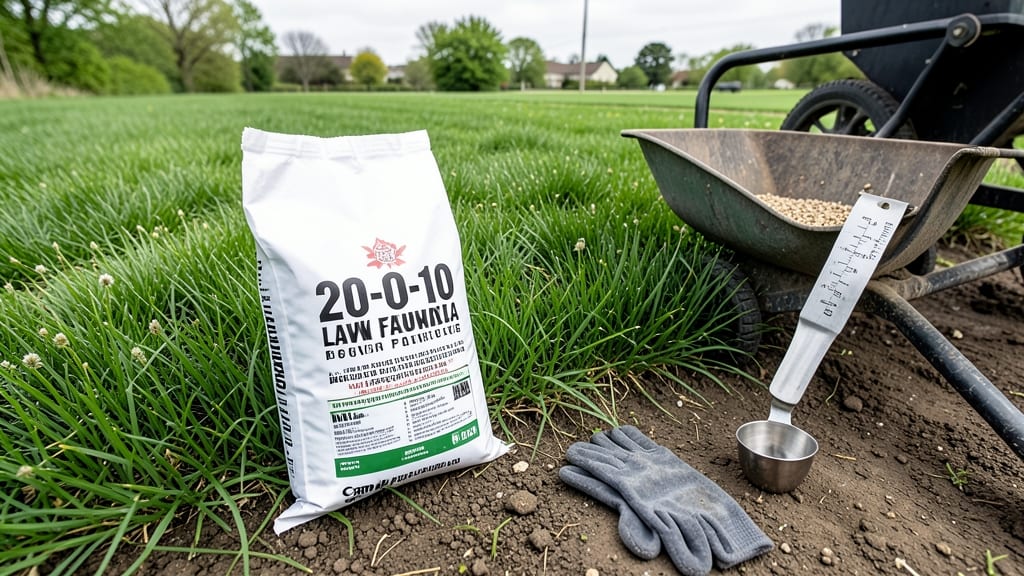
A 20-0-10 lawn fertilizer provides a nitrogen-heavy blend that boosts leafy growth and vibrant green color, while its low phosphorus content prevents weed growth and phosphorus runoff. Apply it during warm-season growing periods—spring and fall—for optimal results on grasses like Bermuda or Zoysia.
A 20-0-10 ratio means 20% nitrogen, 0% phosphorus, and 10% potassium by weight, making it ideal for established lawns that need a leafy green boost without extra phosphorus. 🌱 The high nitrogen content fuels rapid growth, while the potassium supports root strength and disease resistance.
This blend is particularly effective for warm-season grasses that thrive in hot climates, as it avoids the phosphorus buildup that can harm these types of turf.
Unlike balanced fertilizers (like 16-4-8), this ratio skips phosphorus entirely, which is unnecessary for mature lawns but can contribute to water pollution when overused. For best results, apply 0.5 to 1 pound per 1,000 square feet every 6-8 weeks during active growth periods, always watering afterward to prevent chemical burn.
💡 In This Article
- Understanding the 20-0-10 NPK Ratio for Turfgrass
- When and How to Apply 20-0-10 Fertilizer for Maximum Lawn Health
Understanding the 20-0-10 NPK ratio for turfgrass
The 20-0-10 NPK ratio is specifically designed to deliver a powerful nitrogen punch—20% nitrogen—while eliminating phosphorus entirely. Nitrogen is the primary nutrient responsible for leaf growth and that lush green color we all crave in our lawns.
When applied, nitrogen stimulates chlorophyll production, which is why you'll see vibrant green-up within 7-14 days of proper application. The 10% potassium acts as a supporting player, strengthening cell walls and improving drought resistance, though it's present at much lower levels compared to nitrogen.
What makes this ratio unique is the complete absence of phosphorus (0%). Phosphorus is often included in starter fertilizers to help establish new roots, but for established lawns—especially warm-season grasses like Bermuda or Zoysia—it's unnecessary and potentially harmful.
Excess phosphorus can leach into groundwater, contributing to harmful algal blooms in lakes and rivers. 🌱 Additionally, phosphorus buildup can actually inhibit root growth in some grass types, making this ratio ideal for mature lawns that don't need the extra phosphorus push.
Comparing 20-0-10 to other common ratios like 16-4-8 or 10-10-10 reveals a clear focus on leafy growth over balanced nutrition. A 16-4-8 blend, for example, includes phosphorus to support root development and flowering, which is great for new lawns or repair work.
But for an established lawn that's already thriving, the high nitrogen in 20-0-10 delivers that instant green-up without the risk of overfeeding other nutrients. This is why many professional turf managers prefer it for routine maintenance during peak growing seasons.
For cool-season grasses like Kentucky bluegrass or fescue, a different approach is needed—these grasses benefit more from balanced ratios with phosphorus to support their slower growth cycles. But warm-season grasses, which grow aggressively during summer months, respond beautifully to the nitrogen-heavy 20-0-10 blend.
The key is timing: applying it when the grass is actively growing ensures the nitrogen is used efficiently rather than wasted. 💫
Here's what happens when you apply 20-0-10: The nitrogen stimulates rapid cell division in the leaf blades, while the potassium helps maintain membrane integrity during this growth spurt.
You'll notice thicker blades and a denser turf structure within a few weeks, provided you're watering properly (about 1 inch per week to activate the fertilizer without causing runoff). The lack of phosphorus means no risk of over-fertilizing other nutrients, which can lead to thatch buildup or nutrient imbalances.
One common misconception is that more nitrogen always means better results. But too much can lead to nitrogen burn—visible as brown, crispy patches on your lawn. That's why following the recommended application rate (0.5-1 pound per 1,000 sq ft) is crucial.
The 20-0-10 ratio strikes a balance between aggressive growth promotion and responsible nutrient delivery, making it a favorite among lawn care professionals for maintaining that perfect green carpet during the growing season.