
Lawn
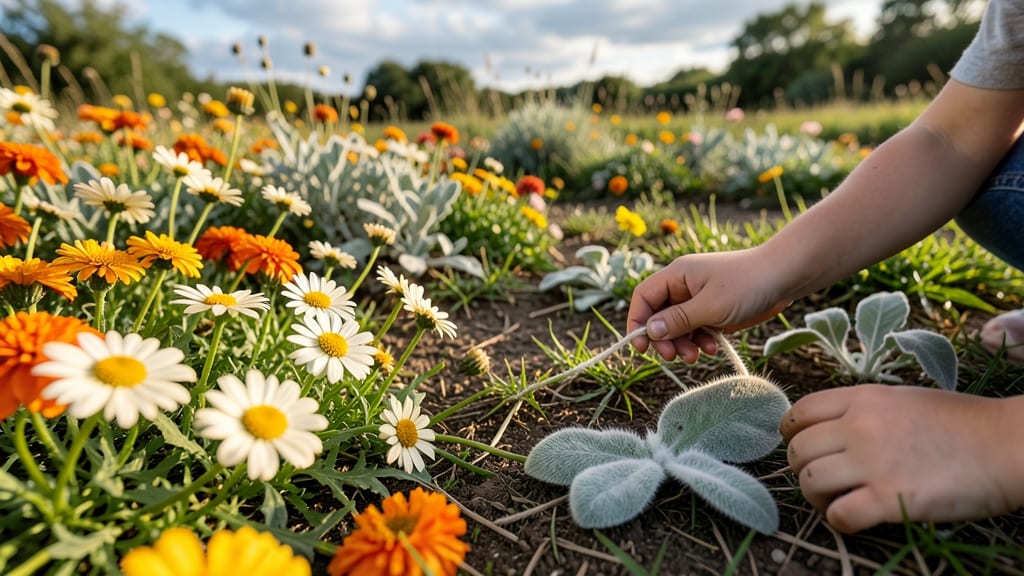
Tired of mowing the same dull grass every week? Wildflower lawns transform your yard into a vibrant, pollinator-friendly ecosystem with minimal effort. These 10 ideas prove beauty and sustainability go hand-in-hand—no green thumb required.
Drought-Resistant Sunflower Meadow Mix
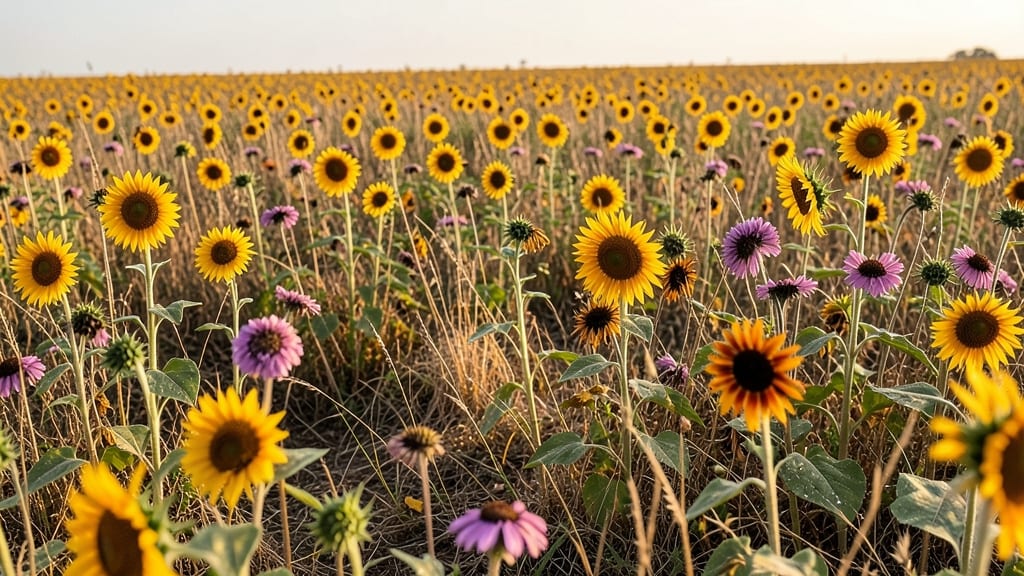
If you live in a dry climate and dread watering bills, this drought-resistant sunflower meadow mix is your solution. Packed with native sunflowers, coneflowers, and black-eyed Susans, it thrives on rainfall alone after the first year—no sprinklers needed. The mix also doubles as a bird magnet, with seed heads providing food for finches, sparrows, and goldfinches all winter long.
Plant this blend in full sun (at least 6 hours daily) on well-draining soil, then let nature take over. Water lightly for the first 4-6 weeks to help seeds germinate, but after that, forget about irrigation. The deep roots of sunflowers and purple coneflowers tap into moisture deep underground, while self-seeding annuals ensure continuous blooms. For best results, mow once a year in late fall to keep the meadow tidy.
This is the ultimate low-maintenance option for water-conscious gardeners, urban homesteaders, or anyone tired of fighting thirsty grass. Once established, your meadow will reward you with months of golden blooms and zero upkeep. 🌻
Shade-Tolerant Woodland Wildflower Blend
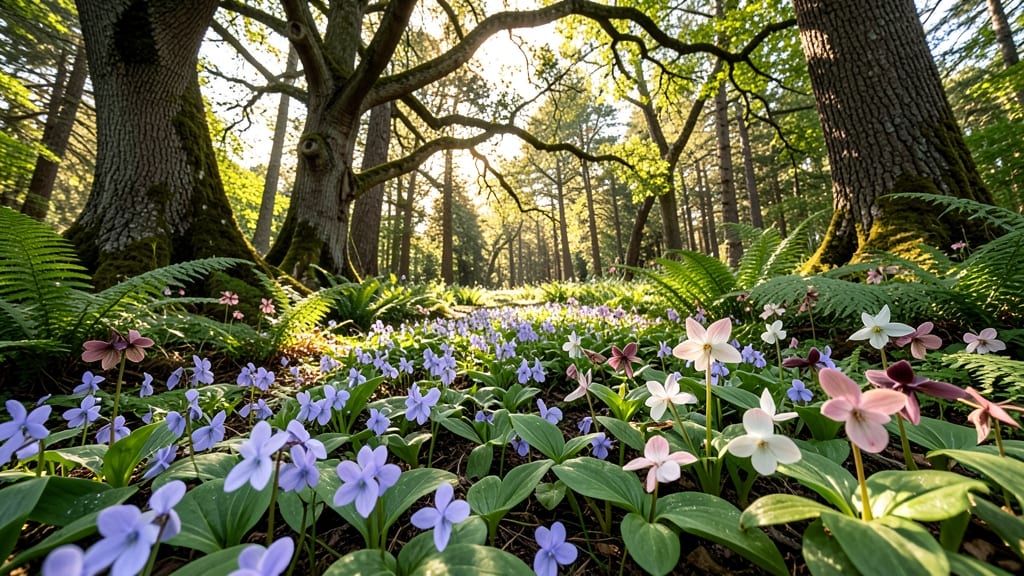
Turn your shady yard into a lush, low-maintenance paradise with a shade-tolerant woodland wildflower blend. This carefully curated mix thrives where grass struggles—under mature trees or in north-facing yards—using violets, trillium, and ferns to create a carpet of color and texture.
Plant this blend in early spring or fall when soil temperatures are mild. The low-growing perennials like wild ginger and foamflower will spread naturally, filling gaps and suppressing weeds. Water lightly for the first month, then let nature take over—these plants flourish with minimal care once established.
Perfect for urban gardeners with limited sunlight or those seeking a natural understory that supports local wildlife. This blend transforms forgotten spaces into serene, ever-changing landscapes. 🌿
Pollinator Paradise Native Wildflower Lawn
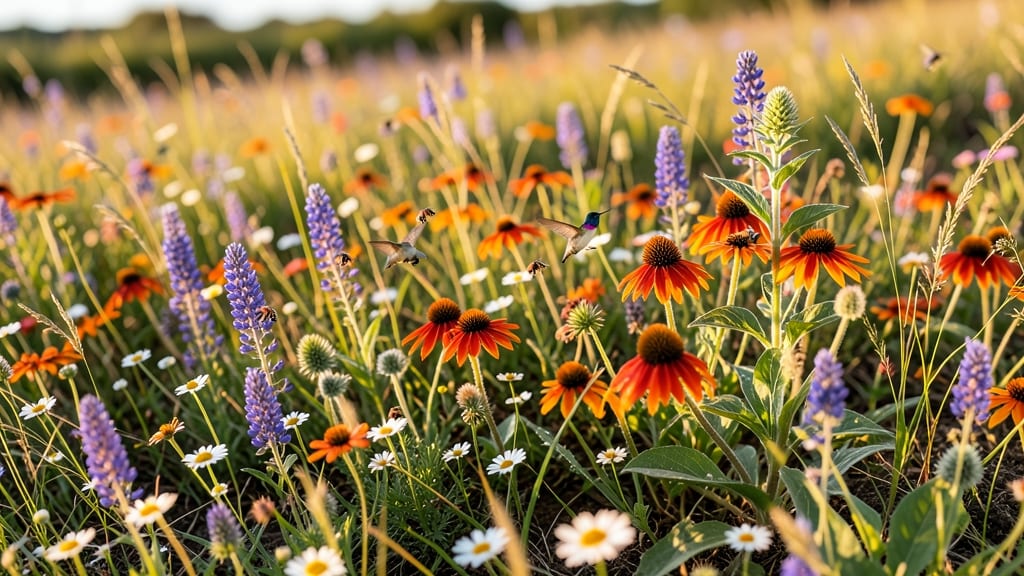
Turn your yard into a living sanctuary for bees, butterflies, and hummingbirds with a native wildflower lawn tailored to your region. Unlike generic mixes, this certified pollinator blend includes only locally adapted species that thrive with minimal care while supporting declining wildlife populations.
Look for seed mixes labeled "pollinator-friendly" or "bee-friendly"—they typically include black-eyed Susans, milkweed, and lavender—plants that provide nectar and habitat year-round. Plant in early spring or fall when soil temperatures are mild, and water lightly until established. The best part? No pesticides are needed, as these wildflowers naturally repel pests and attract beneficial insects that keep your garden balanced.
This is the perfect choice for eco-conscious gardeners, urban homesteaders, or anyone eager to make an impact on local biodiversity. Watch your lawn transform into a buzzing, blooming ecosystem that thrives on its own. 🌟
English Cottage Garden Wildflower Patch
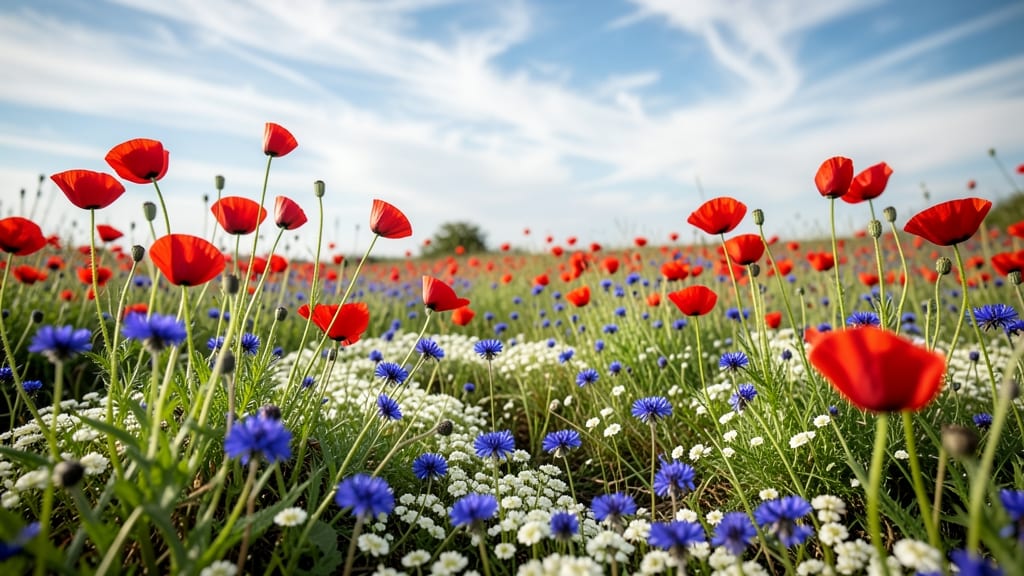
Step into a storybook with an English Cottage Garden Wildflower Patch that blends rustic charm with effortless care. This whimsical mix of red poppies, blue cornflowers, and white clover mimics the beloved look of classic English gardens—but without the high-maintenance upkeep.
Plant this blend in full sun for a burst of color that blooms from spring through summer. The self-seeding poppies and nitrogen-fixing clover reduce weeding and fertilizing needs, while the delicate petals attract bees and butterflies. Scatter seeds over prepared soil in early spring or fall, then let nature take its course—no mowing required!
Perfect for cottagecore enthusiasts or anyone craving a low-fuss garden that feels like a fairy tale. 🌷
Low-Growing Creeping Thyme Lawn
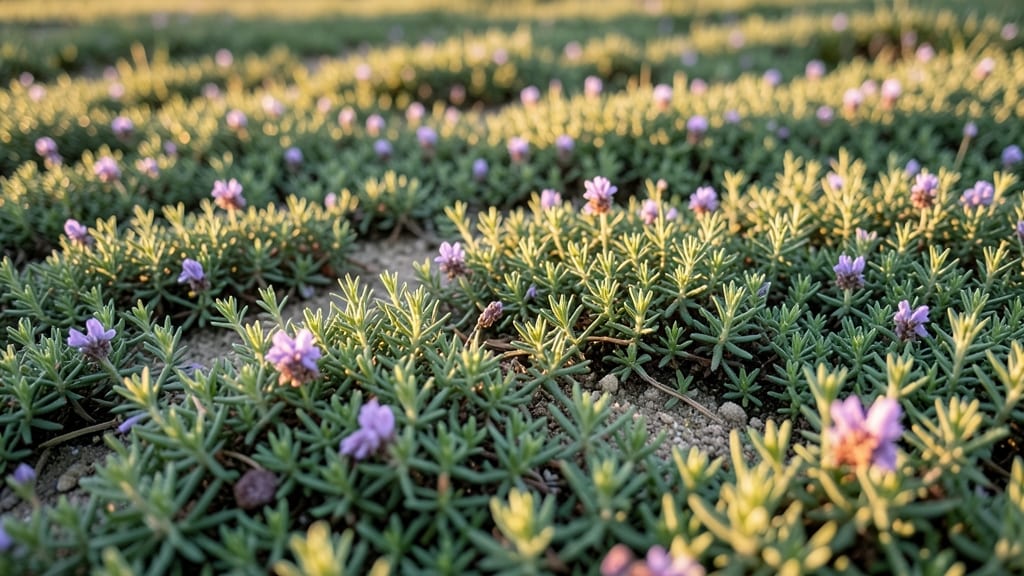
Skip the mower and step into a fragrant, resilient lawn with creeping thyme—this hardy ground cover replaces grass with a soft, aromatic carpet that thrives in full sun and drought. Its tiny purple flowers and pine-scented leaves create a sensory experience while naturally deterring pests like rabbits and deer.
Plant creeping thyme in well-drained soil with 6+ hours of sun daily for best results. It spreads aggressively but stays low (3-6 inches tall), making it ideal for patios, pathways, or play areas. Shear lightly after flowering to maintain its tidy look, but avoid over-trimming to preserve its pest-repelling properties.
Perfect for gardeners seeking a low-maintenance, chemical-free alternative, this living lawn also handles foot traffic beautifully—no more muddy shoes or patchy spots. 💚
Wildflower and Clover Seed Mix
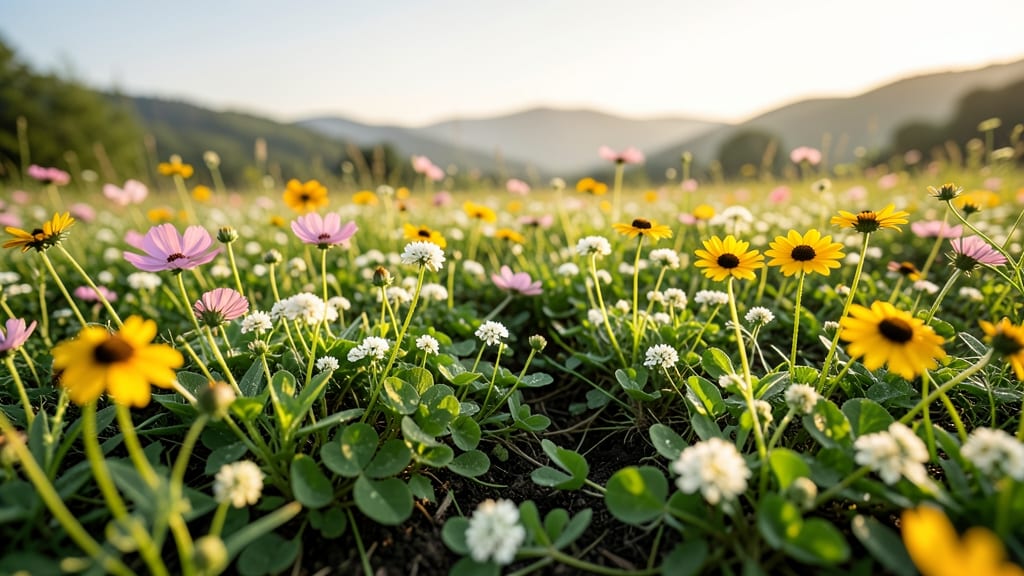
Skip the synthetic fertilizers—this wildflower and clover mix does the heavy lifting for you. The nitrogen-fixing clover works underground to enrich your soil naturally, while colorful wildflowers like cosmos and black-eyed Susans create a blooming carpet above. It’s the ultimate low-maintenance duo that keeps your lawn lush without chemicals.
Plant this mix in full sun to partial shade after killing existing grass (or on bare soil). Water lightly for the first few weeks, then let nature take over—this blend thrives with minimal care. The clover’s deep roots prevent erosion, while wildflowers attract pollinators all season long. Perfect for organic gardeners or anyone tired of fertilizing.
This is your chance to grow a self-sustaining lawn that’s as kind to the planet as it is beautiful. 💚
Prairie-Style Wildflower Meadow
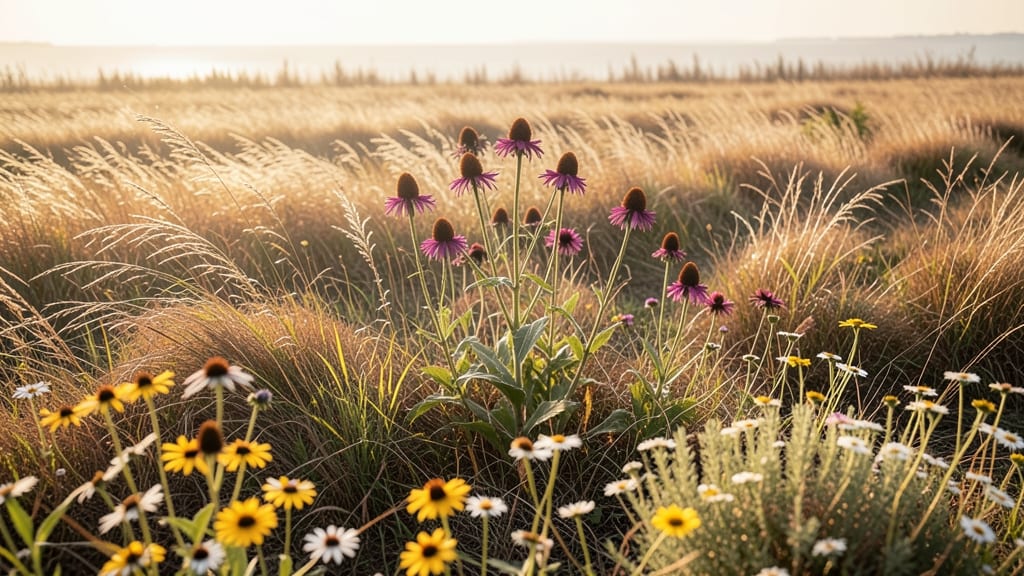
Want a lawn that feels like a wild, untamed prairie without the upkeep? A prairie-style wildflower meadow brings dramatic height and texture with tall grasses like switchgrass and coneflowers that sway in the breeze—all while cutting your mowing time to just once a year.
This low-maintenance look thrives in full sun and well-drained soil, with native perennials that return year after year. Plant in late summer for best results, and let the mix self-seed over time. The one-mowing rule applies in late winter or early spring to keep growth in check while preserving winter interest.
Perfect for rural properties or large suburban lots, this design turns your yard into a pollinator magnet while reducing water needs. Ideal for those who love a bold, natural aesthetic with minimal fuss. 🌻
Edible Wildflower and Herb Lawn
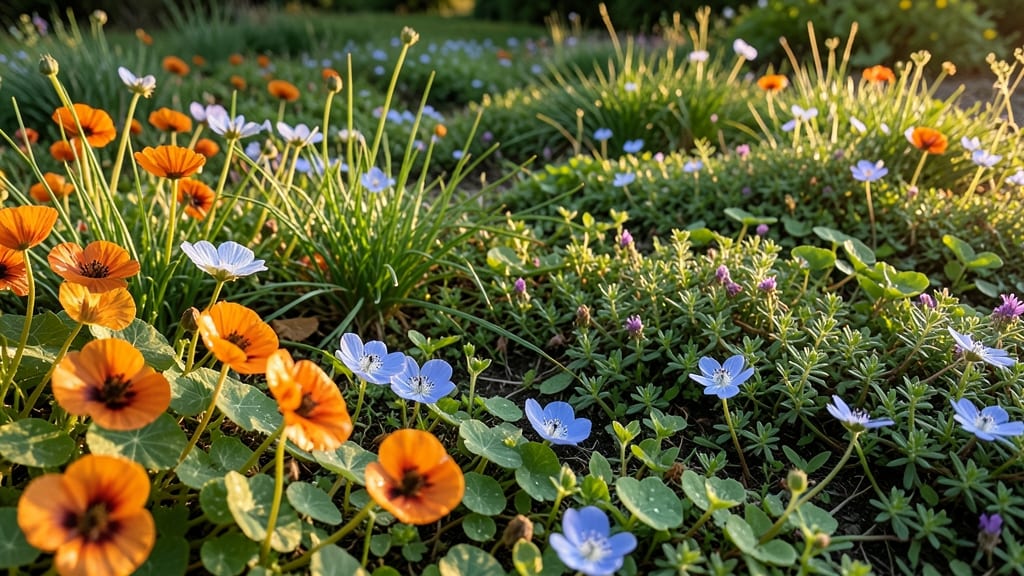
Why settle for a lawn that’s just green when it can be a culinary masterpiece? An edible wildflower and herb lawn turns your yard into a dual-purpose space—beautiful to look at and delicious to harvest. Picture stepping onto a soft carpet of nasturtiums (edible flowers with peppery leaves) and borage (vibrant blue blooms with cucumber-like flavor), with chives and oregano scattered throughout.
Start by planting a mix of low-growing herbs like thyme and chives, then sprinkle in wildflower seeds like calendula, nasturtiums, and borage. These plants thrive in full sun to partial shade and require minimal maintenance—just occasional weeding and light watering once established. You’ll enjoy fresh herbs for cooking and edible flowers for salads, garnishes, or teas, all while reducing your lawn’s upkeep.
This idea is perfect for urban gardeners with small spaces, homesteaders who want to maximize their yard’s utility, or anyone who loves the idea of a functional, food-producing landscape. 🌻
Winter-Interest Wildflower and Ornamental Grass Mix
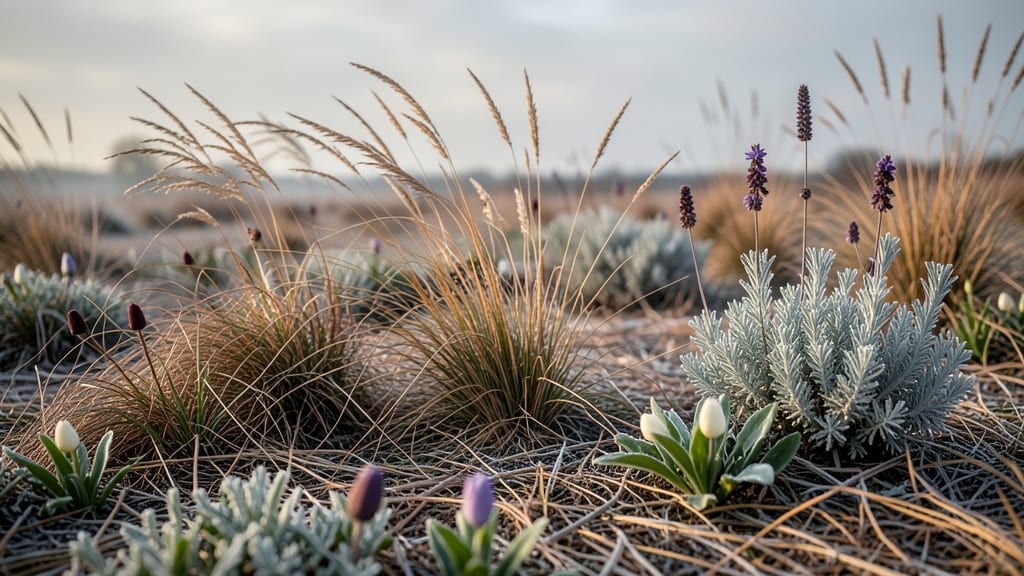
Skip the winter lawn slump with a winter-interest mix that keeps your yard looking intentional even when snow falls. This blend of ornamental grasses (like Miscanthus or Feather Reed Grass) and evergreen wildflowers (such as Russian Sage) transforms bare patches into textured art—no green thumb required.
Plant in late summer or early fall to give roots time to establish before frost. The grasses’ seed heads sway dramatically in winter winds, while evergreens like Yarrow or Goldenrod add subtle color. This mix thrives in full sun to partial shade and needs no fertilizers—just occasional trimming to control height.
Perfect for homeowners who want curb appeal without winter chores, this low-maintenance option turns your lawn into a year-round conversation piece. 🌟
Children’s Sensory Wildflower Garden

Turn your backyard into a kid-approved playground with a sensory wildflower garden that’s as fun as it is functional. Skip the sharp-edged plants and opt for soft, allergen-free blooms like daisies, marigolds, and lamb’s ear—perfect for little hands to touch, smell, and even braid into flower chains.
Plant in sunny patches (6+ hours of light) for maximum blooms, and mix in clover for extra softness underfoot. Avoid anything with thorns or strong fragrances, and include edible flowers like nasturtiums for safe snacking. This garden grows best in well-draining soil and requires minimal watering once established.
Perfect for families with young children, this design turns playtime into an outdoor adventure while teaching them about nature—no pesticides or harsh chemicals needed. 🌻