
Lawn
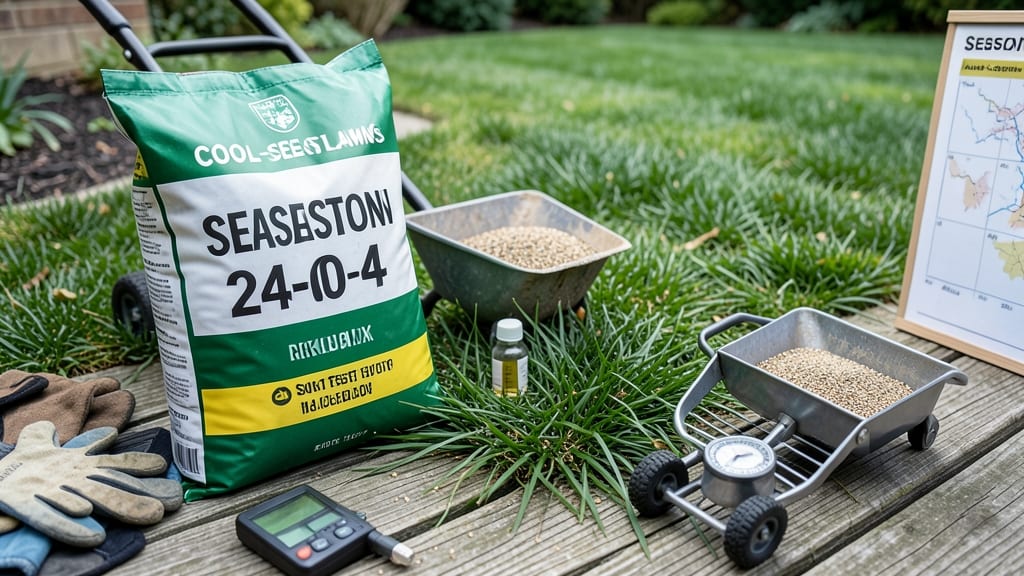
To fertilize lawn in Wisconsin, time it right with four key windows—spring, summer, and fall—because skipping or mis-timing can leave your grass thin, patchy, or even burned.
Wisconsin’s unpredictable frost dates and fluctuating temperatures mean a one-size-fits-all approach won’t work. Too early, and fertilizer just sits on frozen soil; too late, and your grass misses its growth surge. The 4-week seasonal schedule below aligns with your local climate, from the first thaw to the first hard frost.
Most homeowners overlook the critical pre-fertilization steps, like soil testing or adjusting mower height, which can make or break absorption. We’ll cover those, plus how to choose between organic and synthetic fertilizers for Wisconsin’s USDA Zones 4-5.
By the end, you’ll know exactly when to feed your lawn—without wasting money or harming your grass—so you’re ready for the next spring thaw or fall overseeding.
Wisconsin lawn fertilization timeline by season: exact months and climate-based adjustments
Wisconsin’s cool-season grasses like Kentucky bluegrass and tall fescue thrive with precise fertilization timing. Unlike warmer climates, Wisconsin’s USDA Zones 4-5 demand adjustments for soil temperature, rainfall patterns, and frost dates. Skipping these windows means weaker grass or wasted fertilizer—here’s the exact schedule your lawn needs.
Before applying any fertilizer, test your soil pH (ideal: 6.0–7.0 for most Wisconsin lawns). Adjust with lime if too acidic or sulfur if too alkaline. Mow higher (3–4 inches) before fertilizing to reduce stress on grass blades. These prep steps ensure nutrients absorb properly and don’t burn your lawn.
Spring is the most critical season—apply your first feeding 4–6 weeks after dormancy breaks (typically late April to early May). Use a high-nitrogen (24-0-5) fertilizer to fuel rapid growth. In southern Wisconsin, start earlier (early April); in northern regions, wait until mid-May after frost risk passes.
Wisconsin’s summer heat (June–August) slows grass growth, but light feedings every 6–8 weeks maintain color. Avoid fertilizing during droughts—wait until 1 inch of rain occurs within 48 hours. July is prime for weed control fertilizers if crabgrass appears. Always water deeply after feeding to activate nutrients.
Fall fertilization (September–October) strengthens roots for winter. Apply a low-nitrogen, high-potassium (10-0-20) blend in late August to early September. This timing helps grass recover from summer stress. In northern Wisconsin, finish by mid-September; in southern areas, extend to early October before frost.
Winter (November–March) is a no-fertilizer zone. Cold soil prevents nutrient absorption, and excess fertilizer can burn roots when temps drop below 40°F. Instead, focus on aeration in early fall to improve spring absorption. Snow cover provides natural insulation—no extra steps needed until dormancy lifts.
Adjust your schedule based on Wisconsin’s microclimates. Southern counties (like Milwaukee) can fertilize 2 weeks earlier than northern areas (like Superior). Monitor soil temperature—wait until it stays above 55°F for 5+ days before spring feeding. Use a soil thermometer for accuracy.
For organic options, switch to compost or fish emulsion in spring/fall. Synthetic fertilizers work faster but require precise timing. Always follow the 3-1-1 rule: 3 parts nitrogen, 1 part phosphorus, 1 part potassium for established lawns. Overapplying nitrogen causes burnt patches and runoff pollution.
Pro tip: Calibrate your spreader annually to avoid over/under-applying. Test a small patch first—if grass turns dark green with yellow tips, you’ve overdone it. For shade lawns, reduce nitrogen by 25% and increase potassium to 15-0-15 for better stress tolerance.
| Season | Best Time (Wisconsin) | Fertilizer Type | Key Adjustments |
|---|---|---|---|
| Spring | Late April–Early May | 24-0-5 (High N) | Wait for soil >55°F; mow high (3–4") |
| Summer | June–July (every 6–8 wks) | 16-4-8 (Balanced) | Light feed; avoid drought periods |
| Fall | Late Aug–Early Sept | 10-0-20 (Low N, High K) | Strengthens roots; stop by frost |
| Winter | None | N/A | Soil too cold; risk of burn |
Track your lawn’s growth cycles to fine-tune timing. If grass greens up early (by late March), shift spring feeding to early April. Use a lawn journal to note when you fertilize, rainfall amounts, and grass response.
This helps adjust future schedules. For new lawns, wait 6–8 weeks after seeding before fertilizing to avoid seed washout.
Wisconsin’s variable rainfall (especially in summer) means flexibility. If heavy rain occurs within 24 hours of feeding, reapply half the dose. In dry years, reduce summer feedings to prevent stress. Always water before fertilizing—dry soil blocks nutrient uptake. Aim for 1 inch of water per week
Best fertilizer types for Wisconsin lawns: N-p-k ratios and slow-release vs. quick-release options
Wisconsin’s cool-season grasses like Kentucky bluegrass and tall fescue thrive with the right N-P-K ratios and fertilizer timing. The wrong choice can lead to burned grass or wasted money. Let’s break down how to match your lawn’s needs with the best fertilizer options for Wisconsin’s climate.
For Kentucky bluegrass, which dominates many Wisconsin lawns, a high-nitrogen fertilizer like 32-0-4 is ideal in spring. Fine fescue, however, prefers a balanced approach with 20-5-10 ratios to avoid overstimulation. Tall fescue falls somewhere in between, benefiting from 24-0-5 for robust growth.
Wisconsin’s acidic soils (pH 5.0–6.5) often need micronutrients like iron and manganese. Organic options like composted manure or fish emulsion slowly release nutrients, while synthetic slow-release granules provide consistent feeding without risk of burn. Quick-release fertilizers are best for emergency greening in late summer.
Always test your soil first—Wisconsin’s clay-heavy soils can lock out nutrients. If your soil is acidic (pH < 6.0), add lime before fertilizing. For sandy soils, opt for quick-release options to prevent leaching during Wisconsin’s heavy spring rains.
Spring is the best time for high-nitrogen fertilizers to kickstart growth, while fall applications (late August–September) focus on root strengthening. Avoid fertilizing in winter—it can burn grass or leach into groundwater. Stick to slow-release options in summer to prevent burn during heatwaves.
Pro tip: Split applications work best for Wisconsin lawns. For example, use half the recommended dose in early spring and the rest in late summer. This mimics natural nutrient cycles and prevents overgrowth or weed competition. 🌱