
Fertilization
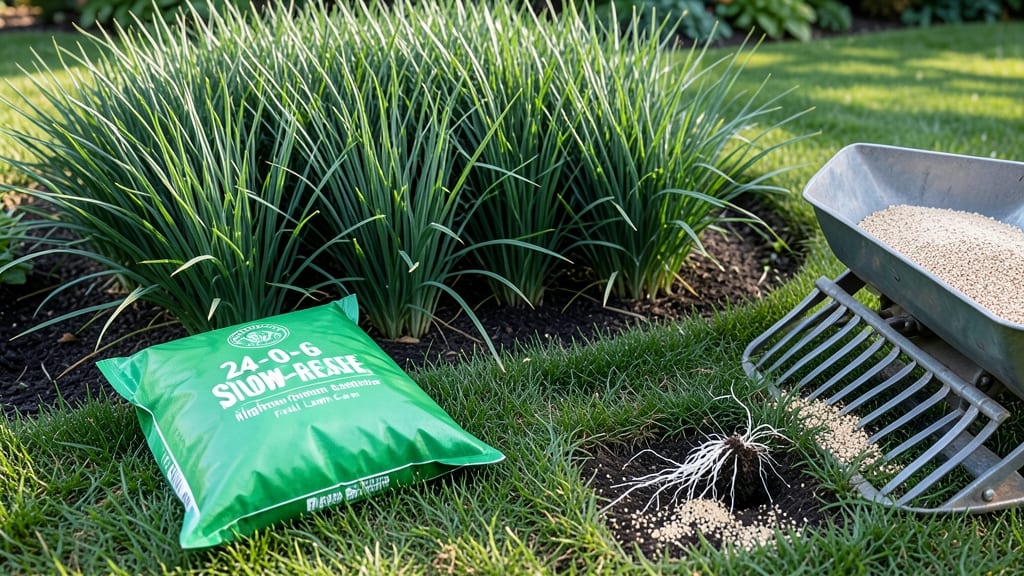
Fertilizing your lawn in the fall is the key to stronger roots and a greener spring—but timing it wrong can backfire and leave your grass struggling.
Picture this: you’ve just put in the work to mow, water, and aerate your lawn 🌱, only to realize you missed the perfect window for fall fertilization. That’s how you end up with weak grass that browns early or invites weeds.
The right moment depends on where you live, and getting it right means healthier soil and fewer headaches next year.
Most gardeners in USDA Zone 6a should fertilize between mid-September and early October—about 4-6 weeks before the first frost. This gives your lawn time to absorb nutrients before winter dormancy sets in.
But if you live in warmer climates, the window shifts later, and skipping it entirely might be the better move.
In this guide, I’ll break down the exact months for your region, how to choose the right fertilizer for your grass type, and what to watch for to avoid common mistakes. Let’s get that lawn prepped for its best season yet.

Best fall fertilization months by US climate zone (with exact timing)
Timing your fall lawn fertilization correctly can mean the difference between a thick, green lawn next spring and one plagued by weeds and thin patches. The key is fertilizing 4-6 weeks before your first frost, when grass roots are still active but growth slows naturally.
However, your exact window depends on whether you live in the North, South, or Transition Zones—each with unique frost patterns and growing seasons.
For Northern climates (Zones 3-5), where winters are harsh, aim to fertilize between mid-September and early October. This gives grass time to absorb nutrients before the ground freezes.
In Southern climates (Zones 7-10), where winters are mild, you can fertilize as late as November or even December, as long as temperatures stay above 50°F (10°C) at night. Transition Zones (6-6b) fall somewhere in between, with ideal timing from late September to mid-November.
Here’s a breakdown of the best months for each zone, including late-summer prep and early-winter follow-up strategies to maximize root growth before dormancy:
| USDA Zone | Climate Type | Best Fertilization Window | Late-Summer Prep | Early-Winter Follow-Up |
|---|---|---|---|---|
| Zones 3-5 | Northern | Mid-September to early October | Aerate in August, mow shorter | Apply winter mulch, avoid foot traffic |
| Zones 6-6b | Transition | Late September to mid-November | Test soil pH, dethatch if needed | Light watering if frost occurs |
| Zones 7-10 | Southern | October to December (if temps >50°F) | Remove debris, adjust mower height | Reduce watering, monitor for pests |
In Northern Zones (3-5), where frost arrives early, focus on high-phosphorus fertilizers (like 10-20-10) to strengthen roots before the ground freezes. Apply a light layer of compost in late August to prepare the soil, then aerate if your lawn feels compacted or spongy.
After fertilizing, reduce mowing frequency to let grass blades absorb more sunlight and nutrients.
For Transition Zones (6-6b), where frost dates vary, use a slow-release fertilizer with a balanced NPK ratio (16-4-8) to avoid overfeeding. Test your soil’s pH level in late summer—ideal ranges are 6.0-7.0 for most grasses.
If your lawn has thatch buildup, dethatch in early September to improve nutrient absorption.
Southern climates (Zones 7-10) can fertilize later because grass stays active longer. Opt for a low-nitrogen, high-phosphorus blend (like 5-10-10) to encourage root growth without promoting late-season top growth.
Avoid fertilizing if temperatures drop below 50°F (10°C), as this can burn grass roots or attract pests like chinch bugs.
Regardless of your zone, water deeply after fertilizing—aim for 1 inch of water within 24 hours to help nutrients penetrate the soil. In dry climates, split this into two waterings to prevent runoff.
If your lawn shows signs of stress (yellowing or thinning) after fertilization, it may need more organic matter or a soil amendment like compost or peat moss.
One common mistake is fertilizing too close to winter, which can lead to nutrient runoff and winterkill. Always check your local frost date forecast and adjust your timeline accordingly.
For example, if your first frost is November 15, fertilize by October 1 to give grass 4-6 weeks of nutrient absorption.
Pro tip: Mark your calendar with your local extension office’s frost dates—they often provide free soil tests and tailored advice for your area. Pairing fall fertilization with overseeding (for cool-season grasses) can also boost next year’s lawn density by up to 30%.
Remember, the goal of fall fertilization isn’t just a green lawn now—it’s stronger roots for next spring. By following your zone’s ideal window, you’ll set your grass up for faster recovery, better drought resistance, and fewer weeds in the long run. 🌱
How to tell if your lawn needs fall fertilizer (and when to skip it)
Fall fertilization helps your lawn build strong roots for spring, but not every yard needs it. Cool-season grasses like fescue and ryegrass thrive with fall feeding, while warm-season grasses like Bermuda should skip it entirely. The key is checking your lawn's current health before deciding.
Start by examining your grass's color and texture. A dull, patchy lawn with thin spots is a clear sign it needs nutrients. Weed invasion (especially crabgrass) also signals poor soil health. If your lawn looks vibrant but has foot traffic damage, fertilization may still help recovery.
⚠️ WARNING: Fertilizing at the Wrong Time Can Harm Your Lawn ⚠️
⚠️ Skip fall fertilization if:
- Your soil is already rich (test pH first—ideal is 6.0–7.0)
- Grass is dormant or brown (warm-season types like Zoysia)
- Frost is within 4–6 weeks (roots won’t absorb nutrients)
- You’ve fertilized heavily in summer (risk of burning)
- Cool-season grass (Kentucky bluegrass, fescue)
- Lawn shows thin or patchy growth
- Weeds are creeping in (competition for nutrients)
Check for soil compaction by pressing your thumb into the ground. If it feels hard 2 inches down, your lawn needs aeration before fertilizing. Moss growth is another red flag—it thrives in acidic, nutrient-poor soil. If you see it, lime and fertilizer may be needed together.
For warm-season grasses, fall fertilization is counterproductive. These types (like St. Augustine) go dormant in winter, and feeding too late can encourage fungal growth. Instead, focus on light raking to remove thatch and watering deeply before the first frost.
If you’re unsure, do a simple soil test (kits cost $10–$20). High phosphorus levels (middle number in NPK) mean your lawn has enough for now. Low potassium (last number) signals winter weakness—perfect for fall feeding. Time your application 4–6 weeks before frost for best results.
Remember: Less is often more with fall fertilizer. A high-phosphorus, slow-release formula (like 10-20-10) strengthens roots without overfeeding. Water thoroughly after applying to help nutrients penetrate the soil. 🌱