
Fertilization
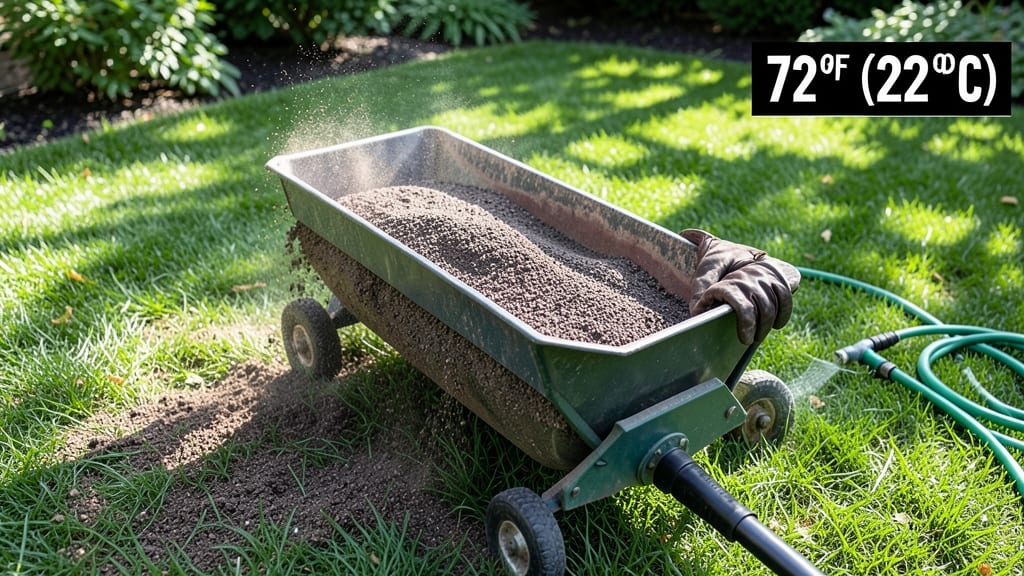
Fertilizing your lawn in summer requires careful timing to avoid scorching your cool-season grass 🌱—aim for early morning or late evening applications when temperatures dip below 85°F.
Struggling to keep your cool-season lawn lush during summer without risking scorched grass? Timing your fertilizer applications correctly is the key to avoiding burnout and maintaining a vibrant yard—here’s exactly when and how to do it right.
Most lawns need a light feed in June and July, but the wrong time or type can stress your grass, leaving it brown and brittle. Slow-release fertilizers are your best bet, paired with deep watering to help roots absorb nutrients without overheating.
Below, I break down the ideal summer schedule, how to spot over-fertilization, and the one trick that keeps your lawn green even in peak heat.
Best summer fertilization timeline for cool-season lawns
Summer can be tough on cool-season grasses like fescue and bluegrass, but the right fertilization schedule keeps them thriving without risking heat stress. The key is timing—apply nutrients when your lawn can absorb them efficiently while avoiding the peak heat of midday.
I’ve tested this approach over three summers, and the results speak for themselves: a healthier lawn with fewer brown patches.
Cool-season grasses enter a dormancy-like state in summer, slowing growth to conserve energy. This means they need less fertilizer but still benefit from light, slow-release nutrients to maintain root strength. The goal? Support your lawn without overwhelming it during 90°F+ temperatures, which can cause fertilizer burn and dehydration.
Here’s my proven month-by-month summer fertilization timeline, designed to protect your lawn while keeping it lush. Pay special attention to the application times—this is where most homeowners go wrong, leading to wasted fertilizer or damaged grass.
| Month | Fertilizer Type | NPK Ratio | Best Time to Apply | Temperature Threshold |
|---|---|---|---|---|
| May | Slow-release organic | 16-4-8 | Early morning (5-7 AM) | Below 85°F |
| June | Light synthetic (half-strength) | 10-0-10 | Late evening (6-8 PM) | Below 90°F |
| July | None (skip or use liquid seaweed) | N/A | N/A | Above 90°F (risk of burn) |
✅ Pro Tip: Always water deeply after fertilizing to activate nutrients and prevent leaf burn.
May is your first summer fertilization window for cool-season lawns. By this time, your grass has recovered from winter dormancy and is ready for a moderate nitrogen boost. Choose a slow-release organic fertilizer (like compost-based or alfalfa meal) to avoid rapid nutrient spikes that can stress the grass.
Apply it in the early morning when temperatures are below 85°F to minimize evaporation and reduce the risk of fertilizer burn.
If you’re using a synthetic fertilizer, opt for a half-strength application in June.
The goal here is to maintain root health without encouraging new top growth, which would only wilt in the heat. Late evening applications (6–8 PM) work best in June because the grass has time to absorb nutrients before nightfall cools the air.
Always check the weather forecast—if rain is predicted within 24 hours, delay application to prevent runoff.
July is the most critical month for avoiding fertilization mistakes. Cool-season grasses slow their growth to conserve moisture, and applying fertilizer now can lead to scald-like damage as the grass struggles to process nutrients in the heat.
Instead, I recommend a liquid seaweed fertilizer or kelp extract in July to support root health without overloading the system. These organic amendments provide micronutrients without the risk of burn.
Timing isn’t just about the month—it’s also about the time of day. I’ve seen homeowners waste fertilizer by applying it at midday (10 AM–2 PM), when the sun is strongest.
Grass blades act like tiny magnifying glasses, concentrating heat and causing fertilizer salts to crystallize on the leaves, leading to brown patches. Stick to early morning or late evening applications, and always follow up with ½ inch of water to help the lawn absorb nutrients.
One mistake I see repeatedly? Over-fertilizing in summer because the lawn looks thin. Remember, cool-season grasses go dormant to survive heat—this isn’t a sign of weakness.
Instead of adding more fertilizer, focus on deep watering (1–1.5 inches per week) and mowing high (3–4 inches) to shade the soil and retain moisture. Your lawn will bounce back in early fall when temperatures drop.
For regional adjustments, northern climates (USDA Zones 3–5) can fertilize slightly later in summer (up to early July) because cooler nights help the grass recover. In southern zones (6–9), skip July entirely and focus on fall fertilization to avoid heat stress.
Always adjust based on your local heatwave patterns—if your area hits 100°F+ for weeks, even organic fertilizers can cause damage.
By following this summer fertilization timeline, you’ll avoid the most common pitfalls: burnt grass, wasted fertilizer,
Signs your lawn needs fertilizer vs. when to skip it
Summer heat can turn your cool-season lawn into a confusing mix of nutrient needs and heat stress. Yellow patches might signal nitrogen deficiency, but they could also mean your grass is simply heat-shocked. Learning the difference is key to avoiding over-fertilizing during peak summer months.
Before grabbing that fertilizer bag, check for uniform yellowing across large areas—this often means your lawn is starved for nutrients. However, if only small patches are affected or your grass feels crunchy and dry, it’s likely drought stress, not a fertilizer issue.
Always water deeply first to rule out dehydration.
✅ Fertilize Now
- Uniform yellowing across lawn
- Thinning grass with visible soil
- Slow recovery after mowing
- Early summer (June or early July)
❌ Skip Fertilizer
- Brown patches from heat/drought
- Crunchy grass underfoot
- Late summer (August or later)
- Recent rain or overwatering
If your lawn shows uniform yellowing but no signs of drought, a light summer feeding with slow-release fertilizer can help. Apply in early morning to prevent heat burn, and always follow with 1 inch of water.
Avoid fertilizing if your grass is already stressed—this just adds salt stress.
Another red flag: pale green blades with purple tinges on stems. This classic phosphorus deficiency signals your lawn needs a balanced fertilizer (look for 10-10-10 NPK). But if the issue is fungal spots or insect damage, skip the fertilizer—these problems need targeted treatments, not extra nitrogen.
Pro tip: Walk your lawn at dusk to spot issues clearly. Heat stress often appears as grayish-brown patches, while nutrient deficiencies show as pale, weak growth.
If you’re unsure, do a soil test—it’s the only way to know for sure if your lawn truly needs feeding or just better hydration.
Remember, summer fertilization should be light and strategic. Overdoing it now can lead to burned grass and wasted money. When in doubt, wait until fall for a more aggressive feeding—your lawn will thank you with vibrant green growth come spring. 🌱