
Lawn
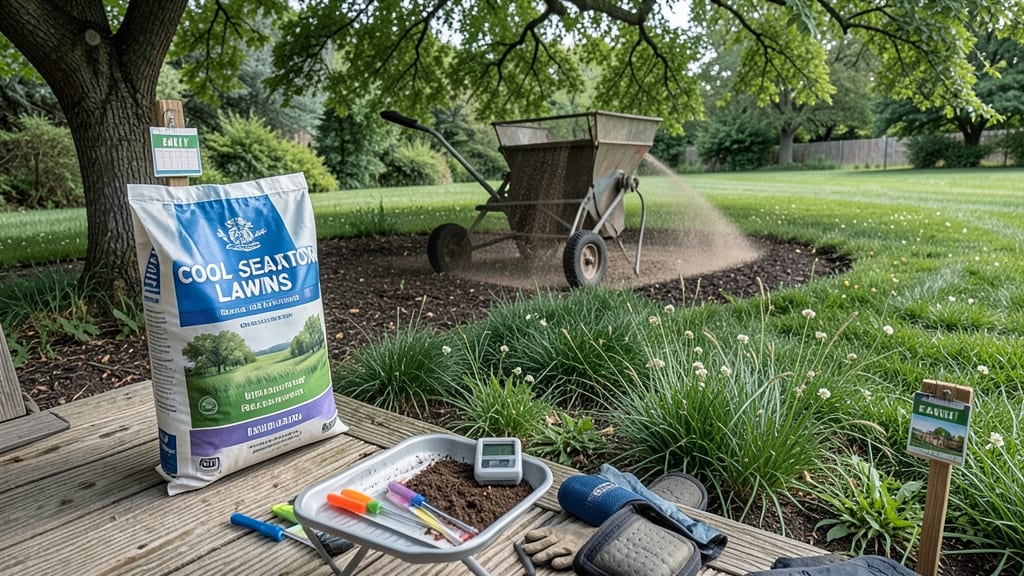
Fertilizing your Oregon lawn at the right time—early spring and fall—is the secret to that deep green growth you’re chasing, especially with 🌱 cool-season grasses thriving in zones 7b-9a.
Here’s the catch: Oregon’s rainy springs and mild falls mean timing isn’t just about the calendar—it’s about soil temps, grass types, and even your microclimate. Skip the window, and you’ll end up with fertilizer washing away or grass burning under the sun.
In this guide, I’ll break down the exact months to feed your lawn (spoiler: it’s not just March and September), how to adjust for Portland’s damp winters or the High Desert’s dry heat, and whether organic or synthetic fertilizer wins for your soil.
By the end, you’ll know not just when to fertilize, but how to do it so your lawn stays lush without breaking the bank—or the rules of Oregon’s fickle growing season.
Best Oregon fertilization schedule: spring vs. fall timing explained
Oregon’s microclimates create unique fertilization challenges. The Willamette Valley stays damp longer, while the High Desert dries out faster. Even the Coast Range has cooler soils that delay growth.
These differences mean a one-size-fits-all approach won’t work—your timing must align with your local conditions to avoid wasted fertilizer or grass burn.
Most cool-season grasses (like fescue and ryegrass) dominate Oregon lawns, thriving in 55-65°F soil temperatures. Warm-season grasses (like Bermuda) are rare but need 75°F+ soils to activate. Knowing your grass type is critical—fertilizing at the wrong time can stress cool-season grasses or fail to support warm-season varieties.
The spring feeding window opens when daytime highs consistently reach 50°F+ and soil temperatures hit 55°F. In the Willamette Valley, this is usually mid-March to early April.
The High Desert may wait until late April, while the Coast Range can start as early as February in sheltered areas.
Fall fertilization is equally critical. Aim for early September to mid-October when grasses begin root strengthening before winter dormancy. The Coast Range can extend this window until late October due to milder temperatures, while inland areas should finish by mid-October to avoid winter washout from rain.
Here’s a quick reference for Oregon’s three main climate zones:
| Climate Zone | Spring Fertilization Window | Fall Fertilization Window | Key Soil Temp Trigger | Rain Adjustment |
|---|---|---|---|---|
| Willamette Valley | Mid-March to early April | Early September to mid-October | 55-60°F soil | Wait 2-3 days after heavy rain |
| Coast Range | February to March | Late September to late October | 50-55°F soil | Apply on dry days; rain delays growth |
| High Desert | Late April to May | Mid-September to early October | 60-65°F soil | Water before/after application |
Note: Adjust for microclimates—e.g., south-facing slopes warm faster.
One of the biggest mistakes Oregon gardeners make is fertilizing in winter. Cool-season grasses go dormant below 40°F, and any fertilizer applied then just washes away or burns tender roots. Even in mild winters, avoid feeding after November 1st in most zones.
For new lawns, wait 6-8 weeks after seeding before fertilizing. Young grass needs time to establish roots—applying fertilizer too soon can scorch seedlings. Use a low-nitrogen starter fertilizer (like 10-10-10) to encourage root growth without overfeeding.
Rain is a double-edged sword in Oregon. While it keeps your lawn hydrated, it can leach nutrients from the soil. Always apply fertilizer early in the morning and water lightly afterward to help it stick.
Avoid fertilizing within 48 hours of heavy rain—the nutrients will just run off, wasting your money and harming local waterways.
Pro tip: Use a soil thermometer ($10 at garden centers) to track soil temps. Most Oregon nurseries sell them, and they’re worth the investment. Dig it 2-3 inches deep (where roots grow) and monitor daily until you hit your zone’s trigger temperature.
Finally, consider slow-release fertilizers for Oregon’s rainy climate. They provide steady nutrition without the risk of burning grass from sudden nitrogen spikes. Brands like Scotts Turf Builder or Espoma Organic Lawn Fertilizer are popular choices, but always follow the label rates—Oregon’s acidic soils can make over-fertilizing especially damaging.
How to choose the right fertilizer for Oregon’s soil and grass types
Oregon’s acidic soil (pH 5.0-6.5) and diverse grass types—like Kentucky bluegrass, fescue, and ryegrass—demand careful fertilizer selection. The wrong choice can burn delicate roots or fail to nourish your lawn, especially in compacted Portland soil or sandy High Desert conditions.
Let’s break down how to pick the perfect fertilizer for your Oregon yard.
First, test your soil pH using a kit from your local garden center. Most Oregon lawns thrive at a pH of 6.0-7.0. If your soil tests too acidic (below 5.5), opt for a lime-based fertilizer to balance it before applying nitrogen-heavy blends.
For sandy soils common in the High Desert, choose a slow-release fertilizer to prevent rapid nutrient runoff.
Oregon’s climate also dictates your fertilizer type. Slow-release fertilizers (like coated urea) are ideal for spring and fall applications, feeding grass steadily over 6-12 weeks. Quick-release options (e.g., ammonium sulfate) work in emergencies but risk burning grass in hot summers or after rain.
Slow-Release Fertilizers
Quick-Release Fertilizers
For organic fertilizers, consider composted manure or fish emulsion, which improve soil structure over time. These are perfect for Portland’s clay-heavy soil but may need 6-8 weeks to show results.
Synthetic options like 24-0-5 NPK blends deliver immediate nitrogen for quick growth, ideal for Kentucky bluegrass in lawns needing a fast boost.
Regional challenges matter: Compacted soil in Portland benefits from gypsum-based fertilizers to loosen the ground, while sandy High Desert soil needs water-retentive additives like hydrogel. Always water deeply after fertilizing to activate nutrients, especially in Oregon’s variable rainfall.
Start with a soil test and match your fertilizer to your grass type and local conditions. For most Oregon lawns, a slow-release, high-nitrogen organic blend in spring and fall is the safest bet.
Avoid fertilizing in winter or drought, and always follow label rates to protect your lawn’s health.