
Lawn
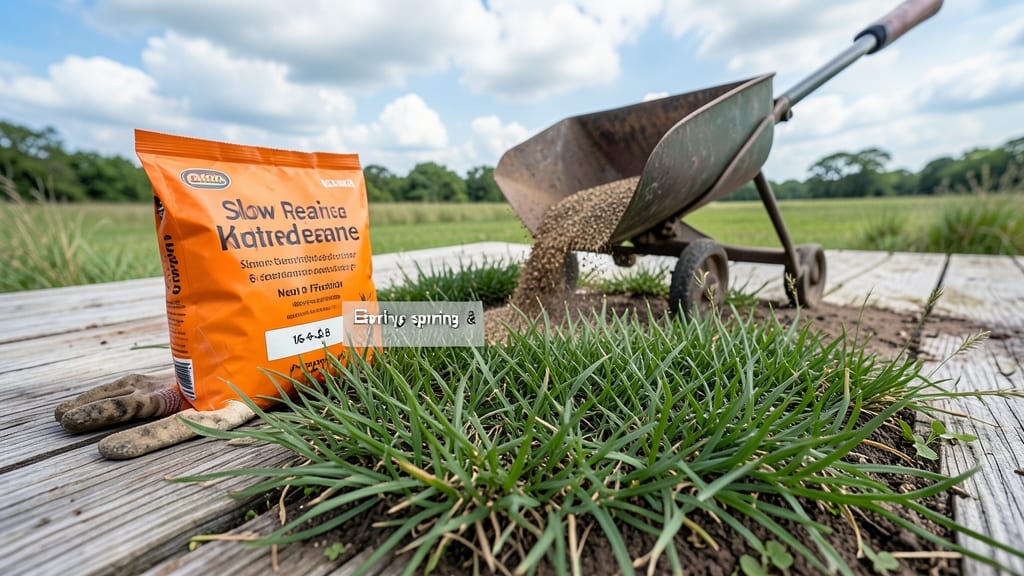
Fertilizing your lawn in North Florida at the right time can mean the difference between a lush, green carpet and a patchy, struggling yard.
North Florida’s humid climate and sandy soil demand a precise fertilization schedule to keep your lawn vibrant year-round—but timing depends on your grass type. Get it wrong, and you’ll waste money or even harm your turf.
Most homeowners in zones 8a-9b should focus on feeding their lawn in early spring and late fall, when the weather is mild and growth is active. This avoids stressing your grass during the brutal summer heat or the dormant winter months.
Below, I’ll break down the best months for each grass type, how to adjust for drought or heavy rain, and the one fertilizer type that saves you time and money while keeping your lawn thriving.
North Florida fertilization calendar: best months for warm-season vs. cool-season grasses
North Florida’s humid subtropical climate means your lawn’s fertilization needs shift dramatically between seasons. Warm-season grasses like St. Augustine and Zoysia thrive in heat, while cool-season varieties like Ryegrass and Fescue prefer milder temperatures. Timing your fertilizer applications correctly ensures lush growth without burning your turf or wasting money.
Most gardeners make the mistake of fertilizing during summer heatwaves, which stresses grass and leads to brown patches. Instead, focus on early spring and late fall for warm-season grasses, while cool-season grasses benefit from late winter and early spring feedings.
Florida’s USDA Zones 8a-9b also mean microclimates vary—coastal areas stay warmer longer than inland regions.
Here’s a month-by-month breakdown tailored to North Florida’s unique conditions, including pre-emergent herbicide timing to prevent weeds while protecting your lawn.
For warm-season grasses, the spring feeding window
Signs your North Florida lawn needs fertilizer (and when to skip it)
North Florida’s sandy soil drains quickly, which means nutrients wash away faster than in other regions. If your lawn shows patchy yellowing or slow spring green-up, it’s likely starving for nitrogen. But before reaching for fertilizer, check for overwatering or fungal issues—these often mimic nutrient deficiency.
Weed invasion is another clear sign your grass is struggling. When crabgrass or dandelions take over thin spots, your lawn lacks the strength to compete. However, don’t fertilize if weeds appear after heavy rain—this could indicate soil compaction, not poor nutrition.
🌱
When to Fertilize in North Florida
| Season | Signs to Fertilize | When to Skip |
|---|---|---|
| Spring (Feb-Apr) | Pale green blades, sparse growth | After heavy rain or if soil is waterlogged |
| Summer (Jun-Aug) | Never—grass goes dormant | Brown patches from heat stress |
| Fall (Oct-Nov) | Slow recovery after summer | If lawn shows fungal spots |
Before applying fertilizer, test your soil pH—North Florida’s acidic soil often needs lime. A pH below 6.0 locks out nutrients, even if you fertilize. Grab a DIY test kit ($10 at garden centers) or send a sample to your local UF/IFAS Extension office for free analysis.
Skip fertilization if your lawn shows dark brown patches with a musty smell—this signals fungal disease. Over-fertilizing in these cases spreads the problem. Instead, improve airflow with proper mowing height (3-4 inches for most Florida grasses) and reduce watering slightly.
For warm-season grasses like St. Augustine, apply fertilizer in early spring when soil temps hit 65°F. Cool-season grasses like ryegrass need feeding in late fall (November) to establish roots before winter. Always use a slow-release formula to prevent runoff in our sandy soil.
💧