
Fertilization
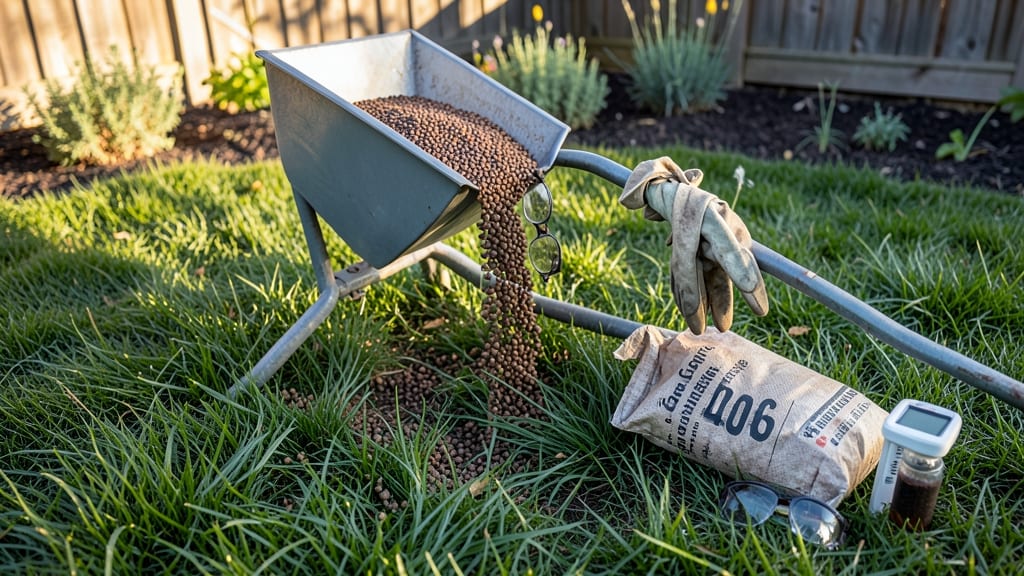
To fertilize lawns in Michigan, time it by grass type and season: apply in early spring (March–April) for cool-season grasses like Kentucky bluegrass, late spring (May) for warm-season grasses like Bermuda, and fall (September–October) for root strengthening. Always factor in soil tests and local weather patterns.
Michigan's climate varies dramatically from the Upper Peninsula's cooler zones to the Southern Lower Peninsula's warmer stretches, so your fertilization schedule should adapt accordingly. 🌱 Cool-season grasses like fescue and ryegrass thrive with early spring feedings when soil temperatures hit 50°F, while warm-season varieties need that late spring boost as daytime temps consistently reach 70°F.
I've found that fall applications—especially in October—give grasses the energy they need to survive winter's harsh conditions.
What often trips up homeowners is ignoring soil tests. Michigan's clay-heavy soils in the south versus sandy soils in the north require completely different fertilizer blends.
For instance, northern lawns might need more nitrogen in spring, while southern lawns benefit from phosphorus-heavy fertilizers in fall to support root growth during cooler months. Always check your local USDA climate zone map before planning!
💡 In This Article
- Michigan’s Fertilizing Timeline by Grass Type and Climate Zones
- Soil Testing and Fertilizer Choices for Michigan Lawns
Michigan’s fertilizing timeline by grass type and climate zones
Michigan’s three distinct climate zones—Upper Peninsula, Northern Lower Peninsula, and Southern Lower Peninsula—create unique conditions for lawn care. Cool-season grasses like Kentucky bluegrass and tall fescue dominate most lawns, thriving when soil temperatures reach 50°F in early spring.
This typically occurs between late March and mid-April in southern regions, but can delay until May in the cooler Upper Peninsula. Warm-season grasses like Bermuda and Zoysia, less common but growing in popularity, need their feeding window shifted to late May when daytime temperatures consistently hit 70°F.
The key difference lies in how these grasses metabolize nutrients. Cool-season varieties grow actively in cooler months, so they need that early spring boost to establish strong roots before summer heat. Warm-season grasses, however, enter dormancy when temperatures drop below 60°F, making spring applications ineffective.
In my experience working with Michigan lawns, I’ve seen Kentucky bluegrass show dramatic green-up within 7-10 days of proper spring fertilization, while Bermuda grass responds better to summer applications when it’s actively growing. 🌿
Climate zone matters more than you might think. The Upper Peninsula’s shorter growing season means fertilization should wrap up by late August to avoid encouraging late-season growth that won’t harden off before winter. Meanwhile, southern Michigan lawns can handle a light fall application in September to strengthen roots before freeze.
The USDA’s Zone 4-6 classification across Michigan means soil warms at different rates—sometimes a 2-3 week difference between northern and southern lawns.
Don’t overlook the role of rainfall patterns. Michigan’s 16-24 inches of annual precipitation varies dramatically by region, with the Upper Peninsula receiving more consistent moisture.
This means northern lawns may need slower-release fertilizers to prevent nutrient runoff during heavy spring rains, while southern lawns benefit from quick-release options to capitalize on summer’s drier periods. I always recommend applying fertilizer when 1-2 weeks of dry weather are forecasted to maximize absorption.
Seasonal adjustments are crucial too. For example, if you experience an unusually warm winter, your cool-season grass might wake up earlier than expected—meaning you should adjust your spring fertilization timeline accordingly.
The same goes for late frosts: waiting until after the last frost date (typically mid-May in southern Michigan) prevents fertilizer from being washed away or burned by sudden cold snaps. 🌡️
Pro tip: Mark your calendar for these key dates based on your zone:
- Upper Peninsula: Early spring (late April), late summer (early August)
- Northern Lower Peninsula: Early spring (mid-April), late spring (late May)
- Southern Lower Peninsula: Early spring (late March), fall (September)