
Lawn
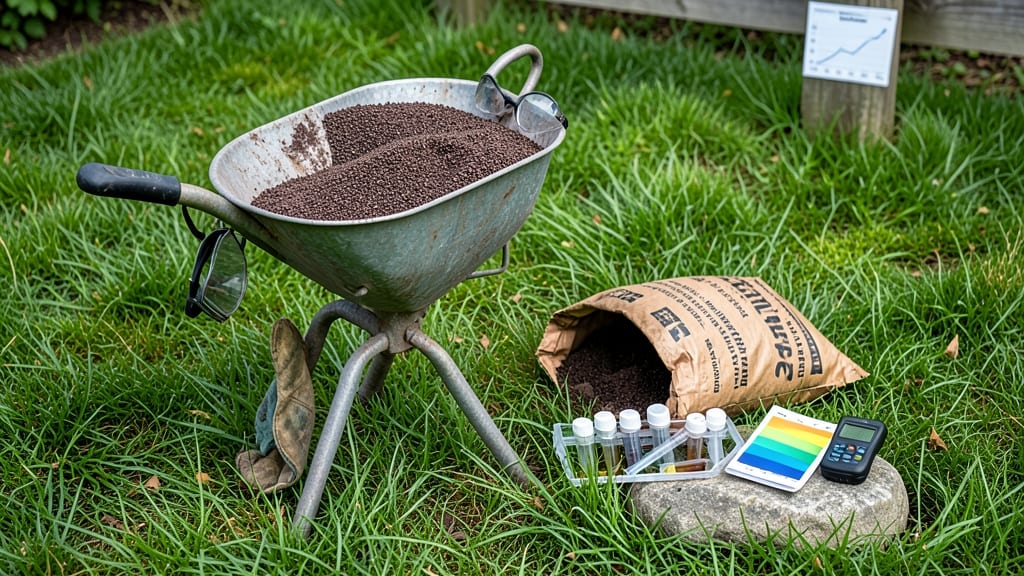
Fertilizing lawn grass in North Carolina at the right time is the difference between a vibrant green carpet and a patchy, weed-infested mess.
North Carolina’s humid subtropical climate means your lawn’s growth cycles depend on precise timing—fertilize too early or late, and you’ll waste money while missing the prime window for lush, weed-resistant grass.
Cool-season grasses like tall fescue and Kentucky bluegrass thrive when fed in early spring and late fall, but the exact dates shift depending on whether you’re in the mountains, Piedmont, or coastal plains.
Below, I break down the month-by-month schedule, regional adjustments, and how to spot when your lawn is actually ready for fertilizer—no guesswork included.
NC cool-season fertilization schedule: month-by-month breakdown
North Carolina’s cool-season grasses like tall fescue and Kentucky bluegrass thrive when fertilized at the right times—typically in early spring and late summer/fall. Missing these windows means weaker roots, more weeds, and a less vibrant lawn.
The key is aligning fertilization with your grass’s natural growth cycles, which vary slightly across NC’s Coastal, Piedmont, and Mountain regions.
For most of NC, the ideal fertilization timeline starts in March and ends in October, with strategic pauses during summer heat.
Pre-emergent herbicides also play a critical role—apply them before crabgrass seeds germinate (usually late February to early April in Coastal NC and March to early May in the Mountains). Organic options like composted manure or fish emulsion work well, but synthetic slow-release fertilizers (like 30-0-4) deliver faster results.
| Month | Task | Notes | Organic Option |
|---|---|---|---|
| February | Pre-emergent herbicide (Coastal) | Apply 4-6 weeks before crabgrass germination | Corn gluten meal |
| March | First spring feed (high nitrogen) | Use 30-0-4 or 24-0-10; 1 lb per 1,000 sq ft | Alfalfa meal |
| April | Second spring feed | Light application; avoid summer heat | Fish emulsion |
| June-July | Pause fertilization | Grass goes dormant; water deeply instead | None |
| August | Late summer feed (root strength) | Use slow-release; stop by September 15 | Composted manure |
| October | Final fall feed (low nitrogen) | Encourages root growth before winter | Bone meal |
In March, apply your first high-nitrogen fertilizer (like 30-0-4) to kickstart growth after winter dormancy. For Coastal NC, this can happen as early as late February, while Mountain regions may wait until mid-April due to later frost dates.
Always water deeply after fertilizing to help nutrients penetrate the soil—aim for 1 inch per week, including rainfall.
Skip fertilizing in June and July when summer heat stresses grass. Instead, focus on deep watering (1-1.5 inches per week) to prevent drought damage.
If you notice yellowing patches, it’s likely a nutrient deficiency—test your soil in fall to adjust pH (ideal: 6.0-7.0) and micronutrients like iron or potassium.
By August, switch to a slow-release fertilizer with lower nitrogen (e.g., 24-0-10) to strengthen roots before winter. This is also the time to apply pre-emergent herbicides for next year’s weeds.
In October, a final light feed with low nitrogen (like 10-0-20) helps grass store energy for winter. Avoid fertilizing after November 1st, as new growth can’t survive frost.
For organic options, composted manure or alfalfa meal work well in spring, while bone meal in fall adds phosphorus for root development. Synthetic fertilizers offer faster results but require precise timing—always follow label instructions for application rates.
If your lawn has thatch buildup (over 0.5 inches), dethatch before fertilizing to improve nutrient absorption.
Pro tip: Mark your calendar for March 15th (average last frost date) and November 15th (first frost) to adjust timing based on your NC region. Mountain areas may delay spring fertilization by 2-3 weeks, while Coastal zones can start earlier.
Always mow high (3-4 inches) after fertilizing to protect grass blades and retain moisture.
🌱
How to adjust fertilizer timing for NC’s microclimates: Piedmont vs. Coastal vs. Mountain regions
North Carolina’s three distinct regions—Piedmont, Coastal Plain, and Mountains—each have unique frost dates, rainfall patterns, and soil types that drastically alter when you should fertilize your lawn.
In the Piedmont, where mild winters and moderate rainfall dominate, your grass stays active longer than in the Mountains, where colder temperatures force dormancy earlier. Meanwhile, the Coastal Plain’s humid, hot summers demand a different approach to avoid burning grass during peak heat.
Getting the timing wrong can mean wasted fertilizer or stressed grass.
For cool-season grasses like tall fescue and Kentucky bluegrass, the best fertilization windows shift by 1-2 months depending on your region.
In the Mountains, you’ll want to start fertilizing by mid-April to capitalize on the short growing season, while in the Coastal Plain, you can push back to late April or early May due to warmer soils.
The Piedmont falls somewhere in between, with a sweet spot around late March to early April. Fall fertilization also varies—Coastal lawns may need a final feed as late as mid-October, while Mountain lawns should wrap up by early October.
Soil types play a huge role too. The Coastal Plain’s sandy soils drain quickly, so you’ll need to fertilize more frequently but with lighter applications. In contrast, the Piedmont’s clay-heavy soils hold nutrients longer, allowing for 6-8 week intervals between feedings. Mountain regions often have acidic soils, requiring a soil test before applying fertilizer to avoid over-acidifying the lawn. Skipping this step can lead to nutrient lockout, where your grass starves despite having fertilizer in the soil.
| Region | Spring Fertilization Window | Fall Fertilization Window | Soil Type | Key Consideration |
|---|---|---|---|---|
| Piedmont | Late March - Early April | Late September - Early October | Clay-loam | Moderate rainfall; adjust for drought if needed |
| Coastal Plain | Late April - Early May | Mid-October - Early November | Sandy | High humidity; avoid fertilizing during heatwaves |
| Mountains | Mid-April - Early May | Early October | Acidic, rocky | Cooler temps; test soil pH before fertilizing |
Rainfall is another critical factor. The Coastal Plain receives the most rainfall, so you’ll want to fertilize after a dry spell to prevent runoff. In contrast, the Piedmont’s occasional droughts mean you should water your lawn deeply 24 hours before and after fertilizing to help nutrients absorb.
The Mountains’ higher elevation means less rainfall overall, so you’ll need to monitor soil moisture closely—overwatering can leach nutrients away. If you’re unsure about your region’s typical rainfall, check the NC State Climate Office for localized data.
Don’t overlook the role of pre-emergent herbicides in your fertilization timeline. In the Coastal Plain, apply pre-emergent in late February to early March to stop crabgrass before it germinates. In the Piedmont, wait until mid-March, and in the Mountains, push it to early April.
Timing this wrong can leave your lawn vulnerable to weeds or waste your herbicide. Pair pre-emergent with a light nitrogen feed (like a 24-0-10 fertilizer) for a two-in-one approach.
Finally, adjust your fertilizer type based on your region. The Coastal Plain’s heat and humidity suit slow-release fertilizers to prevent burning, while the Mountains benefit from organic options like composted manure to improve acidic soils.
In the Piedmont, a balanced synthetic fertilizer works well due to its moderate climate. Always perform a soil test every 2-3 years to fine-tune your approach—this small step can save you money and keep your lawn thriving year after year.
By tailoring your fertilization schedule to your NC microclimate, you’ll avoid common mistakes like over-fertilizing in summer or skipping fall feeds that strengthen roots before winter. Start with the right timing, and your lawn will reward you with vibrant green growth and weed resistance all season long. 🌱