
Fertilization
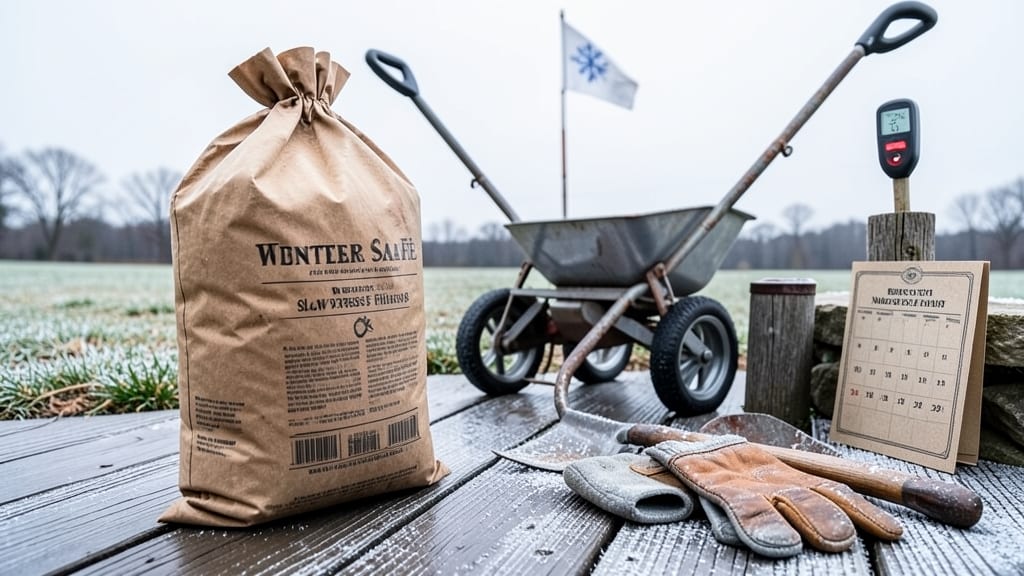
Fertilizing your lawn when it’s too cold can stunt growth, burn roots, or even wash away nutrients before your grass can use them—so knowing the right soil temperature is the key to a healthy lawn.
Picture this: you’ve just spread fertilizer in late fall, only for a surprise frost to lock the nutrients in the soil before your grass can absorb them. Worse, the granules can linger, leaching into groundwater or waiting to burn tender roots when spring finally arrives.
That’s why timing isn’t just about the calendar—it’s about the thermometer.
In USDA Zone 6 (like much of the Midwest), soil temps typically dip below 50°F by mid-October, signaling it’s time to pause fertilizing until spring. But in warmer zones like Florida or Southern California, you might still fertilize into December—so your local climate dictates the rules.
Below, I’ll break down the exact thresholds by zone and share three easy tests to check if your lawn is ready.
You’ll learn how to read soil temperature like a pro, spot the warning signs of over-fertilizing in cold weather, and even adjust your approach for drought-prone or heavy-rain regions. No more guesswork—just smart, seasonal lawn care that keeps your grass lush without wasting a penny.
Soil temperature guidelines for fertilizing lawn by US hardiness zones
Fertilizing your lawn at the wrong time can feel like throwing money away—literally. When soil temperatures dip below 40°F, grass roots slow down, making them unable to absorb nutrients properly.
This often leads to burned grass, wasted fertilizer, and even soil damage from excess salts. The key is understanding your USDA hardiness zone and adjusting your timing accordingly.
Most lawns thrive when fertilized between 40°F and 55°F, but this window shifts slightly depending on whether you're in the north (zones 3-6) or south (zones 7-10). Northern climates need to stop fertilizing earlier in fall, while southern regions can often fertilize later into winter.
Let’s break down the exact thresholds and exceptions by zone so you can fertilize with confidence.
| USDA Zone | Safe Fertilizing Window | Stop Fertilizing By | Resume in Spring | Regional Note |
|---|---|---|---|---|
| 3-4 (Coldest) | 45°F–55°F (late May–early Sept) | Mid-September | Early May | Short growing season; prioritize early spring |
| 5-6 (Temperate) | 40°F–55°F (April–October) | Late October | Mid-April | Fall fertilization critical for winter hardiness |
| 7-8 (Mild Winters) | 40°F–60°F (March–November) | Early December | Late February | Can fertilize through mild winters |
| 9-10 (Warmest) | 45°F–65°F (Year-round, but avoid frost) | January (if no frost) | January (after frost risk passes) | Fertilize year-round in frost-free zones |
If you’re in USDA zones 3-4, your lawn’s growing season is short, so focus on fertilizing in late spring and early fall. In these colder regions, grass roots become dormant below 45°F, making fertilization ineffective.
For zones 5-6, you can push fertilization slightly later into fall, but stop by late October to avoid winter damage.
Southern zones (7-10) offer more flexibility. In zones 7-8, you can fertilize through early December, but always wait until soil temps rise above 40°F in spring.
Meanwhile, zones 9-10 can fertilize almost year-round—just avoid applying fertilizer when frost is forecasted, as it can burn grass blades and wash away nutrients.
One common mistake is fertilizing too late in fall, which can lead to excessive top growth that weakens roots before winter. Instead, aim to fertilize 6-8 weeks before your region’s first frost date.
This gives grass time to absorb nutrients and harden off before cold sets in. Check your local first frost date and work backward to plan your fertilization schedule.
For cool-season grasses like Kentucky bluegrass or fescue, a light fall feeding in early October can boost root growth before winter. But if your lawn is already stressed—look for yellowing patches or slow recovery after mowing—skip fertilization and focus on watering deeply and aerating compacted soil instead.
Pro tip: Use a soil thermometer to check temperatures before fertilizing. Insert it 4 inches deep (where grass roots are most active) and wait until readings consistently stay above 40°F for at least a week. This simple tool saves you from guessing and ensures your fertilizer does the job.
In spring, resume fertilizing when soil temps hit 50°F and stay there for a week. This usually aligns with mid-April in northern zones and February in southern regions. Start with a slow-release fertilizer to avoid shocking grass that’s waking up from dormancy.
Remember, over-fertilizing is just as harmful as fertilizing too late. Always follow the label’s application rate and consider a soil test to avoid overdoing it. Your lawn will
Signs your lawn is too cold for fertilizer (and what to do instead)
Cold weather can trick your lawn into looking dormant, but that doesn’t mean it’s ready for fertilizer. When temperatures dip, grass growth slows dramatically—sometimes stopping altogether.
Applying fertilizer in these conditions can burn roots, waste nutrients, and even encourage fungal growth by promoting tender new shoots that won’t survive frost.
Instead of guessing, watch for these visual and environmental cues that signal your lawn needs care—but not fertilizer. From frost damage to soil moisture changes, your grass is telling you when to pause. Let’s decode these signs so you can protect your lawn’s health during chilly months.
⚠️ When Is It Too Cold to Fertilize?
Never fertilize when soil temps drop below 50°F. Grass roots go dormant below this threshold, making them unable to absorb nutrients. In USDA Zones 3-5, this means stopping by mid-October or earlier. In warmer zones (6-10), you may have until late November, but always check soil—not air—temperature.
One of the first signs your lawn is too cold for fertilizer is frost damage on grass blades. If you see white crystalline deposits or blades that feel brittle to the touch, your lawn is struggling to stay active.
Fertilizer in these conditions can overstimulate weak roots, leading to patchy recovery or even dead spots. Instead, focus on protecting existing growth with a light layer of mulch or winter grass seed.
Slow or stunted growth is another red flag. If your lawn hasn’t grown in 2-3 weeks despite regular watering, it’s likely conserving energy for survival. Fertilizer won’t help—it’ll just create unmet demand that stresses the grass further.
At this stage, switch to overseeding or aeration to prepare for spring. These steps improve soil structure without risking nutrient burn.
Pay attention to soil moisture too. Cold soil holds water differently, often staying damp longer than usual. If your lawn feels soggy when you walk on it or if puddles linger for hours, fertilization can leach nutrients before roots can use them.
In these conditions, prioritize drainage solutions like sand top-dressing or reducing foot traffic over the area.
If your lawn has thin or patchy areas, resist the urge to fertilize. These spots signal weak roots that can’t support new growth. Instead, overseed in early fall when temperatures are still mild enough for seed germination.
Choose cold-hardy varieties like ryegrass or fescue, which thrive in cooler weather. Pair this with a light mulch layer to insulate seeds from temperature swings.
For a quick health boost without risking fertilizer damage, try winter mulching. Spread a thin layer of straw or leaves over the lawn in late fall to protect roots and retain moisture.
This mimics natural insulation and helps grass recover faster in spring. Avoid thick mulch layers, which can smother grass and trap too much moisture.