
Lawn
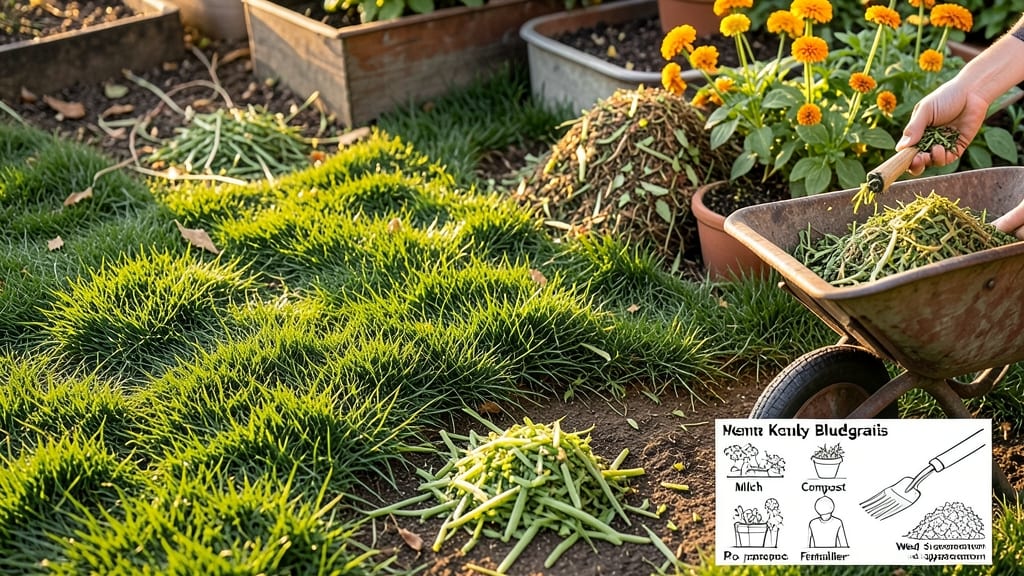
The uses for lawn clippings are endless—they're free fertilizer gold that can transform your garden. 🌱 I used to bag them up and toss them, but now I spread them around my garden beds and watch my plants thrive from the nutrients. The nitrogen-rich grass clippings break down quickly, feeding soil microbes and plants alike.
Start by mowing with a sharp blade to create finer clippings that decompose faster. Spread them evenly over garden beds, flower patches, or even in your compost pile.
A ½-inch layer is ideal—any thicker and they can mat down, blocking sunlight and air. For best results, water lightly afterward to help them settle into the soil.
You'll see healthier soil within weeks, with plants growing stronger and greener. The clippings suppress weeds naturally by blocking light, and they help retain moisture, cutting down on watering needs. It's a zero-waste win that saves you money and time.
Works in spring, summer, and even fall—just avoid using clippings treated with herbicides. For extra boost, mix them into compost piles or use them as mulch around young seedlings. Your garden will thank you!
📚 In This Guide
- What you need
- Instructions
- Tips and common mistakes
- Wrapping up and next steps
What you need
- ● Fresh lawn clippings: Collect at least 1–2 gallons (or more, depending on your project). Aim for short, dry clippings (mowed within 24 hours) to avoid mold.
- ● Gloves (heavy-duty): 1 pair to protect hands from grass blades and potential irritants.
- ● Garden rake or pitchfork: For spreading or turning clippings (choose a 12–18-inch head for ease).
- ● Wheelbarrow or bucket: A 5-gallon capacity is ideal for transporting clippings to your project site.
- ○ Watering can or hose (optional for soaking): Useful if clump-prone clippings need hydration before use.
- ● Compost bin or pile: If composting, ensure it’s at least 3’ x 3’ x 3’ for proper decomposition.
- ○ Shredder or string trimmer: For breaking down clumps into finer mulch (optional but speeds up projects).
- ● Landscape fabric: A 3–4 ft. roll to line garden beds if using clippings as mulch.
- ● Garden sprayer: For applying clipping "tea" (diluted grass fertilizer) to plants.
- ● Plastic sheeting: A 4’ x 6’ sheet to contain clippings for "grass cycling" or weed suppression.
Creative ways to repurpose lawn clippings in your garden
Skip the bag and turn those grass clippings into garden gold—here’s how to use them wisely.
🌱 Step 1: Mulch Freshly Mowed Grass Directly
Leave clippings on the lawn after mowing—this is called grasscycling—but only if you mow high (3-4 inches) and frequently. Short clippings break down faster and won’t smother grass. I wait until clippings are less than ¼ inch long before spreading them evenly over garden beds as mulch. This locks in moisture and adds nitrogen as they decompose.
For flower beds, spread a thin layer (¼ inch)—thicker piles can mat down and block air. Water lightly after applying to help clippings settle. Avoid using clippings treated with herbicides, as they can harm plants. I test a small patch first to check for any discoloration within a week.
💧 Step 2: Make Liquid Grass Fertilizer
Fill a 5-gallon bucket with water and add 2 cups of fresh clippings, stirring well. Let it steep for 3-5 days in a shady spot, stirring daily. Strain through a mesh bag or cheesecloth into a spray bottle. This nutrient-rich "tea" is packed with nitrogen and trace minerals—perfect for feeding houseplants or foliar-spraying vegetables.
Dilute the fertilizer 1:1 with water before using to avoid overfeeding. I spray it on my tomato plants every 2 weeks during the growing season, noticing stronger stems and deeper green leaves within days. Avoid using it on seedlings, as the high nitrogen can burn tender shoots.
☀️ Step 3: Compost for Nutrient-Rich Soil
Chop clippings into small pieces (a lawnmower with a bagger works, or run them over with your car for a few minutes) to speed up decomposition. Mix them with brown materials (leaves, straw, or shredded paper) in a 3:1 brown-to-green ratio in your compost pile. Turn the pile every 1-2 weeks to aerate and speed up the process.
Clippings add nitrogen, which balances carbon-rich browns like dry leaves. I check my compost pile’s temperature—it should feel warm to the touch—to know it’s actively breaking down. Within 4-6 weeks, you’ll have dark, crumbly compost ready to enrich garden soil or top-dress plants.
✂️ Step 4: Use as a Weed Barrier
Lay a thick layer (2-3 inches) of clippings over weed-prone areas like driveways or between stepping stones. The clippings block sunlight, smothering weeds while breaking down into mulch. I’ve used this method under my berry bushes, where weeds struggle to push through the thick layer.
For garden paths, mix clippings with straw or wood chips to prevent compaction. Refresh the layer every 2-3 months as it decomposes. Avoid using this method on bare soil where you plan to plant soon—clippings can tie up nitrogen as they decompose, temporarily starving young roots.
🪴 Step 5: Feed Worms for Composting
Red wigglers thrive on lawn clippings! Add 1 cup of clippings to your worm bin weekly, burying them under bedding (shredded newspaper or coconut coir) to prevent fruit flies. Worms will burrow in within 24 hours, breaking down the grass into castings—one of the best natural fertilizers.
Keep worm bins in a cool, dark spot (60-70°F) and maintain 80% moisture (like a wrung-out sponge). I’ve seen worms turn clippings into rich, crumbly castings in 4-6 weeks. Harvest the castings by letting the worms migrate to one side of the bin, then scoop out the nutrient-packed soil for potted plants or garden beds.
Tips & tricks for maximizing lawn clipping benefits
These clever strategies will help you get the most out of your grass clippings without the hassle.
Layering for Long-Term Benefits: When using clippings as mulch in Step 1, apply a fresh layer every 4-6 weeks to maintain the ¼-inch thickness. This consistent approach prevents weed growth while continuously feeding your soil with nitrogen. I've found that mulching right after mowing (when clippings are still damp) helps them stick better to the soil, reducing waste from wind dispersal.
Accelerating the Liquid Fertilizer Process: For Step 2, if you're short on time, you can reduce the steeping period to 2-3 days by using a blender to pulverize the clippings before straining. This creates a more concentrated fertilizer, but remember to dilute it 1:1 with water to avoid overfeeding. I've tested this method and noticed faster results on my tomato plants within just 5 days instead of the usual 7-10 days.
Compost Temperature Check: In Step 3, if your compost pile isn't getting warm after 1-2 weeks, it likely needs more nitrogen. Add an extra 1 cup of clippings per 3 gallons of compost mix and turn it again. The ideal temperature for active composting is between 120-160°F—if it feels cool to the touch, your pile needs more oxygen and nitrogen-rich greens like clippings.
Worm Bin Maintenance: For Step 5, if you notice fruit flies in your worm bin, it's a sign the clippings aren't being buried properly. Always cover new clippings with at least 2 inches of bedding material. I've found that adding a handful of oatmeal to the bin helps absorb excess moisture and reduces fruit fly attraction while providing worms with additional food.
Pro Tips for Uses For Lawn Clippings
- These clever strategies will help you get the most out of your grass clippings without the hassle.
- Layering for Long-Term Benefits: When using clippings as mulch in Step 1, apply a fresh layer every 4-6 weeks to maintain the ¼-inch thickness.
- Accelerating the Liquid Fertilizer Process: For Step 2, if you're short on time, you can reduce the steeping period to 2-3 days by using a blender to pulverize the clippings before straining.
Frequently asked questions
Got questions about repurposing lawn clippings? You’re not alone! Here are answers to the most common queries to help you make the most of your grass trimmings—without the guesswork.
Can I use lawn clippings right away, or do they need to dry first?
Fresh clippings are best for mulching or composting immediately—just leave them on the lawn after mowing (if short) or spread them thinly to avoid matting. For compost, mix them with "browns" (like leaves or straw) to balance nitrogen. If clippings are thick or wet, let them dry for 1–2 days to prevent clumping.
Will lawn clippings attract pests or rodents to my garden?
Not if used correctly! Clippings alone won’t attract pests, but thick piles can trap moisture and smell foul, drawing flies or rodents. Always spread them thinly (≤1 inch deep) or mix them into compost piles. Avoid piling near your home’s foundation or storage areas to stay pest-free.
How long does it take for lawn clippings to decompose in compost?
Lawn clippings break down quickly—usually 2–4 weeks in a well-aerated compost pile, especially if chopped small. For faster results, shred them with a lawn mower or mix with coarser materials (like twigs or shredded paper) to improve airflow. Turn the pile every few days to speed up decomposition!
What’s the best alternative if I don’t have lawn clippings?
No clippings? No problem! Use these free/cheap substitutes:
- Grass seedings (from over-seeding): Mow high and collect the fine clippings.
- Leaf mold: Shred and compost dry leaves for a nitrogen-rich "brown."
- Straw or hay: Great for mulching (just avoid treated hay).
- Cardboard/newspaper: Shredded and soaked, they work as a temporary mulch.
Why do my lawn clippings smell bad when composting?
A foul odor usually means too much nitrogen (clippings) and not enough carbon ("browns"). Fix it by:
- Adding dry leaves, straw, or shredded paper (aim for a 2:1 carbon-to-nitrogen ratio).
- Turning the pile frequently to aerate it.
- Avoiding overwatering—clippings should be damp, not soggy.
Wrapping up and next steps
From enriching your garden soil to creating natural mulch and even DIY projects, lawn clippings are a game-changer for eco-friendly living! 🌱 Whether you’re a seasoned gardener or just starting out, these 25 clever uses prove that what you once saw as waste can now become a valuable resource.
Why not start small—try one of these ideas this weekend and watch your garden (and sustainability efforts) thrive!
Ready to turn your grass into gold? Grab those clippings, pick a project, and get creative! Your yard—and the planet—will thank you. 🌎✨