
Lawn
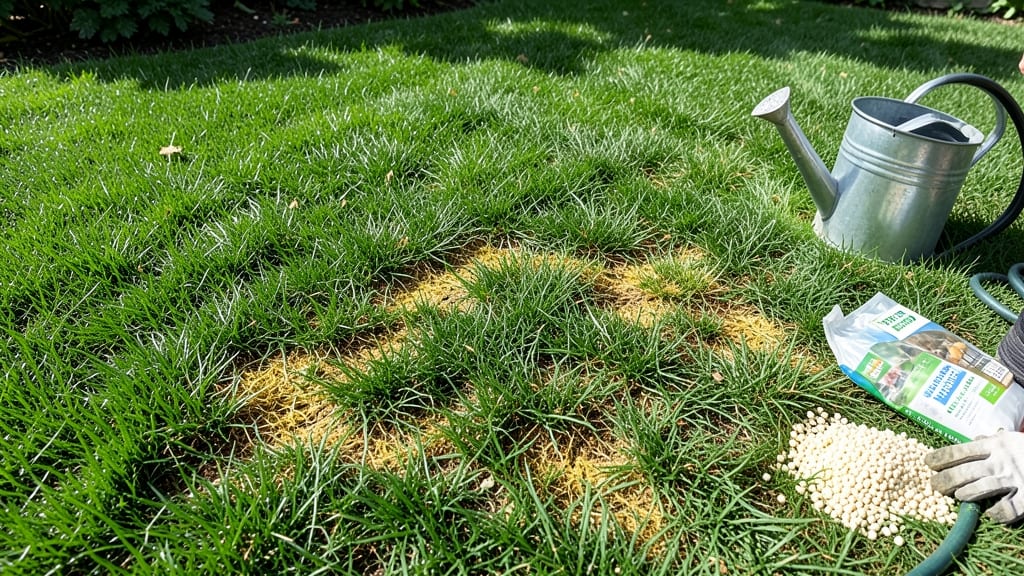
Treating dog urine on lawns can turn your grass into a patchwork of yellow—but you can neutralize those stains in 24 hours with the right approach. 🌱 I’ve seen even the worst spots bounce back to green with a few simple steps, and the key is acting fast before the damage sets in. The problem isn’t just the yellow—dog urine is packed with nitrogen, which burns grass roots while raising soil pH to levels that choke out beneficial microbes. Over time, this creates thin, patchy lawns that struggle to recover. But the good news? You don’t need harsh chemicals to fix it. Start by diluting fresh spots with water immediately, then follow up with a lime or sand top-dressing to balance the pH. A deep watering afterward helps flush out excess salts, and within a day, the grass starts to recover. For stubborn areas, a lawn-safe urine-neutralizing product works like a reset button. Prevention is even easier: train your dog to use a designated potty area, water the lawn frequently to dilute urine, and consider artificial turf in high-traffic spots. Your lawn can stay lush—no yellow stains required.
The hidden causes behind lawn damage
Dog urine stains on lawns aren’t just an eyesore—they’re a chemical reaction waiting to happen. Understanding why these yellow patches form is the first step to preventing them. Below, we break down the science behind the problem, so you can tackle it head-on with confidence.
Dog urine is packed with ammonia (NH₃) and nitrogen (N), both of which are byproducts of a dog’s metabolism. When urine hits your lawn, these compounds react with the soil’s natural chemistry:
- Ammonia is highly alkaline (pH 7.5–9.0), which burns grass blades on contact. Think of it like a mild acid rain—it weakens cell walls, causing them to turn yellow or brown.
- Nitrogen (in the form of urea) breaks down into nitric acid (HNO₃) when exposed to bacteria in the soil. This further disrupts the grass’s ability to absorb water and nutrients, leading to patchy, dead spots.
Actionable insight: The younger the dog, the more concentrated the urine (puppies have higher nitrogen levels). Frequent urination in the same spot? That’s a recipe for long-term damage.
Grass thrives in a slightly acidic to neutral pH range (6.0–7.0). Dog urine’s alkalinity shifts the soil’s pH upward, creating a hostile environment for grass roots. Here’s how it plays out:
| pH Level | Effect on Grass | What Happens |
|---|---|---|
| <7.0 (Alkaline) | 🟡 Yellowing | Grass struggles to uptake iron and manganese, leading to chlorosis (yellowing between veins). |
| >7.5 (Highly Alkaline) | 🟤 Browning/Death | Cell membranes break down, and roots suffocate from lack of oxygen in compacted, alkaline soil. |
Pro tip: Test your soil’s pH with a DIY kit. If it’s consistently above 7.0 in dog-frequented areas, it’s time to neutralize—not just treat the stains.
Dog urine doesn’t just harm grass—it starves it. The high salt and urea content leach essential minerals from the soil, including:
- Potassium (K): Critical for drought resistance and disease prevention.
- Phosphorus (P): Supports root growth and energy transfer in grass cells.
- Calcium (Ca): Helps maintain cell wall integrity.
Without these, grass becomes weak, brittle, and prone to fungal infections. Over time, even frequent watering won’t revive it—you’ll need to replenish the soil.
Not all lawns react the same way to dog urine. Two key factors amplify the damage:
- Clay or Sandy Soil:
- Clay holds moisture but traps ammonia, prolonging the burn. The alkaline urine lingers, continuing to damage roots.
- Sand drains quickly, but the lack of organic matter means no natural buffering against pH spikes.
- Hot, Dry Conditions: Urine burns are worse in summer because grass is already stressed. The ammonia evaporates faster, concentrating the damage in a smaller area.
Solution: If your lawn is sandy, amend it with compost to improve water retention. For clay soil, top-dress with gypsum to loosen compaction.
Not all dogs create equal damage. Here’s what affects urine concentration:
- Diet: Dogs on high-protein or raw diets produce urine with 20–30% more nitrogen than those on kibble. The more protein, the more ammonia.
- Breed Size: Small dogs (e.g., Chihuahuas) have higher urine concentration due to their metabolism, while large breeds (e.g., Labradors) dilute it with more volume.
- Hydration: Dehydrated dogs produce more concentrated urine. Always ensure fresh water access!
Quick fix: If you notice severe burns, switch to a lower-protein diet temporarily or add a probiotic supplement to improve urine pH balance.
Quick Fixes for Dog Urine Damage
Dog urine stains can turn your lush lawn into a patchwork of yellow eyesores—but the good news is, you can neutralize them fast with the right approach. The key is acting quickly and targeting the root cause (whether it’s acidic urine, overwatering, or poor soil).
Below, we break down practical solutions tailored to the most common problems, plus prevention tips to keep your lawn green and happy.
Dog urine is packed with nitrogen, which burns grass and leaves behind unsightly yellow spots. The faster you act, the better the results.
💦 Dilute & Flush (First Aid for Fresh Spots)
- Act within 24 hours—the longer urine sits, the deeper the damage.
- Mix 1 part white vinegar with 3 parts water in a spray bottle.
- Lightly spray the affected area (don’t oversaturate—soil needs to breathe).
- Rinse with clean water to dilute residual acidity.
- Water deeply (1–2 inches) to help grass recover.
✨ Pro Tip: If you don’t have vinegar, baking soda works too—sprinkle lightly and water immediately.
🌱 Overseed & Fertilize (Long-Term Repair)
- Rake the dead grass gently to loosen soil.
- Spread grass seed (choose a fast-growing variety like perennial ryegrass).
- Apply a starter fertilizer (low nitrogen, high phosphorus) to encourage root growth.
- Keep soil moist for 7–10 days until new grass sprouts.
Too much water or heavy foot traffic can worsen urine damage by suffocating roots. Here’s how to breathe life back into compacted soil.
🔪 Aerate & Loosen Soil (DIY or Rent a Core Aerator)
- Aerate in early fall or spring when grass is actively growing.
- Use a garden fork or aerator to punch holes 2–3 inches deep.
- Top-dress with compost (¼ inch layer) to improve drainage.
- Water lightly to help compost settle into the soil.
💡 Pro Tip: If aerating isn’t an option, spike the lawn with a garden fork every few months to break up compaction.
🌧️ Adjust Watering Habits (Less Is More)
- Water deeply 2–3 times per week (early morning is best).
- Avoid frequent light watering, which encourages shallow roots.
- Check soil moisture—stick your finger 2 inches down; if dry, water.
The best way to treat dog urine stains? Stop them before they start. Here’s how to protect your lawn long-term.
🚽 Train Your Dog (Yes, It Helps!)
- Take your dog for potty breaks on gravel, mulch, or a designated "dog patch" (away from grass).
- Reward good behavior with treats to reinforce training.
- Dilute urine on the spot with water if accidents happen.
🌱 Strengthen Grass with the Right Care
- Mow high (3–4 inches) to shade roots and retain moisture.
- Fertilize regularly (use a slow-release, balanced fertilizer like 16-4-8).
- Choose dog-friendly grass like Kentucky bluegrass or tall fescue—they recover better from urine.
🛡️ Use Natural Urine Neutralizers (Preventative Spray)
- Mix 1 gallon of water + 1 cup of baking soda + 1 tbsp dish soap in a spray bottle.
- Lightly mist the lawn after your dog goes—this breaks down uric acid before it burns grass.
- Reapply every few days during peak potty times (morning/evening).
With these fixes, your lawn can bounce back from dog urine damage in as little as 2–4 weeks. The secret? Speed, soil health, and smart prevention. Try one method at a time, and watch those yellow stains fade into green memories!
Frequently asked questions
Why does dog urine turn grass yellow?
The ammonia in dog urine is highly alkaline (pH 7.5–9.0), which burns grass blades on contact. Over time, the nitrogen breaks down into nitric acid, disrupting the grass's ability to absorb water and nutrients. This creates those unsightly yellow patches. The younger the dog, the more concentrated the urine, so puppies cause worse damage.
How quickly should I treat dog urine stains?
Act within 24 hours for the best results. Fresh urine is easier to dilute and flush from the soil before the ammonia has time to burn grass roots. The longer it sits, the deeper the damage becomes, making recovery much harder. For stubborn spots, combine immediate dilution with a baking soda rinse.
What’s the best way to dilute dog urine on grass?
Mix 1 part white vinegar with 3 parts water in a spray bottle and lightly mist the affected area. Rinse with clean water, then water deeply (1–2 inches) to help grass recover. For a stronger solution, sprinkle baking soda over the spot and water immediately. This neutralizes the acidity before it can damage the lawn.
Can I use commercial lawn products to fix urine damage?
Yes, but choose lawn-safe urine-neutralizing products designed for pet areas. Look for options with enzymatic action to break down uric acid. Avoid harsh fertilizers or weed killers, as they can worsen the problem. For a DIY alternative, apply a thin layer of sand or lime to balance soil pH after treating the stain.
How can I prevent dog urine stains long-term?
Train your dog to use a designated gravel or mulch area away from grass. Water the lawn frequently to dilute urine, and consider artificial turf in high-traffic spots. For extra protection, spray the lawn with a mix of 1 gallon water + 1 cup baking soda + 1 tbsp dish soap after your dog goes—this breaks down uric acid before it burns the grass.