
How To
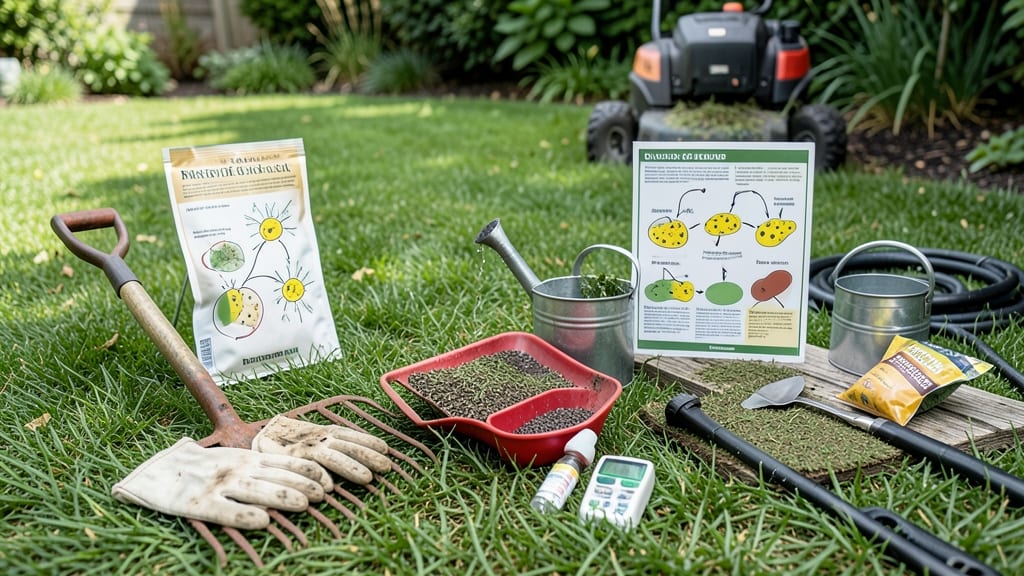
How to fix yellow spots in your lawn isn’t as complicated as it seems—those dull patches are just a sign your grass is crying out for help. 🌱 I’ve turned patchy, sad-looking grass back into a vibrant green carpet in just a few weeks by tackling the real causes: fungal infections, compacted soil, or thirsty roots. Most people waste time guessing when a quick soil test and proper watering would solve 80% of the problem.
The first step is identifying the culprit—is it dry soil, a fungus, or something chewing underground? I’ll show you how to spot the difference (yes, even the subtle clues) and what to do about each.
No fancy tools needed—just a shovel, some patience, and the right timing. The key is acting before the spots spread, because once they do, recovery gets harder.
By the end, you’ll have a lawn that stays lush and even without constant patching. We’re talking fewer bare patches, deeper green color, and grass that bounces back from drought or foot traffic.
The best part? These fixes work for any lawn size, from small backyards to big open spaces.
Ready to revive your grass? Let’s start with the simplest test—because the faster you act, the quicker your lawn will look like new. (And yes, I’ve saved lawns that looked hopeless—so don’t give up yet!)
Hidden Culprits Behind Lawn Spots
Yellow patches in your lawn aren’t just random bad luck—they’re often a cry for help from your grass. Understanding the why behind these spots is the first step to restoring that vibrant green.
Let’s dig into the most common causes, backed by science, so you can diagnose the problem like a pro.
Fungi thrive in moist, warm conditions and can turn your lawn into a buffet. The most notorious offenders include dollar spot (Clarireedia jacksonii), brown patch (Rhizoctonia solani), and snow mold (Typhula spp.).
These fungi attack grass blades and roots, starving them of nutrients and causing yellow or brown patches.
🔍 How to spot it:
- Small, circular spots (dollar spot) or larger, irregular patches (brown patch).
- Fungal growth (white, cottony threads) in damp mornings.
- Spots spread quickly in humid weather.
💡 Pro tip: Fungal activity peaks in early morning when dew is present—check your lawn then for clues.
Grass needs water, but too much can suffocate roots and create the perfect environment for fungi. When soil stays soggy for days, oxygen levels drop, and roots struggle to absorb nutrients. Poor drainage—often caused by compacted soil or clay—worsens the issue, leading to yellow patches where water pools.
🔍 How to spot it:
- Spots appear in low-lying areas or after heavy rain.
- Soil feels muddy or stays wet longer than usual.
- Grass pulls up easily (weak roots).
🌡️ Science note: Ideal soil moisture should be like a wrung-out sponge—not dripping, but damp. Test drainage by digging a small hole: if water doesn’t drain within 6 hours, you’ve got a problem.
Intense sunlight, especially after a cold snap or drought, can scorch grass blades. Newly seeded lawns or thin grass are particularly vulnerable. Heat stress causes blades to dry out and turn yellow or white, often in sun-exposed areas like south-facing slopes.
🔍 How to spot it:
- Spots appear in sunny, exposed areas.
- Grass feels crispy or brittle to the touch.
- Symptoms worsen in afternoon heat.
✨ Quick fix: Water deeply in the early morning to reduce evaporation and give grass a cooling drink.
White grubs (larvae of beetles like Japanese beetles or June bugs) munch on grass roots, leaving patches of yellow or brown grass that pull up easily. Other pests like chinch bugs or sod webworms can also create similar damage. These critters thrive in moist, warm soil and multiply quickly.
🔍 How to spot it:
- Grass pulls up like a carpet (roots are chewed).
- Spots appear in irregular patterns.
- Adult beetles or flying insects are visible nearby.
🎯 Test it: Dig up a small section of the spot—if you find white, C-shaped grubs, you’ve got an infestation.
Too much fertilizer (especially high-nitrogen or salt-based) can burn grass roots and leaves, causing yellow or brown spots. Herbicides, pesticides, or even dog urine (high in nitrogen) can also create chemical burns. These issues often appear near sidewalks, driveways, or pet areas.
🔍 How to spot it:
- Spots appear in straight lines (herbicide drift) or near high-traffic areas.
- Grass turns yellow quickly after applying chemicals.
- Soil may have a white crust (salt burn).
💡 Prevention tip: Always follow label instructions for fertilizers and pesticides—and water your lawn before applying chemicals to dilute concentrations.
Yellow spots can signal a lack of essential nutrients like nitrogen, iron, or potassium. Nitrogen deficiency (the most common) causes a pale yellow or straw-like appearance, while iron deficiency (chlorosis) turns grass yellow-green, especially in alkaline soils. Compacted soil or poor soil health can also limit nutrient uptake.
🔍 How to spot it:
- Uniform yellowing across the lawn (not just spots).
- Veins in grass blades stay green (iron deficiency).
- Slow growth or weak grass overall.
📊 DIY test: Conduct a simple soil test kit (available at garden centers) to check pH and nutrient levels. Aim for a pH of 6.0–7.0 for most grasses.
How to solve it
H2: Quick Fixes for a Vibrant Lawn
Yellow spots in your lawn can be frustrating, but the good news is that most issues have straightforward fixes. The key is identifying the root cause (as we covered in Why It Happens) and applying the right solution.
Below, we’ve mapped out practical steps for each common culprit—plus tips to keep your lawn lush and green long-term.
---
If your yellow spots are caused by dollar spots, brown patch, or rust fungus, your lawn needs a fungal treatment and better growing conditions.
- 🔥 Step 1: Apply a Fungicide
- Choose a broad-spectrum fungicide (like propiconazole or chlorothalonil) labeled for your grass type (cool-season or warm-season).
- Follow the label instructions for mixing and application—most require even coverage on dry grass.
- Reapply every 7–14 days if the fungus is severe or recurrent.
- 💨 Step 2: Improve Air Circulation
- Thin out dense areas by mowing higher (3–4 inches for most grasses) to reduce humidity trapped near the soil.
- Rake out thatch buildup (a layer of dead grass/clippings) to prevent fungal spores from thriving.
- Space out plants or shrubs near the lawn to allow sunlight and airflow.
- 🌧️ Step 3: Adjust Watering
- Water deeply but infrequently—early morning (before 9 AM) is best to let grass dry quickly.
- Avoid overwatering; soggy soil is a fungus’s dream. Aim for 1 inch of water per week (including rain).
✨ Prevention Tip: Apply a preventative fungicide in spring and fall when fungi are most active. Also, test your soil—fungi love acidic or nutrient-deficient soil.
---
Yellow patches from direct sun exposure (common on new sod or drought-prone areas) need immediate hydration and shade relief.
- 💦 Step 1: Deep Watering
- Water the affected area twice daily (early morning and late evening) for 3–4 days to rehydrate roots.
- Use a soaker hose or sprinkler to ensure water penetrates 4–6 inches deep.
- 🌳 Step 2: Provide Temporary Shade
- Set up a lightweight shade cloth (30–50% coverage) over the area for 2–3 weeks.
- If possible, plant shade-tolerant grasses (like fine fescue) in sun-exposed zones long-term.
- 🌱 Step 3: Overseed Bare Spots
- Once the grass shows signs of recovery (green tips), overseed with a drought-resistant variety (e.g., tall fescue or Bermuda grass).
- Keep the soil moist but not soggy until new growth appears (2–3 weeks).
💡 Pro Tip: Mulch around trees or shrubs with wood chips to retain moisture and protect grass roots from extreme heat.
---
If your lawn has thinning patches, spongy feel, or mole/hard activity, grubs or insects are likely the culprits.
- 🔪 Step 1: Identify the Pest
- Dig up a small section of turf—if you see white grubs (C-shaped larvae), you’ve found the problem.
- Look for chewed roots or ants/moles on the surface (they eat grubs!).
- 🐞 Step 2: Apply Grub Control
- Use an insecticidal soap or neem oil for mild infestations (safe for pets/kids after drying).
- For severe damage, opt for a grub-specific treatment (like imidacloprid or trichlorfon), following label rates.
- Apply in early summer (when grubs are young and vulnerable).
- 🌱 Step 3: Repair the Lawn
- Rake out dead grass and loosen soil with a rake.
- Spread compost or topsoil (½ inch thick) and overseed with disease-resistant grass seed.
- Water lightly daily until new grass sprouts (10–14 days).
🎯 Prevention Tip: Encourage beneficial nematodes (microscopic predators of grubs) by avoiding over-fertilizing and keeping your lawn healthy.
---
Yellow spots from waterlogged or parched soil require a quick fix to restore root health.
- 🌧️ For Overwatering (Soggy Soil):
- Improve drainage by aerating the lawn (rent a core aerator or use a garden fork).
- Add organic matter (compost or sand) to heavy clay soil to help water drain.
- Adjust your watering schedule to 2–3 times per week (deep soakings).
- 💦 For Under-Watering (Dry Patches):
- Water slowly and deeply—use a soaker hose to avoid runoff.
- Check soil moisture 2 inches down; if dry, water until moisture reaches 4–6 inches deep.
- Apply a mulch layer (straw or wood chips) to retain moisture.
🔥 Quick Fix: If the grass is already crispy, mow it short (but don’t scalp) to reduce water loss, then water immediately.
---
Frequently asked questions
Why do yellow spots appear in some areas but not others?
Yellow spots often appear in isolated areas due to localized stress factors. Fungal infections spread from a single point, while poor drainage or pest activity may target specific zones. Check for differences in soil moisture, shade exposure, or foot traffic patterns—these clues reveal the hidden cause.
How long does it take to see results after treating yellow spots?
Most fixes show improvement within 2-3 weeks, but severe cases may take 4-6 weeks. Fungal treatments require 7-14 days to work, while overseeding or grub control takes longer for roots to establish. Patience is key—consistent watering and proper care accelerate recovery.
Can I use household items like vinegar or baking soda to fix yellow spots?
Vinegar (1 part to 4 parts water) can help with mild fungal issues, while baking soda (1 tablespoon per gallon of water) may boost soil pH for nutrient-deficient grass. However, these are temporary fixes—for lasting results, use targeted treatments like fungicides or soil amendments. Always test small areas first!
What’s the best time of day to water my lawn to prevent yellow spots?
Water early morning (4-8 AM) to reduce evaporation and fungal growth. Avoid evening watering, as damp grass overnight creates ideal conditions for diseases. If you must water in heat, do it late afternoon to give grass time to dry before nightfall.
Will aerating my lawn help with yellow spots?
Aeration improves soil drainage and oxygen flow, which helps roots recover from compaction or overwatering. Rent a core aerator or use a garden fork to create ¼-inch holes every 3 inches in affected areas. Do this in spring or fall for best results.