
Lawn
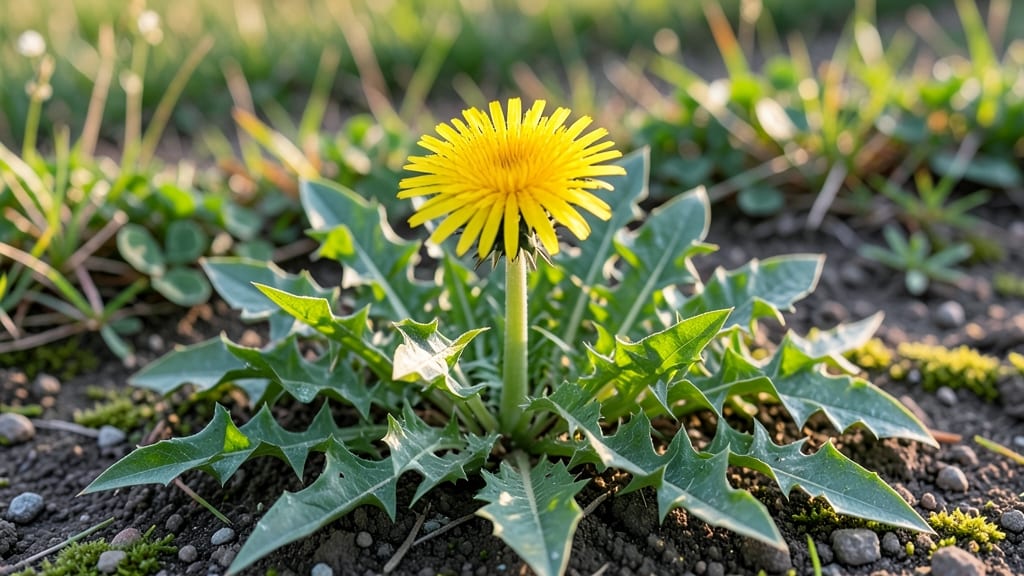
Those stubborn tiny yellow flower weeds in your lawn? 🌱 I’ve spent years battling them—and here’s how to crush them fast without wrecking your grass. Dandelions, chickweed, and clover all fit the bill, and they spread like wildfire if you ignore them.
The key is acting now, before they go to seed. Pull them by hand when the soil’s damp (less breakage), or smother them with thick mulch or cardboard. For stubborn patches, spot-treat with vinegar (50-50 mix) or a targeted herbicide—just avoid the grass!
You’ll see results in 2-3 weeks if you’re consistent. The lawn will thicken, outcompeting weeds naturally, and you’ll skip the annual frustration. Prevention? Overseed bare spots and mow high to block sunlight. Works for any lawn, from sunny yards to shady patches. Let’s get those yellow invaders gone for good.
Root Causes of Yellow-Blooming Lawn Invaders
If your lawn is suddenly dotted with tiny yellow flowers that seem to pop up overnight, don’t panic—there’s usually a logical explanation behind their appearance. Understanding these causes is the first step to reclaiming your grass.
Below, we break down the most common reasons why these weeds take hold, along with the science behind them.
Weeds like dandelions, chickweed, or creeping buttercup (common culprits with tiny yellow blooms) thrive in lawns where the soil is imbalanced. Here’s why:
- Low Nutrient Levels: Grass needs nitrogen, phosphorus, and potassium to grow thick and healthy. If your soil is deficient, weeds fill the gap because they’re opportunistic—they grow quickly in poor conditions. A simple soil test can reveal deficiencies, but even a quick visual check (pale grass, sparse growth) hints at the problem.
- Compacted Soil: Heavy foot traffic, machinery, or clay-heavy soil compresses the roots, reducing oxygen and water absorption. Weeds with shallow roots (like many yellow-flowering species) love compacted soil because it’s easier for them to push through.
- High pH (Alkaline Soil): Most lawn grasses prefer a slightly acidic pH (6.0–7.0). If your soil is alkaline (pH > 7.0), essential nutrients like iron and manganese become locked away. Weeds, however, often tolerate alkaline conditions better, giving them an edge.
💡 Pro Tip: Aerate your lawn in fall to relieve compaction, and apply a slow-release fertilizer with micronutrients to restore balance. If your soil is alkaline, a light application of sulfur (follow package rates) can lower the pH over time.
Watering habits play a huge role in weed proliferation. Yellow-flowering weeds often dominate lawns with inconsistent moisture because:
- Drought Stress Weakens Grass: Grass roots shallow out when soil dries quickly, leaving gaps for weeds to sprout. Many tiny yellow-flowering weeds (e.g., prostrate spurge) germinate in dry, patchy soil where grass struggles.
- Overwatering Creates Muddy Conditions: Soggy soil suffocates grass roots but fuels weed seeds. Weeds like chickweed thrive in moist, cool environments, often appearing after heavy rains or poor drainage.
- Uneven Watering Patterns: If some areas get more water than others (e.g., near sprinkler heads or low spots), those spots become weed magnets. Yellow-flowering weeds exploit these microclimates.
🎯 Action Step: Water deeply but infrequently—aim for 1–1.5 inches per week—and adjust sprinklers to deliver even coverage. Early morning watering (4–8 AM) minimizes evaporation and fungal issues.
Weeds don’t just compete with grass—they replace it when the turf is weak. Here’s how thin grass invites yellow blooms:
- Thatch Buildup: A thatch layer (dead grass, roots) thicker than ½ inch blocks water, air, and nutrients from reaching the soil. Weeds like dandelions send down deep taproots to bypass this barrier.
- Disease or Pest Damage: Fungal infections (e.g., brown patch) or grubs munching on roots create bare spots. Weeds rush to fill these gaps, often starting as tiny yellow flowers before spreading.
- Improper Mowing Height: Cutting grass too short (below 2–3 inches) stresses the plant, reducing its ability to outcompete weeds. Many yellow-flowering weeds thrive in short turf because they photosynthesize efficiently in low light.
✨ Prevention Tip: Overseed bare patches in fall, dethatch if the layer exceeds ½ inch, and mow at the highest recommended height for your grass type (e.g., 3–4 inches for Kentucky bluegrass).
Some yellow-flowering weeds are seasonal opportunists, timing their growth cycles to exploit lawn weaknesses:
| Weed Type | Peak Germination Time | Why It Happens |
|---|---|---|
| Dandelions | Early spring (March–April) or fall (September–October) | Cooler temps and moist soil trigger seed germination. They also produce seeds in summer that lie dormant until conditions are right. |
| Chickweed | Fall and winter (active growth at 40–70°F) | Prefers cool, damp conditions—often appears after summer heat stress weakens grass. |
| Creeping Buttercup | Spring and early summer | Spreads via underground runners; thrives when grass is dormant or recovering from winter. |
🔥 Strategic Move: Apply pre-emergent herbicides in early spring (for spring germinators) or late summer (for fall weeds). For organic control, hand-pull weeds before they flower to prevent seed spread.
By addressing these root causes—soil health, watering habits, grass density, and seasonal timing—you’ll starve out yellow-flowering weeds before they take over. The key? Consistency in lawn care pays off in a thicker, healthier turf that naturally crowds out invaders.
How to Fix It Naturally
Now that you know what’s causing those pesky tiny yellow flowers to pop up in your lawn, it’s time to tackle them—without resorting to harsh chemicals that could harm your grass.
Below, we’ve mapped out practical, step-by-step solutions tailored to the most common causes of these weeds, plus prevention tips to keep your lawn lush and weed-free.
---
Cause: Too much water creates the perfect breeding ground for weeds like chickweed or dandelions. Solution: 1. 💧 Adjust Your Watering Schedule - Water deeply 2-3 times per week (early morning is best) instead of daily light sprinkles. - Aim for 1 inch of water per week—use a rain gauge or tuna can to measure. 2. 🌱 Improve Soil Drainage - Test your soil’s drainage by digging a 6-inch hole, filling it with water, and timing how long it takes to drain. - If water sits for more than 6 hours, amend the soil with compost or sand to loosen it up. 3. 🌿 Aerate Your Lawn - Rent a core aerator or hire a pro to poke holes in compacted soil, helping water and air reach the roots.
💡 Pro Tip: If your lawn has low spots, consider grading to redirect water flow away from problem areas.
---
Cause: Heavy foot traffic, machinery, or clay soil smothers grass roots, inviting weeds. Solution: 1. 🔪 Aerate First (Spring or Fall) - Rent a core aerator (not just spike aerators—they don’t work as well) and go over the entire lawn. - For small lawns, a manual aerator (like a garden fork) works too. 2. 🌱 Overseed & Top-Dress - After aerating, spread high-quality grass seed (match it to your lawn type). - Top-dress with a thin layer of compost (¼ inch) to nourish roots and block weeds. 3. 💪 Strengthen Your Grass - Apply a slow-release fertilizer in early spring and fall to crowd out weeds naturally.
🌡️ Timing Matters: Aerate when soil is 60-70°F—too hot or cold, and you’ll stress the grass.
---
Cause: Weeds like clover or plantain thrive in alkaline or acidic soil that weakens grass. Solution: 1. 📊 Test Your Soil’s pH - Grab a DIY soil test kit (or send a sample to your local extension office). - Ideal pH for most lawns: 6.0–7.0. 2. ⚗️ Adjust with Lime or Sulfur - If pH is too low (acidic): Sprinkle pelletized lime (follow package rates) in fall. - If pH is too high (alkaline): Apply elemental sulfur in early spring. 3. 🌿 Re-test in 3 Months - Soil changes take time—recheck pH before making further adjustments.
✨ Bonus: If your soil is nutrient-poor, mix in composted manure or worm castings for a slow-release boost.
---
Cause: Bare patches let weeds take over—whether from disease, pests, or poor maintenance. Solution: 1. 🔍 Identify the Problem - Brown patches? Could be fungus (treat with fungicide if needed). - Dead spots? Check for grubs or chinch bugs (use beneficial nematodes or insecticide). 2. 🌱 Overseed Bare Areas - Rake out thin spots, then sprinkle grass seed and cover lightly with straw or peat moss. - Water gently twice daily until germination (about 10–14 days). 3. 💪 Fertilize for Recovery - Use a starter fertilizer (high in phosphorus) to help new grass establish.
🎯 Prevention Tip: Mow at 3–4 inches tall to shade out weeds and keep grass healthy.
---
If you prefer zero chemicals, try these: - 🌿 Hand-Pulling (Best for Small Patches) - Pull weeds early in the day when soil is moist (they come out easier). - Use a weeding tool with a fork to avoid damaging grass roots. - 🍳 Boiling Water or Vinegar (Spot Treatment) - Pour boiling water or a 1:1 vinegar-water mix directly on weeds (avoid grass). - Warning: This kills all plants—use carefully! - 🌱 Corn Gluten Meal (Pre-Emergent) - Spread corn gluten meal in early spring to prevent weed seeds from germinating. - Apply 20 lbs per 1,000 sq ft and water in.
⚠️ Caution: Avoid vinegar or salt on large areas—it can harm grass and nearby plants.
--- To keep your lawn weed-free without constant battles, follow this year-round plan: | Season | Task | Why It Works | |-------------|-----------------------------------|-------------------------------------------| | Spring | Aerate + Overseed | Strengthens grass before weed growth peaks.| | Summer | Mow High (3–4") + Water Deeply | Shades out weeds and encourages deep roots.| | Fall | Fertilize + Apply Corn Gluten | Boosts grass recovery and prevents seeds.| | Winter | Test Soil pH + Plan Amendments | Adjusts conditions before next growing season.|
--- Final Thought: The key to a weed-free lawn is consistency—healthy grass is the best weed barrier! Start with one or two fixes this season, and you’ll see a noticeable difference in just a few months. 🌱✨
Frequently asked questions
What are the most common tiny yellow-flowered weeds in lawns?
The top offenders include dandelions, chickweed, clover, and creeping buttercup. Dandelions have bright yellow blooms on leafless stems, while chickweed forms dense mats with star-shaped flowers. Clover has three leaflets and tiny yellow pom-pom flowers, and buttercup grows low with glossy leaves and delicate yellow blossoms.
Why do these weeds appear suddenly after rain?
Many tiny yellow-flowering weeds like chickweed and prostrate spurge germinate when soil moisture increases. Rain softens compacted soil, allowing dormant seeds to sprout quickly. The cool, damp conditions after rain also create ideal growing conditions for these fast-spreading weeds.
Is it safe to use vinegar to kill these weeds?
Yes, but with caution! A 1:1 vinegar-water mix works well for spot treatment, but avoid spraying grass as it can damage it. For larger areas, use a 20% acetic acid solution (available at garden centers) on sunny days when grass is dry. Reapply every 3-5 days until weeds die.
How can I prevent these weeds from coming back next year?
Focus on thick, healthy grass—mow high (3-4 inches), overseed bare spots in fall, and apply corn gluten meal in early spring as a natural pre-emergent. Aerate compacted soil annually and maintain proper watering (1 inch per week) to crowd out weeds naturally.
Will herbicides harm my lawn if I use them carefully?
Selective herbicides like 2,4-D or triclopyr target broadleaf weeds while sparing grass when applied correctly. Always follow label instructions, use a drop spreader for even coverage, and avoid windy days. For spot treatment, use a paintbrush applicator to protect surrounding grass.