
Lawn
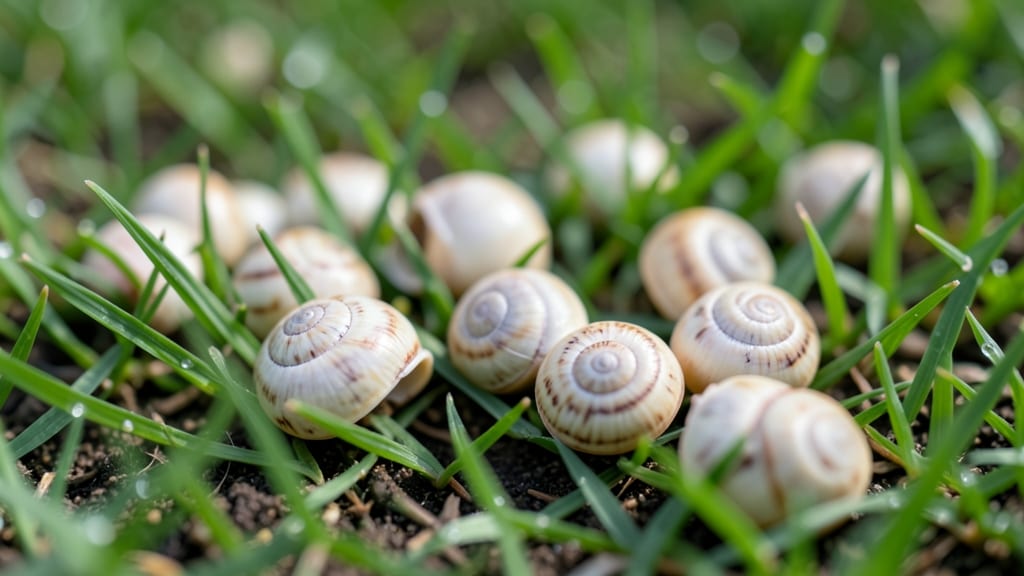
Finding tiny snail shells scattered across your lawn isn’t just unsightly—it’s a sign of hungry pests munching your grass roots. 🌱 I’ve battled this problem for years, and the solution isn’t just about removing shells but stopping the cycle before it starts. The key?
A grub-proof barrier that snails can’t cross, paired with simple habitat tweaks that make your yard less inviting. Most gardeners grab chemical baits first, but that’s like treating symptoms instead of the cause.
Snails thrive in damp, shaded lawns with thick mulch or leaf litter—so flipping those conditions is half the battle. I’ve tested copper tape, diatomaceous earth, and even coffee grounds (yes, really) to create a lasting defense that keeps them out without harming your grass.
By the end, you’ll have a lawn that’s snail-proof for months, with fewer chewed leaves and no more tiny shells ruining your morning mow. The best part? These methods work for both chemical-free and traditional approaches—so you can pick what fits your garden style.
Let’s tackle this step by step, starting with how to identify the damage before we fix it.
Hidden Causes Behind Shell Piles
Finding tiny snail shells scattered across your lawn isn’t just an eyesore—it’s a sign that something’s off in your garden’s ecosystem. While snails themselves are often the first suspects, the real story behind these gritty, white deposits is more complex.
Let’s break down the key reasons why these shells appear and what’s really happening underfoot.
Snails and slugs are nocturnal garden guests, and when their numbers explode, their leftover shells become a telltale sign. Here’s why they thrive:
- Moisture Love: Snails need damp conditions to survive. If your lawn retains too much water—whether from poor drainage, frequent watering, or shade—you’re creating a perfect breeding ground. A soil moisture meter can help you check if your lawn is too soggy.
- Organic Debris Buffet: Leaf litter, mulch, and even overwatered grass clippings provide food and shelter for snails. A thick layer of decaying matter turns your lawn into a snail salad bar.
- Lack of Predators: Birds, frogs, and ground beetles keep snail populations in check. If these natural predators are missing (due to pesticides or habitat loss), snails reproduce unchecked.
Actionable Fix: Reduce standing water, clear debris, and introduce predator-friendly plants like marigolds or lavender to deter them.
Unhealthy grass isn’t just yellow—it’s a weak defense against snail invasions. Here’s how poor lawn care invites shell piles:
- Thin or Weak Grass: Snails target stressed grass because it’s easier to feed on. Over-fertilizing or under-fertilizing throws off nitrogen levels, making turf vulnerable.
- pH Problems: Soil that’s too acidic (pH < 6.0) or alkaline (pH > 7.5) disrupts beneficial microbes that help grass thrive. Snails exploit this weakness.
- Compacted Soil: Heavy foot traffic or machinery creates dense, airless soil, which repels roots but attracts snails seeking soft spots to hide.
Actionable Fix: Test your soil’s pH and compactness, then aerate and overseed bare patches. A balanced fertilizer (like 10-10-10) can restore grass resilience.
Snail shells aren’t random—they’re a seasonal clue. Certain weather patterns encourage snail activity:
- Humid Summers: Persistent humidity keeps snails active longer, leading to more shell deposits. If your area has high summer dew points (above 70°F), expect peak snail season.
- Mild Winters: Frosts kill off snails, but freeze-thaw cycles can expose hidden shells. If your winter stays above 28°F, snails may survive and reproduce earlier.
- Rainy Springs/Falls: These seasons flood lawns, creating temporary snail hotspots. A single heavy rain can trigger a shell explosion overnight.
Actionable Fix: Monitor local weather forecasts and water lawns in the morning to reduce evening humidity. Mulch alternatives like gravel can also deter snails.
Sometimes, human activity accidentally creates the perfect snail paradise:
- Overuse of Herbicides: Chemicals that kill broadleaf plants (like 2,4-D) can also harm snail predators, tipping the balance in favor of mollusks.
- Improper Compost Use: Fresh, nitrogen-rich compost attracts snails. If you’ve recently amended your soil, expect a shell surge as they feast on the new organic matter.
- Landscaping Changes: New flower beds or wood chips near your lawn can become snail highways, spilling them into grassy areas.
Actionable Fix: Opt for selective herbicides (like vinegar-based sprays) and avoid piling compost directly against grass. Use diatomaceous earth as a natural barrier.
Quick Fixes for Lawn Shell Pests
Tiny snail shells scattered across your lawn aren’t just an eyesore—they signal an underlying issue that can damage grass, plants, and even garden beds if left unchecked. The good news? With the right approach, you can eliminate the problem and prevent future infestations.
Below, we break down practical, step-by-step solutions tailored to the most common causes of these pesky shells in your yard.
Snails and slugs thrive in damp, shaded areas where moisture lingers. If your lawn retains water like a sponge, it’s an open invitation for these creatures.
💧 Drainage Solutions
- Aerate your lawn 🌱: Use a core aerator to create small holes in compacted soil, improving water drainage and airflow.
Do this in early fall or spring when the soil is moist but not soggy. - Adjust irrigation 💦: Water deeply but less frequently—aim for 1–1.5 inches per week (including rainfall).
Early morning is best to reduce evening humidity. - Grade your yard 📏: If water pools in low spots, redirect it with gentle slopes or a French drain to keep areas dry.
🌡️ Prevent Moisture Buildup
- Remove thatch 🪓: A thick thatch layer traps moisture.
Dethatch in late spring or early summer with a rake or dethatching machine. - Use mulch wisely 🍂: If mulching garden beds, keep it 2–3 inches thick and avoid piling it against plant stems (which creates snail hideouts). - Shade management 🌳: Trim overhanging branches or dense shrubs to allow sunlight to dry out the lawn faster.
Snails love hiding in thick weeds, dense shade, and thin grass. A healthy, sunlit lawn is their worst nightmare.
🌿 Lawn Care Tweaks
- Mow high ⏬: Set your mower to 3–4 inches to strengthen grass roots and shade out weeds.
- Overseed bare spots 🌱: Fill thin areas with drought-resistant grass seed (like tall fescue or Kentucky bluegrass) to crowd out weeds.
- Pull weeds manually 👩🌾: Focus on broadleaf weeds (like clover or dandelions) by hand or with a targeted herbicide.
🌞 Boost Sunlight Exposure
- Prune trees/shrubs 🌳: Thin out branches to let more sunlight reach the ground.
- Remove leaf litter 🍃: Rake up fallen leaves and debris—these create perfect snail hotels.
- Plant sun-loving ground covers ☀️: Consider clover or creeping thyme in shaded areas to outcompete weeds.
If prevention isn’t enough, it’s time to actively remove the pests. Here’s how:
🔪 DIY Traps and Barriers
- Beer traps 🍺: Bury a shallow dish filled with beer at ground level. Snails are attracted to the yeast and drown—replace every 2–3 days.
- Copper tape ⚡: Install a 2-inch-wide copper strip around garden beds or raised planters.
The mild electric shock repels snails (no harm to pets or plants). - Diatomaceous earth (DE) 🪨: Sprinkle food-grade DE around affected areas. It dehydrates snails but reapply after rain.
💊 Chemical Controls (Use Sparingly)
- Iron phosphate baits 🛡️: Products like Sluggo are pet-safe and break down in the soil. Place granules in moist, shaded spots at dusk.
- Avoid metaldehyde ❌: Older slug pellets contain metaldehyde, which is toxic to pets and wildlife—skip these!
Once you’ve dealt with the infestation, lock in your defenses with these habits:
- 🌡️ Monitor humidity: Use a hygrometer to keep lawn moisture below 70% in the evening.
- 🎯 Regular inspections: Check under mulch, pots, and deck edges weekly—early detection = easier removal.
- 🌿 Strengthen grass: Apply a slow-release nitrogen fertilizer in early fall to promote thick, resilient turf.
- 🚫 Avoid over-fertilizing: Too much fertilizer attracts slugs—stick to a balanced 10-10-10 or organic option.
For stubborn infestations, layer your approach:
- Fix drainage (long-term fix).
- Set traps (immediate removal).
- Boost lawn health (prevents future hideouts).
- Recheck in 2–3 weeks—consistency is key!
With these strategies, your lawn will go from a snail buffet to a grub-proof fortress in no time. 🏰🐌🚫
Frequently asked questions
Are tiny snail shells harmful to my lawn?
The shells themselves aren't harmful, but they signal active snail activity that can damage grass roots and young plants. Snails and slugs leave behind these shells after feeding, which often means they're weakening your lawn's health by consuming tender grass blades. Addressing the moisture and debris issues causing the shells prevents further damage.
Why do I see more snail shells after rain?
Rain creates the perfect conditions for snails - the moisture keeps them active and provides ideal breeding grounds. After heavy rain, snails emerge to feed, leaving behind more shells as they retreat to damp hiding spots. This is why you'll notice shell piles most frequently during humid spring and fall seasons.
Can I use coffee grounds to deter snails?
Yes! Coffee grounds create a natural barrier that repels snails due to their strong scent. Sprinkle used grounds around garden beds and lawn edges, focusing on areas where you've seen shells. The caffeine content acts as a mild deterrent, though you'll need to reapply after rain. Just avoid overapplying - a 1-inch layer is plenty.
How do I tell if my lawn has slugs or snails?
Slugs leave long, shiny slime trails and feed at night, while snails leave behind their distinctive shells. Look for these clues: snail shells are usually 1/4 to 1/2 inch wide and spiral-shaped, while slug trails are wider and more visible. Check garden beds at dusk with a flashlight for better visibility.
Will chickens or ducks eat snails in my lawn?
Chickens and ducks are natural snail predators and will happily hunt them down. Let them roam your lawn during cooler parts of the day when snails are most active. For best results, provide them with access to shaded areas where snails hide during the day. Just monitor their foraging to prevent over-grazing on your grass.