
Pests and Diseases
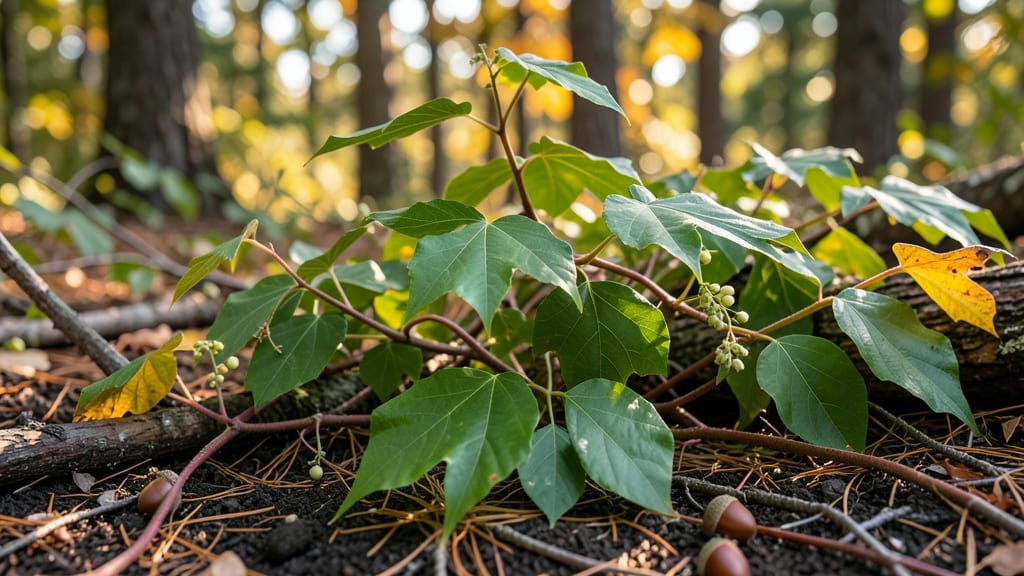
That itchy, invasive vine—the poison ivy growing in your lawn—isn’t just unsightly; it’s a persistent nuisance that can take over if left unchecked. ✨ I’ve battled this stubborn plant in my own yard, and the secret isn’t brute force but targeted chemistry that works on contact.
The key is choosing a herbicide with the right active ingredients to kill the roots without harming your grass.
Poison ivy thrives in shady, moist areas where lawns struggle, so it often sneaks in where regular mowing misses. Most sprays require multiple applications, but the one-and-done solutions contain concentrated glyphosate or triclopyr that penetrate deep.
Just be patient—visible results take 2-4 weeks, but the roots die completely. Safety gear is a must: long sleeves, gloves, and eye protection to avoid accidental contact.
What you'll end up with is a vine-free lawn where grass reclaims its space. The spray breaks down quickly, so pets and kids can safely return once the area is dry.
For long-term prevention, improve drainage, mow regularly, and consider shade-tolerant ground covers to outcompete future invaders. This isn't just about killing what's there—it's about stopping what's coming.
Between you and me, the hardest part isn't the spraying—it's the cleanup. Bag all dead vines immediately (don't burn them!) and dispose of them in sealed trash bags.
I learned that the hard way after finding new shoots sprouting from composted clippings. A little extra care now means no itchy surprises later.
Root Causes of Lawn Invaders
Poison ivy thrives in lawns not by accident—it’s the result of specific environmental and human factors creating the perfect conditions. Understanding these root causes is key to preventing future outbreaks and ensuring your yard stays free of this pesky plant.
Let’s break down why poison ivy takes over lawns in the first place.
Poison ivy loves to colonize areas where soil has been disrupted, whether by construction, foot traffic, or heavy machinery. When soil becomes compacted or uneven, it creates gaps that allow poison ivy roots to establish themselves quickly.
- Why it happens: Compacted soil reduces water drainage, creating moist, shaded microclimates—ideal for poison ivy’s growth.
- Actionable insight: Aerate your lawn annually to improve soil structure and reduce compaction. Top-dressing with organic matter (like compost) also helps restore balance.
While poison ivy can tolerate some sunlight, it prefers shaded or partially shaded areas where grass struggles to grow. Overgrown trees, dense shrubs, or even tall grass can create the perfect hiding spot for this invasive vine.
- Why it happens: Shade-loving plants like poison ivy outcompete sun-dependent grasses, filling in bare patches before you notice.
- Actionable insight: Thin out overgrown vegetation to let sunlight reach the soil. If shade is unavoidable, opt for shade-tolerant grasses like fine fescue or creeping red fescue.
Poison ivy thrives in damp conditions, making low-lying areas, poorly drained soils, or even overwatered lawns prime real estate for its spread. If water pools after rain or irrigation, you’ve got a red flag.
- Why it happens: Stagnant water creates anaerobic (low-oxygen) soil conditions, which grass roots dislike but poison ivy tolerates.
- Actionable insight: Test your soil’s drainage and amend with sand or organic matter if needed. Avoid overwatering—stick to deep, infrequent watering to encourage strong grass roots.
A weak or patchy lawn leaves gaps that poison ivy exploits. If your grass isn’t dense enough—due to poor mowing habits, lack of fertilization, or disease—it’s easy for weeds and vines to move in.
- Why it happens: Grass needs competition to thrive. When it’s sparse, poison ivy’s vines spread unchecked, smothering what little grass remains.
- Actionable insight: Mow regularly (but not too short—keep grass at 3–4 inches) and fertilize seasonally. Overseed bare spots to restore density.
Poison ivy spreads via seeds and root fragments. If your lawn borders wooded areas, fences, or overgrown hedges, it’s only a matter of time before it invades.
- Why it happens: Birds, animals, and even wind carry poison ivy seeds, while roots can creep underground and pop up elsewhere.
- Actionable insight: Create a 3-foot "buffer zone" around your lawn by removing wild vegetation. Use mulch or gravel to block root spread from neighboring areas.
Poison ivy often flourishes in soils with imbalanced pH or nutrient deficiencies. If your lawn lacks nitrogen, phosphorus, or has a pH outside the 6.0–7.0 range, grass struggles while poison ivy thrives.
- Why it happens: Acidic or alkaline soil can weaken grass roots, making them vulnerable to invasion.
- Actionable insight: Test your soil’s pH and amend with lime (to raise pH) or sulfur (to lower it). Use a slow-release fertilizer to keep grass healthy and competitive.
By addressing these underlying issues, you’re not just treating the poison ivy—you’re making your lawn less hospitable to it in the first place. The key is proactive maintenance to outcompete this persistent pest naturally.
Quick Fixes for Stubborn Lawn Invaders
If poison ivy—or its sneaky cousins like sumac or oak—has taken root in your lawn, don’t panic! The key to eradicating it lies in identifying the cause and applying the right solution.
Below, we’ve broken down the most common reasons these pesky plants invade your yard and the practical, step-by-step fixes to banish them for good. Plus, we’ll share prevention tips to keep your lawn looking lush and ivy-free.
Poison ivy thrives where grass struggles—think dense, compacted soil or shady spots where sunlight barely reaches. If your lawn has bare patches or thin grass, these become prime real estate for invasive vines.
🔥 Fix It: Improve Soil & Outcompete the Ivy
- Aerate the Lawn 🌱 Rent a core aerator (or use a manual spike aerator) to punch holes in compacted soil.
This lets air, water, and nutrients reach the roots, giving grass a fighting chance. - Pro Tip: Do this in early fall when grass is actively growing but weeds are dormant.
- Overseed with Shade-Tolerant Grass 🌾 If your lawn is mostly in the shade, plant fine fescue, creeping red fescue, or St. Augustine grass—they tolerate low light better than Kentucky bluegrass.
- Pro Tip: Use a starter fertilizer to help seeds germinate faster.
- Apply a Pre-Emergent Herbicide (Optional) 🛡️ If poison ivy seeds are a recurring issue, spread a pre-emergent herbicide (like pendimethalin) in early spring to prevent new sprouts.
- Warning: Pre-emergents won’t kill existing ivy—use them only as a preventive measure.
When grass is tall, thin, or patchy, poison ivy slips in unnoticed. A lack of regular mowing or weeding gives it the upper hand.
👨🍳 Fix It: Restore Lawn Health & Smother the Ivy
- Mow High & Frequently ✂️ Keep grass at 3–4 inches tall—taller grass shades out weeds (including ivy) and crowds them out.
- Pro Tip: Mow weekly during growing season to prevent ivy from spreading.
- Hand-Pull or Dig Out Small Patches 🪴 For young or small ivy plants, wear gloves and long sleeves, then:
- Pull from the root (use a weeding tool for stubborn ones).
- Soak the area with vinegar (20% acetic acid) or a glyphosate-based spray to kill remaining roots.
- Warning: Do not compost pulled ivy—it can regrow!
- Apply a Targeted Vine Killer 💀 For larger patches, use a selective herbicide like:
- Triclopyr (Ortho Poison Ivy & Tough Brush Killer) – Works in one application for vines.
- Glyphosate (Roundup) – Kills everything (grass too), so use only on bare spots.
- Pro Tip: Spray on a dry, windless day for best results.
Poison ivy loves wet, soggy soil—common in low-lying areas or after heavy rains. If your lawn has poor drainage, ivy will spread like wildfire.
🌡️ Fix It: Dry Out the Soil & Improve Drainage
- Test & Amend Soil Drainage 📊
- Dig a 6-inch hole, fill it with water, and time how long it takes to drain.
- If it takes longer than 6 hours, your soil is too compacted.
- Fix: Mix in compost or sand to improve drainage.
- Install French Drains or Swales 🚧 For chronically wet areas, create a shallow trench (swale) to redirect water away from the lawn.
- DIY Tip: Use a perforated pipe with gravel for a simple French drain.
- Use a Moisture-Loving Grass Alternative 💦 If your lawn stays damp, switch to wet-tolerant grasses like:
- Bermuda grass (if in a warm climate)
- Wheatgrass or ryegrass (temporary cover crops)
Once you’ve banished poison ivy, stop it from returning with these long-term strategies:
✅ Mulch Bare Spots – Use 3–4 inches of wood chips or gravel to block sunlight and prevent regrowth. ✅ Edge Your Lawn Regularly – Keep grass tight against sidewalks and driveways to limit ivy’s entry points. ✅ Monitor & Treat Early – Check for new sprouts in spring and pull them immediately. ✅ Encourage Natural Predators – Goats or sheep (if you have space) will happily munch ivy before it spreads. ✅ Seal Off Problem Areas – Install landscape fabric under mulch in high-risk zones (like near fences).
Final Reminder: 🚨 Always wear protective gear (gloves, long sleeves, goggles) when handling poison ivy—you don’t want to become the next victim! With the right approach, your lawn can go from ivy-infested nightmare to green, healthy paradise in no time.
Frequently asked questions
How do I know if the green vines in my lawn are really poison ivy?
Look for the classic "leaves of three, let it be" rule—poison ivy has clusters of three glossy, pointed leaves with smooth edges. The vines can be hairy or smooth, and they often grow in patches where grass is thin. Rubbing the leaves releases an oily resin that causes itchy rashes in most people. If you're unsure, snap a photo and compare it to trusted plant databases like the USDA Plants database.
Can I just mow over poison ivy to kill it?
No, mowing alone won't eliminate it—it encourages spread by breaking vines into root fragments that can grow into new plants. Instead, use a string trimmer with a bagger to remove visible growth, then treat the roots with a targeted herbicide like triclopyr. Always wear protective gear when handling the clippings to avoid skin contact.
What's the safest way to dispose of poison ivy after removal?
Never burn it (the smoke contains urushiol, the irritating oil) or compost it—wrap vines in heavy-duty plastic bags and seal them tightly. Place the bags directly in your outdoor trash bin (not recycling) and wash your tools with soapy water afterward. Double-bag anything that touched the ivy to prevent accidental contact.
Will vinegar kill poison ivy, and if so, what kind should I use?
Yes, but only 20-30% acetic acid vinegar works effectively. Spray it directly on leaves and stems (avoid grass) on a sunny day—it needs sunlight to break down the plant's waxy coating. Reapply every 2-3 days for 2 weeks to kill roots. Regular grocery store vinegar (5%) won't work—it's too weak to penetrate the plant's defenses.
How long does it take to see results after applying herbicide?
Visible wilting usually appears within 3-7 days, but complete root death takes 2-4 weeks. For best results, apply herbicide in late spring or early fall when plants are actively growing. Monitor treated areas—new shoots may appear if roots weren't fully penetrated, requiring a second application.