
Lawn
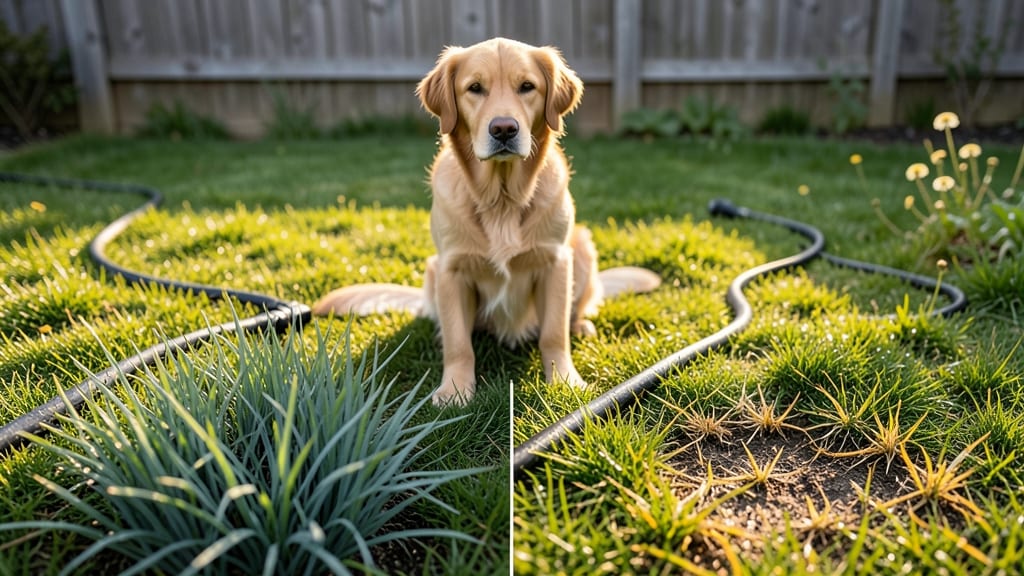
That yellow ring on your lawn isn't just unsightly—it's a sign your grass is struggling from pee spots. 🌱 I've seen firsthand how quickly those patches can spread if left untreated, but the fix is simpler than you think.
The problem starts with the acidity and salts in urine, whether it's from pets or fertilizer runoff. Over time, this weakens grass roots and creates those telltale brown circles. The good news? You can reverse the damage with basic lawn care adjustments and a few household ingredients.
By diluting vinegar or applying baking soda, you neutralize the acidity while giving your grass a chance to recover. Within a few weeks, you'll see new green growth filling in those spots—no expensive treatments required. This method works for both small patches and larger affected areas.
The key is consistency: treat the spots, water properly, and adjust your lawn care routine to prevent future damage.
The Hidden Culprits Behind Lawn Stains
Ever glanced at your lawn and noticed those unsightly yellowish-brown rings—like nature’s version of a mysterious crime scene? 🕵️♂️ The truth is, those spots aren’t just random bad luck.
They’re a direct result of chemical imbalances caused by concentrated urine, and understanding the science behind them is the first step to eradicating them for good. Let’s break down the key reasons your lawn is getting "marked up" and why these spots refuse to disappear on their own.
When pets (or humans!) relieve themselves on grass, their urine contains urea, a compound broken down by bacteria in the soil. Normally, this process releases nitrogen—a nutrient plants love.
But here’s the catch: fresh urine is highly concentrated with urea, which initially raises the soil’s pH and creates a toxic environment for grass blades.
- Ammonia buildup: Urea converts to ammonia (NH₃), a corrosive chemical that burns grass cells on contact. This causes the blades to brown and crisp almost instantly.
- pH spike: Urine can raise soil pH to 8.0 or higher (alkaline), while most grasses thrive in a neutral to slightly acidic range (6.0–7.0). High pH locks out essential nutrients like iron and manganese, leaving patches starved and discolored.
- Salt damage: Urine also contains sodium and potassium chlorides, which act like tiny salt crystals. Over time, they dry out grass roots, making the area more susceptible to drought and foot traffic.
💡 Pro Tip: If you’ve ever noticed the spots darken within minutes of urination, that’s the ammonia at work—it’s a clear sign the grass is under chemical attack.
Not all lawns are created equal—and neither are their reactions to urine. Some grasses are naturally more resilient to pee spots, while others surrender quickly. Here’s why:
| Grass Type | Why It’s Vulnerable | Urine Tolerance Level |
|---|---|---|
| Kentucky Bluegrass | Thin blades and shallow roots make it highly sensitive to ammonia burns. Often recovers slowly or not at all. | ⭐ (Low) |
| Fescue | More drought-tolerant but still suffers from nutrient lockout in alkaline conditions. | ⭐⭐ (Moderate) |
| Bermuda Grass | Thick, fast-growing roots help it recover faster than cool-season grasses. | ⭐⭐⭐ (High) |
| Zoysia | Dense growth dilutes urine impact, but overwatering can worsen ammonia damage. | ⭐⭐⭐ (High) |
✨ Key Insight: If your lawn is mostly Kentucky Bluegrass or Fescue, you’re in the high-risk zone. Switching to a Bermuda or Zoysia blend could make future cleanup efforts far easier.
Water plays a double-edged role in pee spot dynamics. Too little, and the ammonia lingers; too much, and you dilute nutrients but also wash away protective soil microbes. Here’s how to spot the imbalance:
- Underwatering: When soil stays dry, urea crystallizes into urea salts, which permanently discolor grass. The spots may look white or crusty over time.
- Overwatering: Excess water leaches nitrogen from the soil, starving the grass of its primary food source—even as urine adds more. This creates a nutrient seesaw that leaves patches weak.
- Timing matters: Watering immediately after urination can dilute ammonia, but doing it too soon (within 30 minutes) can push toxins deeper into the root zone, causing long-term damage.
🔥 Hot Tip: The golden window for watering after a pee incident is 1–2 hours later. This gives bacteria just enough time to start breaking down urea without overwhelming the grass.
If your lawn feels spongy underfoot or puddles after rain, you might have compacted soil—a silent accomplice in pee spot persistence. Here’s how it happens:
- Reduced oxygen: Compacted soil smothers roots, making them weaker and more susceptible to urine burns. Without proper airflow, grass can’t recover even if the ammonia clears.
- Poor drainage: Water and urine pool in low spots, creating permanent alkaline zones where grass struggles to grow back.
- Microbe starvation: The bacteria that break down urea thrive in aerated, loose soil. Compacted soil chokes them, leaving urine to fester.
🎯 Actionable Fix: Aerate your lawn twice a year (spring and fall) to loosen soil and improve drainage. A simple core aerator rental from a hardware store can work wonders.
Now that you know the science behind the stains, the next step is attacking the problem at its source.
Stay tuned for our deep dive into vinegar and baking soda remedies—the dynamic duo that can reverse these chemical imbalances and restore your lawn to its former glory. 🚀
Fixing Yellow Lawn Stains Fast
Now that you know the root causes behind those stubborn pee spots on lawn—whether from pets, kids, or wildlife—it’s time to take action! The good news? Most stains can be reversed with simple, budget-friendly solutions.
Below, we’ve mapped out targeted fixes based on the most common culprits, plus prevention tips to keep your lawn lush and spot-free.
---
Dog or cat urine is highly acidic, which is why grass turns brown or yellow in seconds. The fix? Balance the pH and restore moisture.
#### 👨🍳 Step 1: Flush with Water - Why? Dilutes the urine and washes away excess nitrogen. - How? Use a garden hose to gently soak the affected area for 10–15 seconds. Avoid heavy pressure, which can damage roots.
#### 🥘 Step 2: Apply a Vinegar & Baking Soda Mix - Why? Vinegar neutralizes acidity, while baking soda balances pH. - How? 1. Mix 1 part white vinegar + 1 part water in a spray bottle.
2. Spray the area until damp. 3. Sprinkle baking soda lightly over the spot. 4. Let sit for 5–10 minutes, then rinse with water.
#### ⏰ Step 3: Fertilize & Overseed (If Needed) - Why? Urine can weaken grass over time, making it prone to weeds. - How? - Fertilize with a slow-release, nitrogen-rich formula (like a 24-0-6). - Overseed with drought-resistant grass (e.g., Kentucky bluegrass or fescue) if the spot is large or recurring.
💡 Pro Tip: Train pets to pee in a designated "potty patch" (like a gravel area) to minimize future damage.
---
Accidental pee spots from kids or critters (like deer or rabbits) often just need hydration and a little TLC.
#### 💦 Step 1: Deep Watering - Why? Urine dehydrates grass blades, causing them to crisp. - How? Water the spot twice daily for 3–4 days until the yellowing fades.
#### 🌱 Step 2: Spot-Treat with Lawn Food - Why? Replenishes nutrients lost from urine. - How? - Use a quick-release fertilizer (like 30-0-4) or a liquid grass supplement. - Follow package instructions for application rates.
#### 🔪 Step 3: Dethatch if Needed - Why? Compacted soil can prevent recovery. - How? Lightly rake the area with a lawn dethatcher or stiff brush to aerate roots.
🎯 Prevention Tip: Install a motion-activated sprinkler in problem areas to deter wildlife or remind kids to aim elsewhere!
---
If pee spots coincide with hot, dry weather, the grass may already be struggling. Here’s how to bring it back to life.
#### 💧 Step 1: Hydrate Properly - Why? Overwatering can drown roots, but underwatering makes urine damage worse. - How? - Water early morning (6–9 AM) for 15–20 minutes per session. - Aim for 1–1.5 inches of water per week (including rainfall).
#### 🌱 Step 2: Apply a Soil Conditioner - Why? Improves moisture retention and root health. - How? Mix compost or coconut coir into the soil around the spot, then top with a thin layer of mulch.
#### ✨ Step 3: Use a Grass Revitalizer - Why? Boosts chlorophyll production for faster recovery. - How? Spray with a liquid iron supplement (like Ironite) or a seaweed-based fertilizer.
💡 Pro Tip: Mow high (3–4 inches) during droughts—taller grass shades roots and retains moisture better.
---
The best fix? Stop stains before they start! Try these low-effort habits:
| Cause | Prevention Hack | Tools/Products | |---------------------|---------------------------------------------|----------------------------------| | Pet urine | Train pets with enzymatic cleaners (like Nature’s Miracle) | Pet training pads, gravel patches | | Kid accidents | Use artificial turf in high-traffic areas | Play mats, designated play zones | | Wildlife | Install motion-activated lights/sprinklers | Solar-powered deterrents | | Drought stress | Mulch heavily and water deeply | Compost, drip irrigation systems |
--- Final Thought: Most pee spots disappear within a week with the right care—but consistency is key! If a spot persists after 2–3 weeks, consider replacing that patch with fresh sod or seeds. 🌱
(Need a deeper dive? Check out our [DIY Lawn Repair Guide] for step-by-step patching instructions!)
Frequently asked questions about lawn stains
Why do some lawn stains turn white instead of brown?
White or crusty spots usually mean the urine crystallized in dry conditions, leaving behind urea salts. These salts create a permanent discoloration that water alone won't fix. Try mixing 1 part hydrogen peroxide (3%) + 2 parts water to dissolve the crystals before treating with vinegar and baking soda.
Can I use coffee grounds to fix pee spots?
Yes! Coffee grounds are acidic and help lower pH in alkaline spots. Mix ½ cup grounds with 1 gallon of water, let steep for 24 hours, then strain and apply to the affected area. Rinse after 30 minutes to avoid over-acidifying the soil.
How often should I treat recurring pee spots?
For active spots, treat every 2–3 days with the vinegar/baking soda method until the grass regrows (1–2 weeks). After recovery, apply a slow-release fertilizer monthly to prevent future damage. If spots keep returning, consider overseeding with drought-resistant grass like Bermuda.
Will grass grow back in permanently damaged spots?
If the soil is severely compacted or nutrient-depleted, new grass may struggle. For stubborn spots, remove the dead grass, loosen the soil with a rake, then plant new seed or sod. Water twice daily for 10 days to encourage root growth.
Are there commercial products better than vinegar?
Yes! Look for urine-neutralizing enzymes (like Nature’s Miracle) or lactic acid-based cleaners designed for lawns. These break down urea faster than vinegar. For pet owners, enzymatic cleaners also eliminate odors while treating the spot.