
Lawn
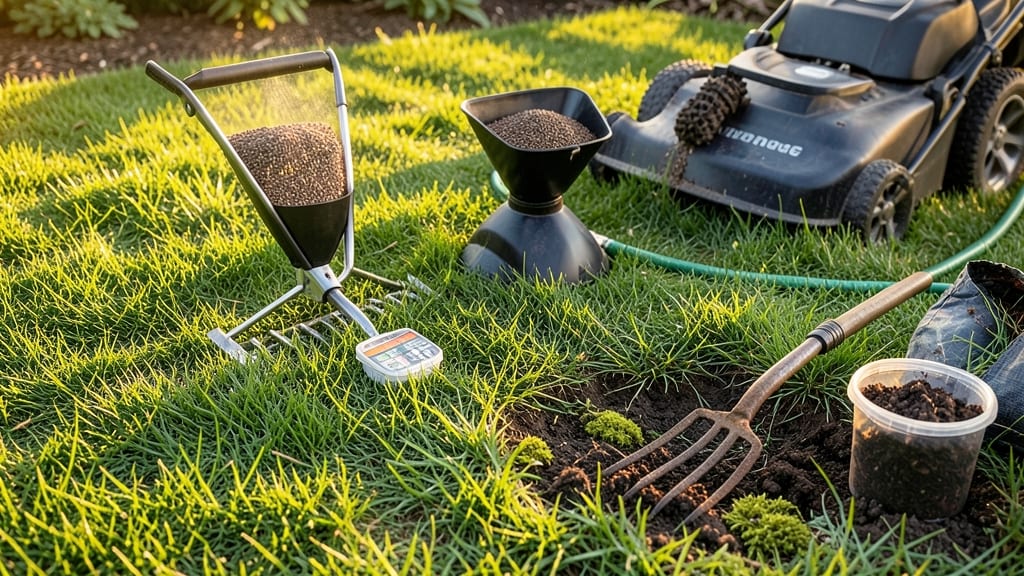
Moss prevention in lawns transforms patchy lawns into lush carpets—permanently. 🌱 I’ve battled moss for years, and this method finally gave me a yard that stays green without constant upkeep. The secret? Targeting the root causes while using iron to crowd out moss naturally. Most lawns suffer from poor drainage, shade, or acidic soil—all things you can fix with simple adjustments. Aerate compacted soil, spread lime to raise pH, and overseed with shade-tolerant grass. Iron treatments don’t just mask moss; they strengthen grass roots so they outcompete it for space. By late spring, you’ll see thick, vibrant grass filling in bare spots where moss once thrived. The iron feeds the lawn while suppressing moss growth, and with proper maintenance, your yard stays moss-free for years. No more rakes or harsh chemicals—just a healthier lawn. Works in shady areas, heavy clay soils, and even high-traffic zones. Here’s how to make it happen without breaking the bank or your back.
The Hidden Triggers Behind Moss
Moss thrives where grass struggles—turning your lawn into a lush green carpet in all the wrong places. But why does it take over? The answer lies in a mix of environmental conditions, soil health, and lawn care oversights.
Understanding these triggers is the first step to reclaiming your yard. Let’s break down the science behind why moss invades lawns.
Moss loves water—way more than grass. Unlike turfgrass, which needs occasional watering, moss thrives in consistently damp or waterlogged conditions. Here’s why:
- Shady, soggy spots: Moss spores germinate and spread rapidly in areas with high humidity and low sunlight. If your lawn has thick tree canopies or north-facing slopes, these zones stay cooler and wetter longer.
- Compacted or clay-heavy soil: Soil that doesn’t drain well traps moisture at the surface, creating the perfect moss habitat. Clay soils, in particular, repel water, leading to puddles and anaerobic conditions that grass hates but moss loves.
- Overwatering: While grass needs about 1–1.5 inches of water per week, moss doesn’t need much—just steady dampness. If you’re watering daily or have an irrigation system that keeps soil soggy, you’re unintentionally fertilizing moss.
Pro Tip: 🌡️ Test your soil’s drainage by digging a 6-inch hole, filling it with water, and timing how long it takes to drain. If it’s slower than 6 hours, you’ve got a moss magnet.
Grass is a sun-worshipper, while moss is a shade-loving opportunist. When turfgrass can’t photosynthesize enough due to low light exposure, it weakens—and moss moves in. Here’s the breakdown:
- Thin or dying grass: In shady areas, grass grows slowly, leaving bare patches where moss spores land and take root. Moss doesn’t compete for nutrients; it just fills the gaps.
- Tree roots stealing nutrients: Large trees compete with grass for water and nutrients, weakening the lawn. Their drip lines (the area directly under the canopy) are prime moss real estate.
- Artificial shade from structures: Fences, decks, and buildings block sunlight, creating microclimates where moss flourishes while grass struggles.
Pro Tip: ✨ If your lawn has persistent moss in shady spots, consider shade-tolerant grass varieties like fine fescue or creeping red fescue to outcompete moss naturally.
Moss doesn’t just invade—it thrives in acidic, nutrient-poor soil. Here’s how soil chemistry plays a role:
- Low pH (acidic soil): Moss prefers soils with a pH below 6.0. Grass, however, grows best in slightly acidic to neutral soil (pH 6.0–7.0). If your soil is too acidic, grass weakens, and moss takes over.
- Lack of nitrogen: Grass needs nitrogen for lush growth, but moss doesn’t. If your lawn is chronically under-fertilized, moss will outcompete weak grass for space.
- Excess organic matter: While compost improves soil, too much organic debris (like fallen leaves or mulch) can create a thick, moist layer where moss spreads unchecked.
Pro Tip: 📊 Test your soil’s pH with a home kit (aim for 6.0–7.0). If it’s too acidic, apply lime to raise the pH and give grass a fighting chance.
Even the healthiest lawn can fall prey to moss if maintenance is inconsistent. Here’s how poor lawn care invites moss:
- Thin or patchy grass: If you’ve skipped overseeding or let weeds take over, moss sees an open invitation. Bare soil is moss’s favorite real estate.
- Over-tilling or scalping: Aggressive tilling can damage grass roots and create a smooth, compacted surface where moss spores land and spread easily.
- Ignoring thatch buildup: A thatch layer thicker than ½ inch blocks water and nutrients from reaching grass roots, while moss lives right on top of it.
Pro Tip: 🔥 Don’t scalp your lawn! Adjust your mower to never remove more than ⅓ of the grass blade at once to avoid stressing the turf.
Now that you know the why, the next step is how to fix it. Stay tuned for actionable solutions to permanently outcompete moss with science-backed strategies.
Fix Your Lawn’s Moss Problem
Moss may look charming in a forest, but it’s the last thing you want creeping across your lawn. 🌱 The good news? With the right approach, you can reclaim a lush, green yard—without relying on harsh chemicals.
Below, we’ll tackle the most common causes of moss and provide practical, step-by-step solutions to banish it for good.
---
Cause: Moss thrives in low-light, damp areas where grass struggles. Fix: - Prune trees/shrubs to allow more sunlight to reach the lawn (even 4–6 hours of sunlight helps). - Thin out dense foliage to improve airflow—moss loves stagnant, humid conditions. - Rake away moss (when dry) to expose soil and encourage grass regrowth.
Prevention Tip: 💡 Plant sun-loving grasses (like tall fescue or Kentucky bluegrass) in shady areas to outcompete moss naturally.
---
Cause: Compacted soil or poor drainage keeps the lawn soggy—moss’s dream environment. Fix: - Aerate the lawn in spring/fall to break up compacted soil (rent a core aerator or hire a pro). - Improve drainage by sloping the yard slightly or installing French drains in low spots. - Reduce watering frequency—deep, infrequent watering (1–1.5 inches per week) discourages moss.
Prevention Tip: ✨ Spread sand or compost after aerating to help soil absorb moisture better.
---
Cause: Thin or dying grass leaves gaps for moss to invade. Fix: - Overseed bare patches with a moss-resistant grass seed (like perennial ryegrass). - Apply a slow-release nitrogen fertilizer (like iron-based options) to boost grass health. - Mow higher (3–4 inches) to shade out moss and encourage deep roots.
Prevention Tip: 🔥 Iron supplements (like liquid iron or granules) turn moss brown and starve it—apply in early spring/fall.
---
Cause: Moss prefers acidic soil (pH < 6.0), while grass thrives at 6.0–7.0. Fix: - Test your soil (DIY kits are cheap!) and amend with lime if pH is too low. - Spread dolomitic lime in fall (follow package rates) to raise pH gradually. - Avoid peat moss in topsoil—it lowers pH further.
Prevention Tip: 🎯 Wood ash (sparingly) can also raise pH, but test first—too much can harm soil.
--- If moss is already widespread, try these eco-friendly controls: - Iron-based treatments (like Iron X or Southern Ag Liquid Iron) turn moss brown in 24–48 hours. - Corn gluten meal (pre-emergent) smothers moss spores—apply in early spring. - Vinegar spray (1 gallon white vinegar + 1 tbsp dish soap) for small patches (reapply as needed).
⚠️ Warning: Avoid salt-based products—they harm grass and soil long-term.
--- Keep moss from returning with these proactive steps: 1. Mow high (3–4 inches) to crowd out moss. 2. Aerate & overseed every 1–2 years. 3. Test soil pH annually and adjust as needed.
4. Water deeply but less often (early morning is best). 5. Apply iron supplements in early spring to prevent regrowth.
--- Final Thought: With consistency, your lawn can outcompete moss naturally. Start with one or two fixes this season, then build from there—your green carpet will thank you! 🌿💚
Frequently asked questions
Why does moss grow in my lawn even after I water and fertilize?
Moss thrives in damp, shaded conditions where grass struggles—it doesn’t need fertilizer! If you’re overwatering (keeping soil constantly wet) or using shade-tolerant grass that needs more sunlight, moss will take over. Try watering deeply but less frequently (1–1.5 inches per week) and consider overseeding with sun-loving varieties like tall fescue.
Can I just rake out moss and forget about it?
Raking helps temporarily, but moss will return if you don’t fix the underlying issues! Moss loves bare soil, so after removing it, overseed with grass seed and improve drainage. Without addressing soil pH (6.0–7.0) or compacted soil, new moss spores will move right back in.
Is lime really necessary for moss prevention?
Yes—lime raises soil pH, creating conditions where grass thrives and moss struggles. If your soil is acidic (pH below 6.0), apply dolomitic lime in fall. Test your soil first (DIY kits are affordable) to avoid overdoing it. Just ½ pound per 100 sq ft can make a big difference!
Will iron treatments harm my grass or pets?
Iron-based products (like Iron X) are safe for grass and pets once dry! They turn moss brown by starving it of iron while feeding your lawn. Just avoid applying when rain is forecasted, and keep pets off treated areas until fully dry (24 hours). Always follow label instructions for best results.
How often should I aerate to prevent moss?
Aerate once a year (spring or fall) to break up compacted soil and improve drainage—moss’s favorite conditions! For high-traffic lawns, consider aerating twice yearly. Pair it with overseeding and top-dressing with sand or compost to keep soil loose and moss-free long-term.